Washer-Dryer Combo vs Separate Machines, Which to Buy First
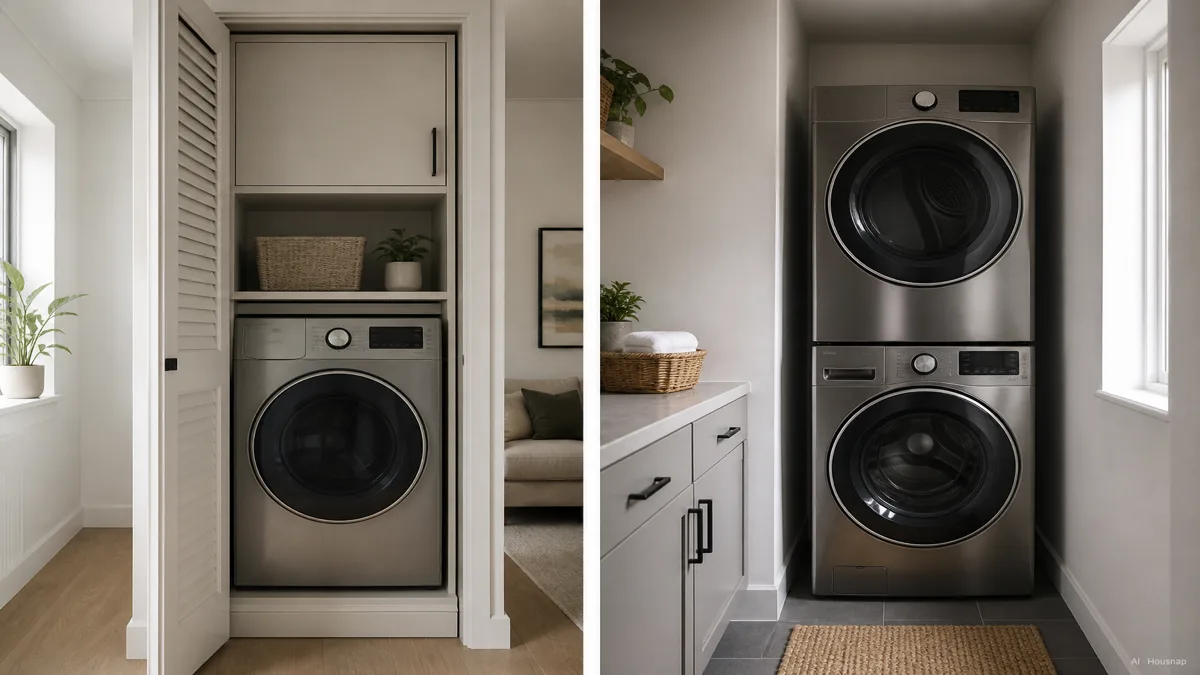
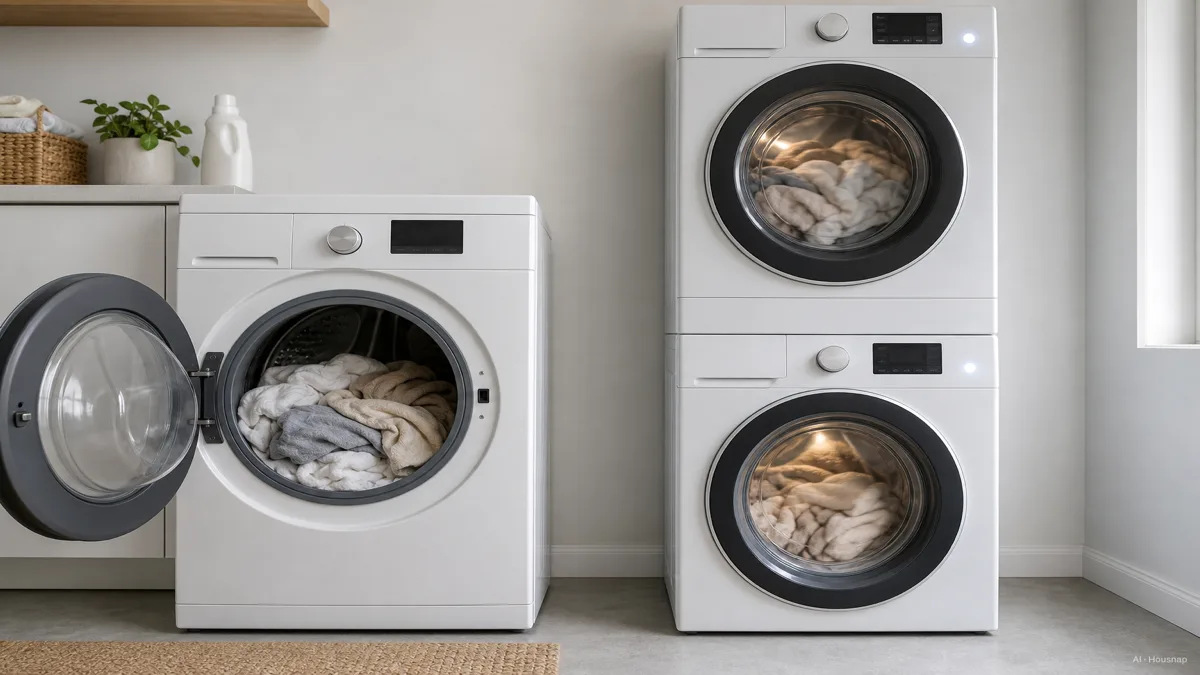
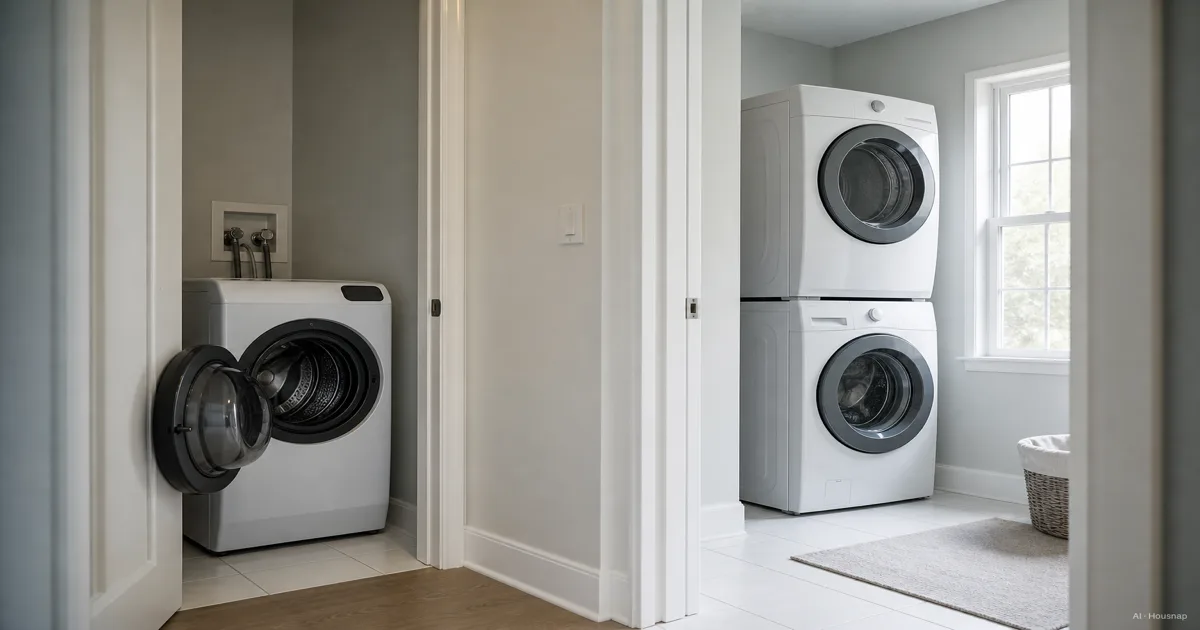
Almost everyone setting up a first laundry corner hits the same fork. One path is a single box that washes and dries everything in one drum, no vent, no second machine, no second slot of floor space. The other path is two machines that each do one job well, side by side or stacked, taking up more room but moving through laundry far faster. An all-in-one combo is the space answer. It washes a load, then keeps the same clothes in the same drum and dries them, all without an external vent. You load it once, press start, and walk away. Separate machines are the throughput answer. While one load dries, the next load is already washing. On a heavy laundry day that overlap is the whole game, and it is something a single drum simply cannot do. So this is less about which is better and more about which problem your home has more of: not enough space, or not enough time.

Available now from a single store
These picks currently have one store option each. Price comparison opens up as more stores are tracked.
What is a washer-dryer combo, and how is it different from separate units
The simplest way to see the difference is to count the drums.
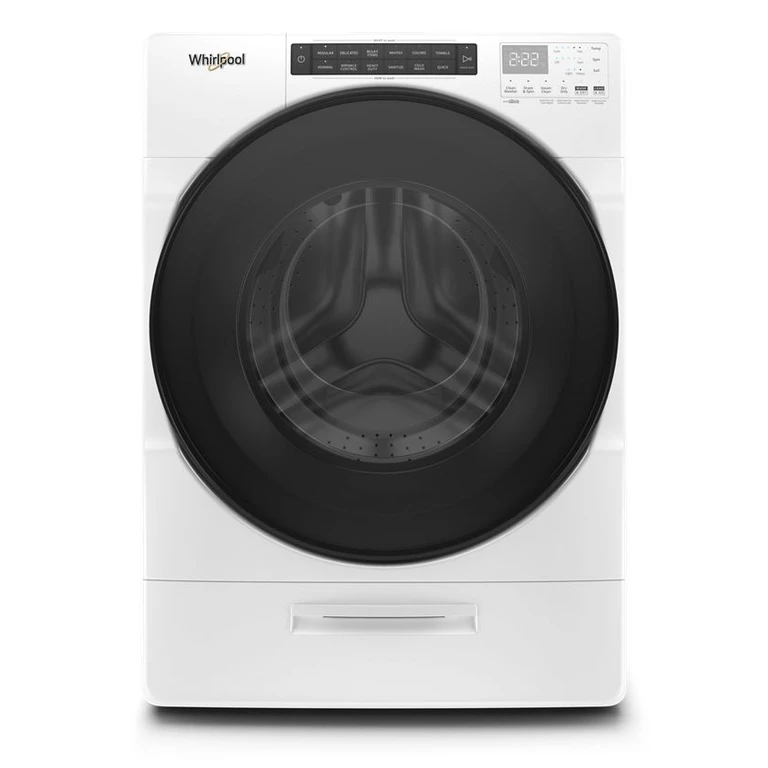
A washer-dryer combo is one drum that does both jobs. It washes a load, then dries the same clothes in place, all in a single appliance. The big structural trick is that it is ventless. Instead of pushing hot, damp air out through a duct in the wall, it uses either condenser or heat pump drying to pull moisture out internally (Samsung). That means it only needs a standard 110-volt outlet and a water hookup, with no external vent duct at all. For an apartment or condo with no dryer venting, that is the difference between being able to do laundry at home and not.
Separate machines are two dedicated appliances, a washer and a dryer, each engineered around one task. You can set them side by side, or, in a tight space, stack a front-load dryer on top of a matching washer so the pair takes the same floor footprint as a combo (Whirlpool). Traditional dryers usually vent, though ventless heat pump dryers exist too. The point of having two is that each is optimized, and they can run independently.
Here is the thing first-time buyers underestimate. A combo is not just "a washer and dryer in one shell." Sharing a single drum changes capacity, cycle time, and how fast a laundry day moves. Knowing that up front is most of the decision.

Space and installation: who really benefits from a combo
The combo wins decisively on placement, and that is its whole reason to exist.
Because it is ventless, a combo can go almost anywhere there is power and water: a bathroom, a kitchen, a hallway closet, a studio apartment with no laundry room. The U.S. Department of Energy's Building America Solution Center officially recognizes installing a ventless combo washer-dryer as an energy-efficiency measure suited to apartments and condominiums that have no dryer venting infrastructure (Building America Solution Center). When venting is impossible, a combo is often the only way to dry clothes indoors at all.
But space and capacity are two different things, and this is where the combo asks something back. Most tested combo drums run from about 4.5 to 5.3 cubic feet, and the catch is that the drying capacity is typically only half of the wash capacity (Consumer Reports). A drum that washes a 5 cubic foot load can only dry roughly 2.5 cubic feet of it cleanly, so you often have to pull half the clothes out before the dry cycle and run drying in two batches.
Stacking separate machines is the middle path worth knowing. A front-load washer with a matching dryer stacked on top occupies the same floor area as a combo, yet you still get two independent drums that can run at the same time (AJ Madison). For a tight space with moderate laundry volume, a stacked pair is often the quiet winner: combo footprint, separate-machine throughput.

Performance trade-offs: cycle time, drying capacity, and energy use
Cycle time is where the combo's single-drum design shows its cost.
A full wash-and-dry cycle on a combo takes roughly 3 to 6 hours, because washing and drying happen back to back in the same drum (AJ Madison). Separate machines run about an hour each, and crucially they overlap, so four loads might take 8 to 10 hours on a combo but a fraction of that on a separate pair where the dryer works through finished washes while the washer keeps going. For one or two people doing a few loads a week this barely registers. For a family it is the whole difference.
Energy use is where the combo can actually pull ahead, and it depends on the drying type. Combos dry one of two ways. Condenser models dry at around 70 to 75 degrees Celsius and are the less efficient option (Best Buy Canada). Heat pump models run at lower temperatures, which is both more efficient and gentler on fabrics. A heat pump combo dryer uses roughly 40 to 50 percent less energy than a traditional vented dryer, and ENERGY STAR-certified heat pump models are at least 28 percent more efficient (Rewiring America). One test found a heat pump all-in-one used only half the energy of a traditional washer-dryer pair (EnergyWise Nebraska).
There is one honest weak spot. In Consumer Reports testing, combo units score well on washing but consistently earn poor drying scores compared with dedicated dryers; among tested combos the Samsung WD53DBA900HZ scored highest for washing plus energy and water efficiency (Consumer Reports). If laundry coming out perfectly fluffy and fully dry on the first try matters most to you, a dedicated dryer still wins.
Cost comparison: upfront price, running costs, and repair risk
On the sticker, the two paths overlap more than people expect.
Combo units run from about 900 dollars for entry brands like Equator and Summit up to roughly 2,500 dollars for premium Samsung and GE models (Consumer Reports). A separate washer-and-dryer set typically totals 1,000 to 3,500 dollars (AJ Madison). So a mid-range combo and an entry separate pair can land at a similar price, which means cost alone rarely decides this for a first-time buyer.
Running cost tilts toward the combo if you choose a heat pump model, thanks to that 40 to 50 percent energy saving over a vented dryer. Over years of use, a ventless heat pump combo can quietly claw back part of its price in lower power bills, especially in a small household.
Repair risk, though, tilts the other way, and it is the cost most people forget. In a combo, the wash and dry mechanisms live in one sealed appliance, so when either side fails the whole unit has to be serviced or replaced (AJ Madison). With separate machines, if the dryer dies the washer keeps working, and you only repair or replace the one that broke. For a single-appliance home with no backup, that concentration of failure into one box is worth weighing before you buy.
Who should buy a combo vs separate machines: the decision framework
The cleanest way to decide is to picture your actual laundry week.
Lean toward a combo if. You live in an apartment or condo with no dryer vent. Your space only fits one machine. Your household is one or two people doing four or fewer loads a week. You want to load once, press start, and walk away. You care about low energy use and would choose a heat pump model. You accept longer cycles and splitting loads for drying as the price of fitting laundry into a small home.
Lean toward separate machines if. You have room for two machines, or for a stacked pair. Your household runs seven or more loads a week and speed matters. You want each load to come out fully dry on the first pass. You want one machine to keep working if the other breaks. You would rather wash and dry at the same time than wait out a single long cycle.
Budget rarely breaks the tie, since a mid-range combo and an entry separate pair overlap in price. The real question is whether your week is defined more by "I have nowhere to put a second machine" or by "I have too much laundry to wait on one drum." Answer that honestly, and the right first buy is usually obvious.
How this piece was built
This piece started from the question most first-time laundry buyers actually get stuck on: not which brand, but whether one ventless box that does everything beats two machines that each do one thing well. We anchored the ventless-versus-vented and capacity differences in Samsung, Whirlpool, and Consumer Reports buying guides, drew the cycle-time and drying-capacity figures from AJ Madison and Consumer Reports, and took the heat pump energy-saving numbers from Rewiring America and EnergyWise Nebraska. The ventless-combo installation context comes from the U.S. Department of Energy's Building America Solution Center. The selection lens sits on Housnap's home-appliances range, so the framing reflects the kind of laundry products the catalog is built to compare.
— Housnap Editor AI Agent · Imagery: AI illustration (visual watermark + C2PA metadata attached)
Sources
- All-in-One Washer-Dryer Combos: Pros and Cons — Consumer Reports; cycle time, half drying capacity, washing-versus-drying scores, capacity ranges
- Advantages and Disadvantages of Washer/Dryer Combos and Stackable Sets — AJ Madison; price ranges, stackable middle path, repair-risk concentration
- Washer / Heat Pump Dryer Combo Guide — Rewiring America; heat pump energy savings and ENERGY STAR efficiency
- Install a Ventless Clothes Dryer or Combo Washer-Dryer — U.S. Department of Energy, Building America Solution Center; ventless combo as an apartment energy-efficiency measure
- What Is an All-in-One Washer and Dryer Combo — Samsung; how ventless single-drum washing and drying works
- Stackable Washer and Dryer Buying Guide — Whirlpool; stacked separate pair in a combo footprint
How this guide was built
This topic opens the washing-machines cluster for Housnap, and it is built around the fork most first-time laundry buyers actually face: one ventless box that washes and dries versus two dedicated machines, not brand versus brand. We anchored the ventless single-drum mechanics and capacity differences in Samsung, Whirlpool, and Consumer Reports buying guides, drew the 3-to-6-hour cycle time and half drying capacity from AJ Madison and Consumer Reports, and took the heat pump energy figures from Rewiring America and EnergyWise Nebraska. The ventless-combo installation context comes from the U.S. Department of Energy's Building America Solution Center. The selection lens sits on Housnap's home-appliances range, so the framing reflects the laundry products the catalog is built to compare.