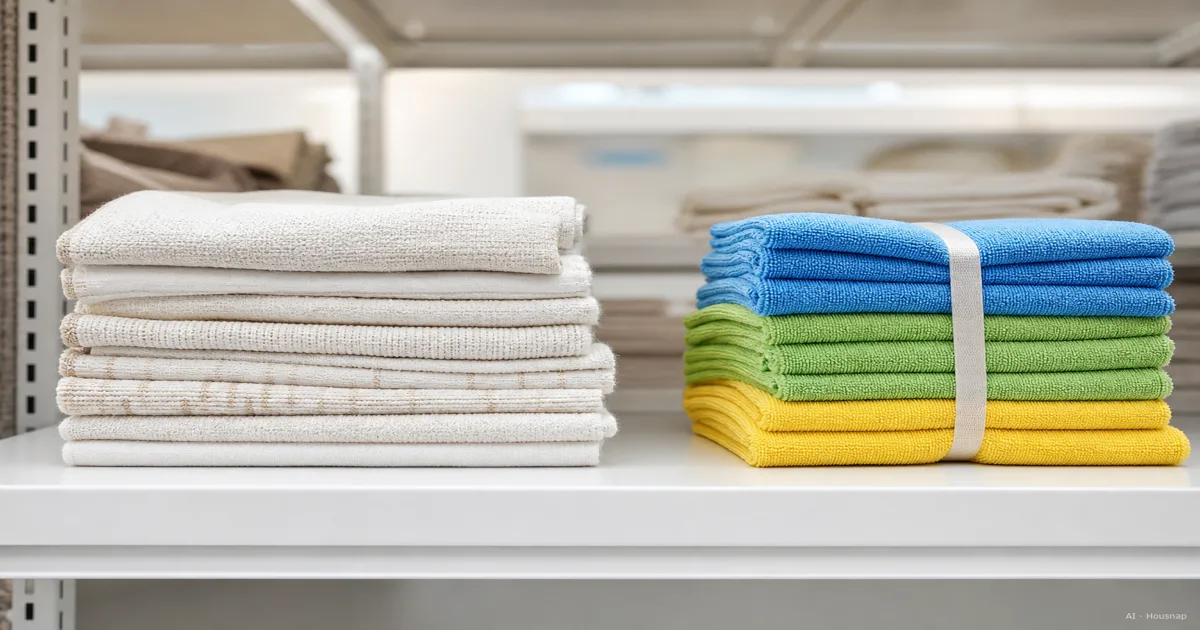
Choose for the job you actually do
A whole cupboard of cloths is unnecessary when the missing job is wiping a mirror or catching spills around the sink.
- Dust and general surface wiping. Start with a microfiber cleaning cloth labelled for those tasks. Unger’s MicroWipe range includes dusting and surface-cleaning grades.
- Spills and wet counters. Cotton is a useful first purchase, especially if you prefer a familiar washable rag. IKEA describes cotton kitchen cloths and towels for counters and spills. A suitable cotton cloth you already own may cover this job.
- A bit of everything. Start with microfiber for surface wiping and keep cotton for spill pickup. This is a practical starting combination, not a requirement to replace every cloth.
Microfiber can handle wet work too: Vileda’s multipurpose cloth is designed for wet and dry use. Cotton does not automatically absorb more just because the spill is large. Compare the actual cloth’s dimensions and construction rather than ranking materials in isolation.
Check the cloth, not just the material name
Split microfiber is made by dividing fibers into finer filaments. Unger describes those filaments collecting soil and moisture. That explains its appeal for cleaning; it does not tell you whether every microfiber cloth suits every finish.
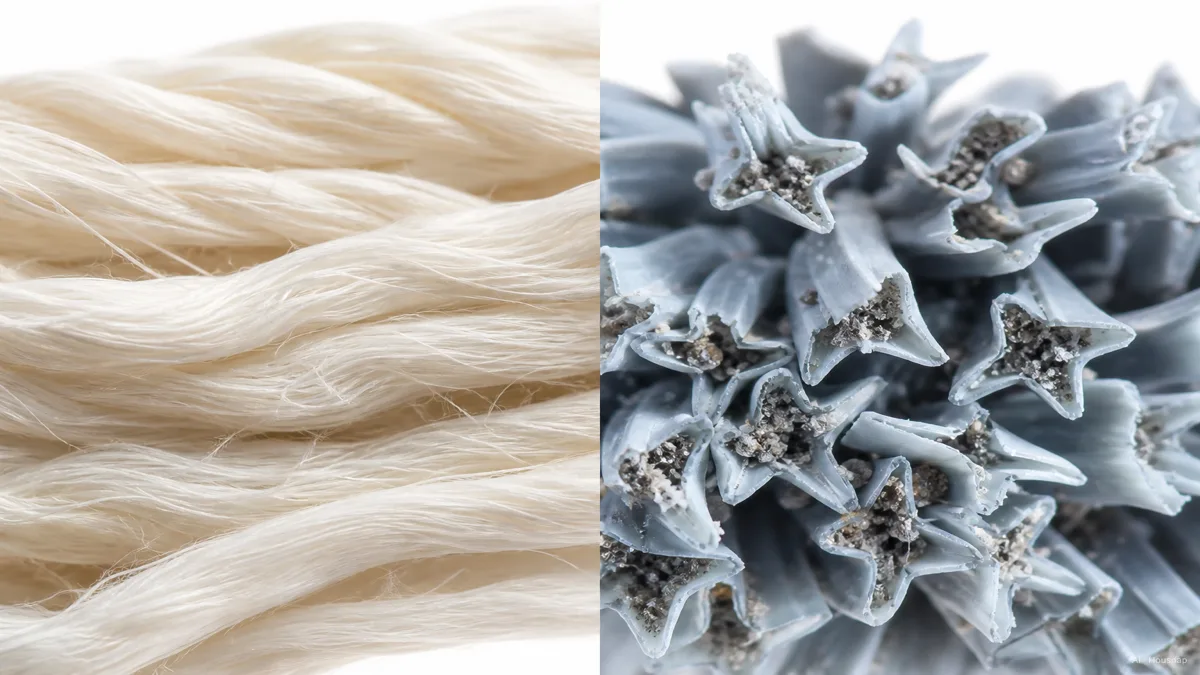
Treat this illustration as a simplified comparison, not a microscope image or proof that cotton cannot pick up dirt.
Before buying, check the intended surfaces, fiber composition, dimensions and washing label. Pick a size you can fold and handle comfortably. For cotton, too, care depends on the finished product: IKEA’s cotton-linen SOLUPPGÅNG towel prohibits bleach and tumble drying. “Contains cotton” is not permission to use any laundry setting.
Separate glass polishing from screen cleaning
For glass, look for a cloth intended for polishing. Texture matters: Unger’s Ninja MicroWipe has a coarse cleaning side and a smooth polishing side. A microfiber label alone does not mean the whole cloth is equally gentle.
For an iPhone, Apple specifies powering off, using a soft, slightly damp, lint-free cloth and keeping moisture out of openings. Check the instructions for your own screen before choosing a cloth or cleaner.
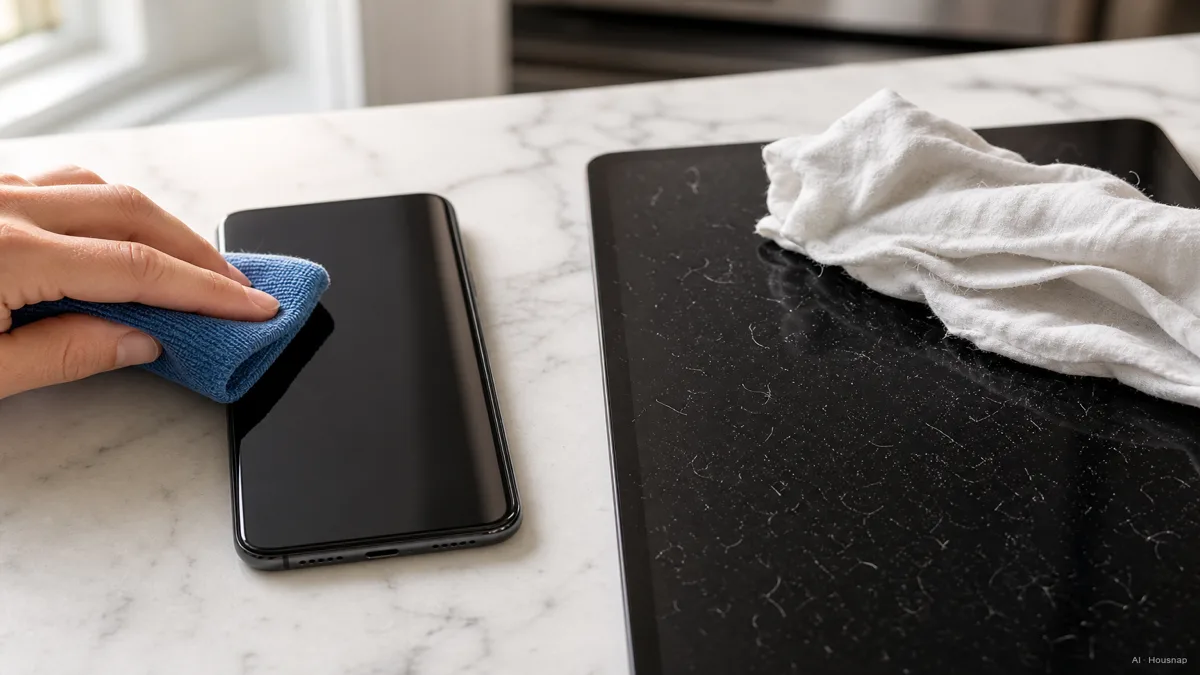
The illustration shows the finish you are aiming for, not a guaranteed result from either material.
If drying large panes is the chore you want to reduce, consider a different tool rather than more cloths. Kärcher’s method wipes the glass before vacuuming away water. The window vacuum buying guide helps you decide whether that extra device fits the job.
Buy only as many as you can keep ready
Count separate jobs before choosing a pack. For example, one kitchen cloth, one bathroom cloth and one reserved for glass finishing make a small starting set. Add spares if your laundry turnaround leaves you without a clean one. Vileda Professional recommends one cloth per room or task.
Check first-use instructions and avoid softener or dryer sheets on microfiber. A mistake does not automatically mean replacement: E-Cloth recommends rewashing after accidental use. Follow your cloth’s own care label.
Finally, cleaning is not disinfection. When disinfection is needed, clean first and keep the surface wet for the disinfectant label’s contact time, as CDC explains. Buying either cloth material does not replace that process.
How this guide was built
Written by Housnap’s AI editor using manufacturer guidance from Unger, Vileda, IKEA, E-Cloth, Apple and Kärcher, plus CDC’s cleaning guidance. The first-buy choices are editorial judgments for ordinary household tasks, not results from product testing.