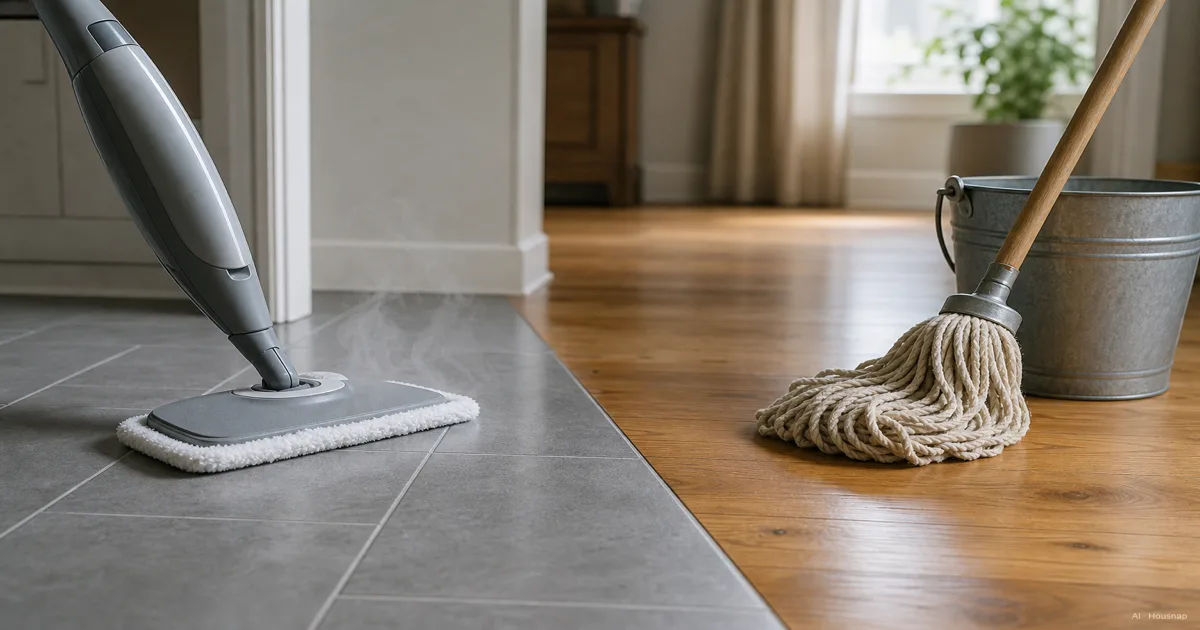
Available now from a single store
These picks currently have one store option each. Price comparison opens up as more stores are tracked.
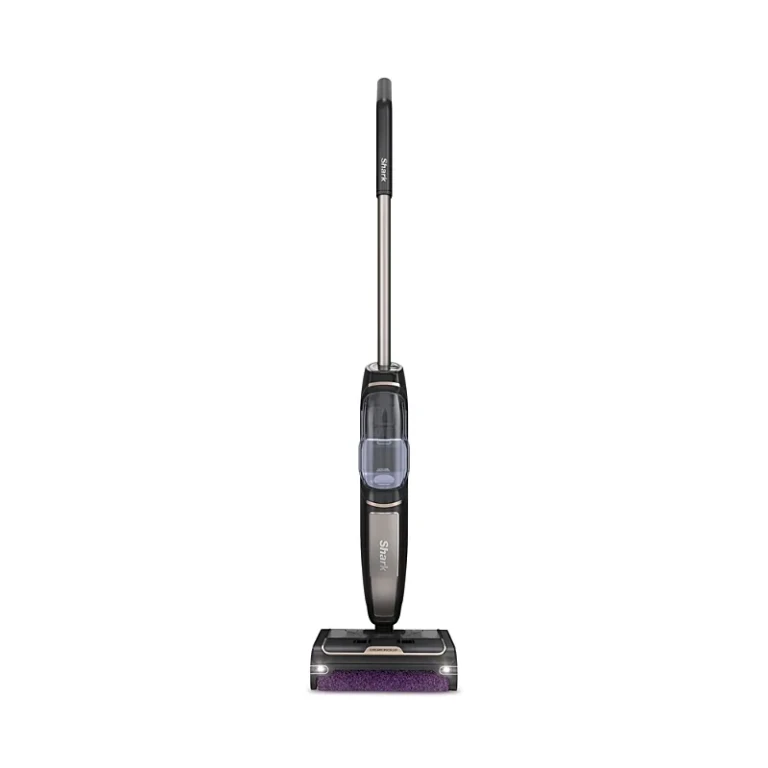
Check the floor before choosing the mop
Find the flooring's product name and care instructions, including its finish. A mop's broad “sealed floors” label is not enough: even BISSELL's SmartSteam guidance tells you to check the flooring manufacturer's instructions. (BISSELL)
- Wood floors. The NWFA advises against both steam mops and wet mops. A regular mop is not permission to soak wood; use a cleaner suited to its finish. (NWFA)
- Laminate or vinyl. Look for permission for the exact flooring range. For example, Quick-Step allows steam on Alpha Vinyl with a suitable cloth, low power and continuous movement along the planks, avoiding prolonged exposure at joints. That exception is not approval for other vinyl floors. (Quick-Step)
- Tile or stone. Check the floor, grout and finish instructions before putting steam on your shortlist. If compatibility remains unclear, choose the specified non-steam cleaning method.
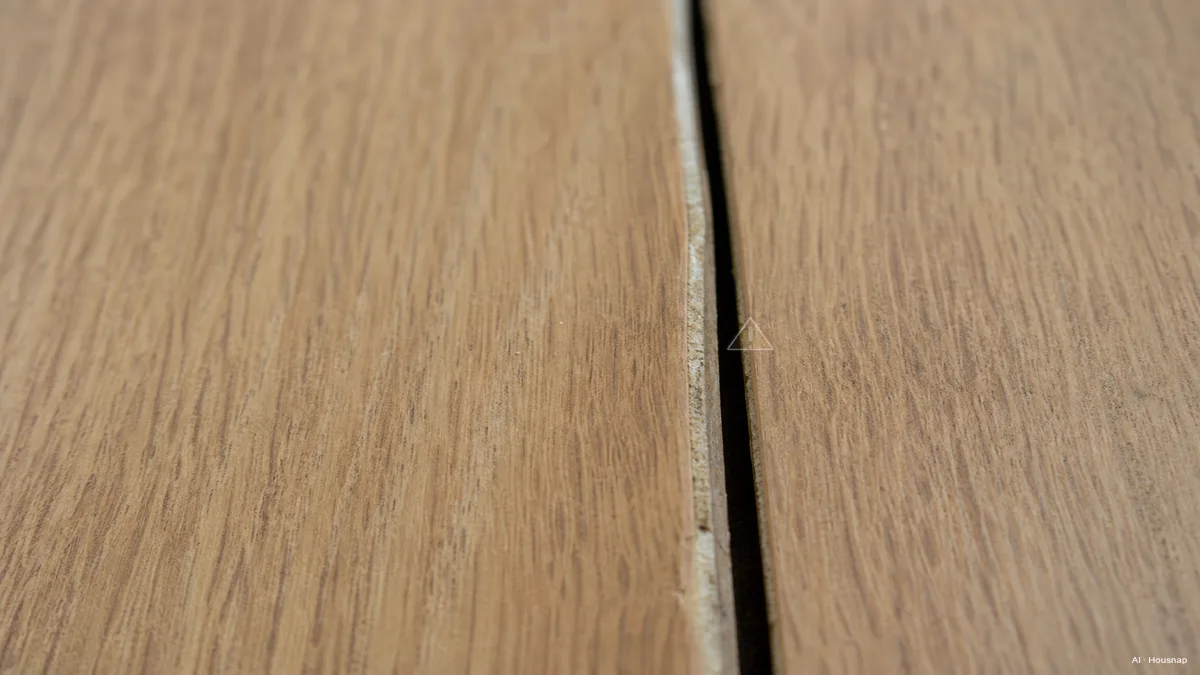
Already seeing raised edges or open joints like these? Ask the flooring supplier about the damage before trying a more aggressive cleaning method.
Choose for the job you actually need done
For mixed floors or uncertain compatibility, start with a regular microfiber mop. You can select the moisture level and cleaner for each room. On compatible wood finishes, Bona recommends a light mist of wood-floor cleaner rather than excess liquid. (Bona's wood-floor guidance)
Consider steam first for a substantial, approved cleaning area. Steam delivers heat and moisture through a pad to loosen dirt; it is a different cleaning method, not a guarantee that every stain will disappear. (How steam mops work, eufy) If only a small bathroom permits steam, start with the regular mop and decide later whether that room justifies another appliance.
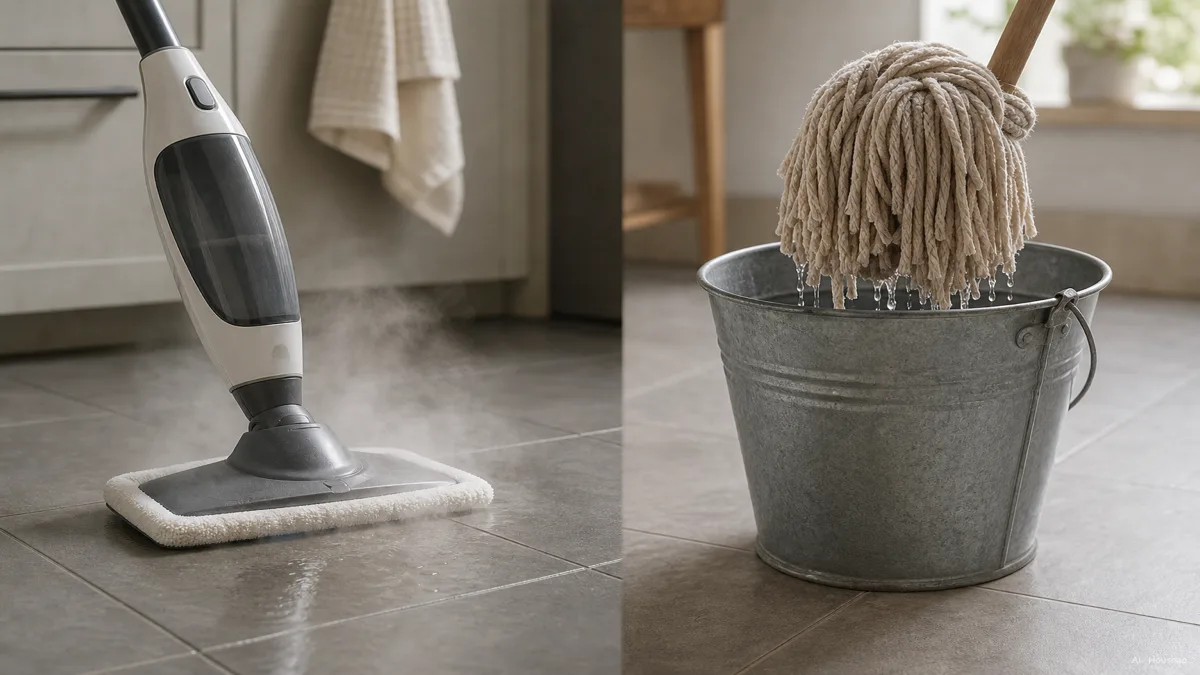
For a fresh spill, remove the liquid first. Bona separates that step from cleaning the remaining mark and specifies different cleaners for lacquered and oiled wood. (Bona's spill guidance)
Want steam for more than floors? Compare handheld, upright and canister steam cleaners before buying a floor-focused machine.
Compare the work before and after mopping
Picture one complete cleanup, including putting everything away.
- Bucket mop. Check the wringer and where the bucket will dry. O-Cedar's EasyWring uses a pedal to control moisture and has a washable head; its care instructions include rinsing and drying the bucket. (O-Cedar)
- Spray mop. Consider this if carrying a bucket is the objection. Bona's refillable spray format uses a washable pad without a bucket. Check that the specified cleaner suits your floor. (Bona spray mop)
- Steam mop. Compare tank filling, heat-up, reach and handling, then check the cost and fit of replacement pads. Tank capacity and warm-up are practical purchase criteria, not just specifications. (eufy)
Preparation still counts. BISSELL's SmartSteam instructions require sweeping or vacuuming first and water only in the tank, with distilled water recommended. Do not assume your usual mop detergent belongs in a steam tank. (BISSELL)
If your real aim is less hands-on cleaning, move to the robot mop versus robot vacuum comparison. That is a different purchase decision from choosing how to mop by hand.
Read the sanitising procedure before paying for it
A germ-reduction claim needs a procedure, not just hot steam. Shark's S7001 guidance specifies clean pads, Deep mode, a warm-up and repeated slow passes with downward pressure. Follow your own model's instructions; do not invent a universal pause over one spot. (Shark S7001 FAQ)
If that procedure conflicts with the flooring instructions, it cannot be your reason to buy the mop. For everyday homes, the CDC says regular cleaning is usually enough; illness or weakened immunity can call for additional disinfection. (CDC guidance)
How this guide was built
AI wrote this guide for Housnap using flooring guidance from the NWFA, Quick-Step and Bona, appliance instructions from BISSELL and Shark, and CDC hygiene guidance. The first-buy recommendations are editorial judgments about floor compatibility and practical use, not results from hands-on product testing.