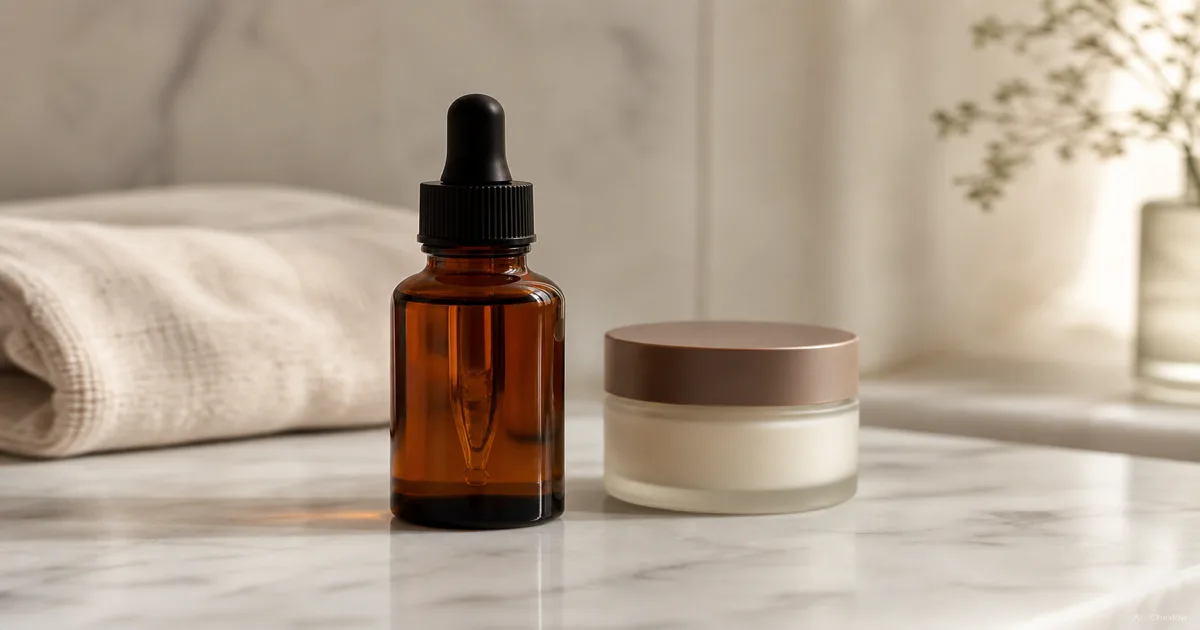
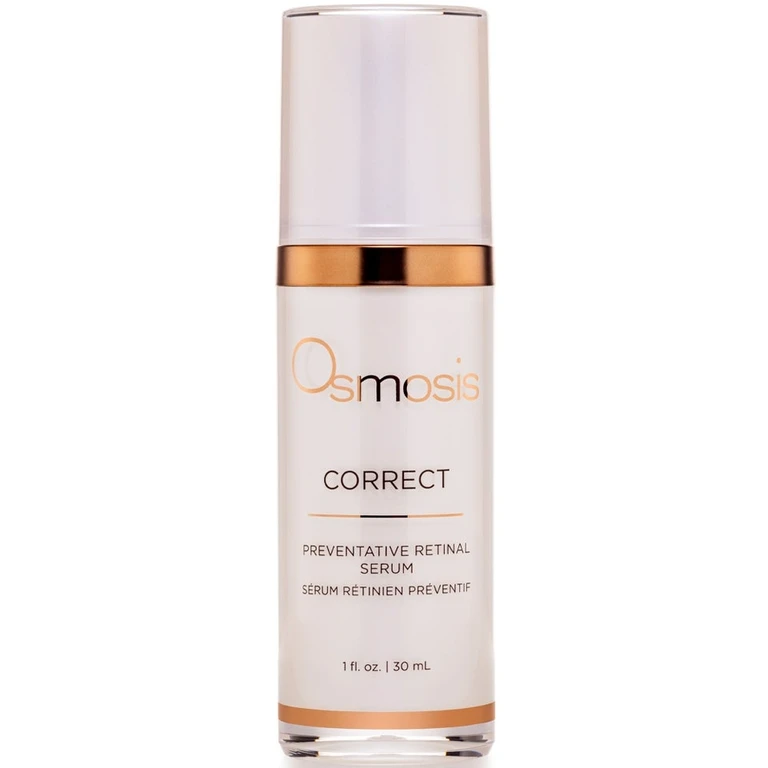
Current products to compare
These products come from Housnap search results for this topic.



Decide whether to buy now
Retinol belongs to the vitamin A family called retinoids and can help uneven tone and texture. If your skin is already inflamed, very dry or allergy-prone, ask a dermatologist before adding it. AAD guidance
Avoid retinoids during pregnancy. If you are trying to conceive or breastfeeding, check your skincare choices with your clinician before buying. Pregnancy skincare guidance
This guide covers cosmetic selection. Persistent or scarring acne deserves a treatment discussion, rather than a stronger cosmetic serum.
Choose the ingredient before the percentage
For a straightforward first purchase, start with a brand’s lowest-strength beginner retinol. Compare its texture and directions, not just the front-label number.
- Retinol cream or serum. Medik8 identifies its 0.2% night cream and 0.3% 3TR serum as beginner options. These are product-specific examples, not universal cutoffs. A cream can simplify the evening routine; an oil-like serum suits someone who prefers that texture. Medik8’s guide
- Retinal instead of retinol. Retinal, also called retinaldehyde, is another retinoid. Beginner formulations exist: Medik8 positions Crystal Retinal 3, at 0.03%, for new vitamin A users. Choose using that product’s guidance; do not convert its percentage into a retinol “equivalent.” Crystal Retinal guidance
- Bakuchiol instead of a retinoid. Consider it if you prefer to avoid retinoids, accepting more limited evidence. A small trial suggests benefit, but does not establish pregnancy safety or equivalence across products. Clinical trial
Choose one route. For each shortlisted bottle, write down the ingredient, starting instructions, texture and storage requirements. A missing percentage is a reason to ask the manufacturer for beginner guidance, not to assume weakness.
Have moisturizer and sunscreen ready
Use a moisturizer you already tolerate. If you need one, a lighter gel may suit oily skin, while a cream suits dry skin; fragrance can aggravate dry skin. AAD moisturizer advice The moisturizer selection guide helps narrow the texture.
For daytime, choose broad-spectrum, water-resistant SPF 30 or higher, alongside shade and protective clothing. AAD sun-protection advice If the labels are confusing, read how to choose sunscreen by protection and finish.
These support the routine; you do not need to replace products that already work for you.
Introduce one product, with gaps between uses
The routine below is for retinol or retinal; use bakuchiol according to its own label.
- Before starting. Follow the product’s patch-test instructions. The Ordinary suggests beginning retinoids a couple of times weekly and increasing as skin adjusts. Two separated evenings are a practical starting arrangement, not a deadline for reaching nightly use. Retinoid guide
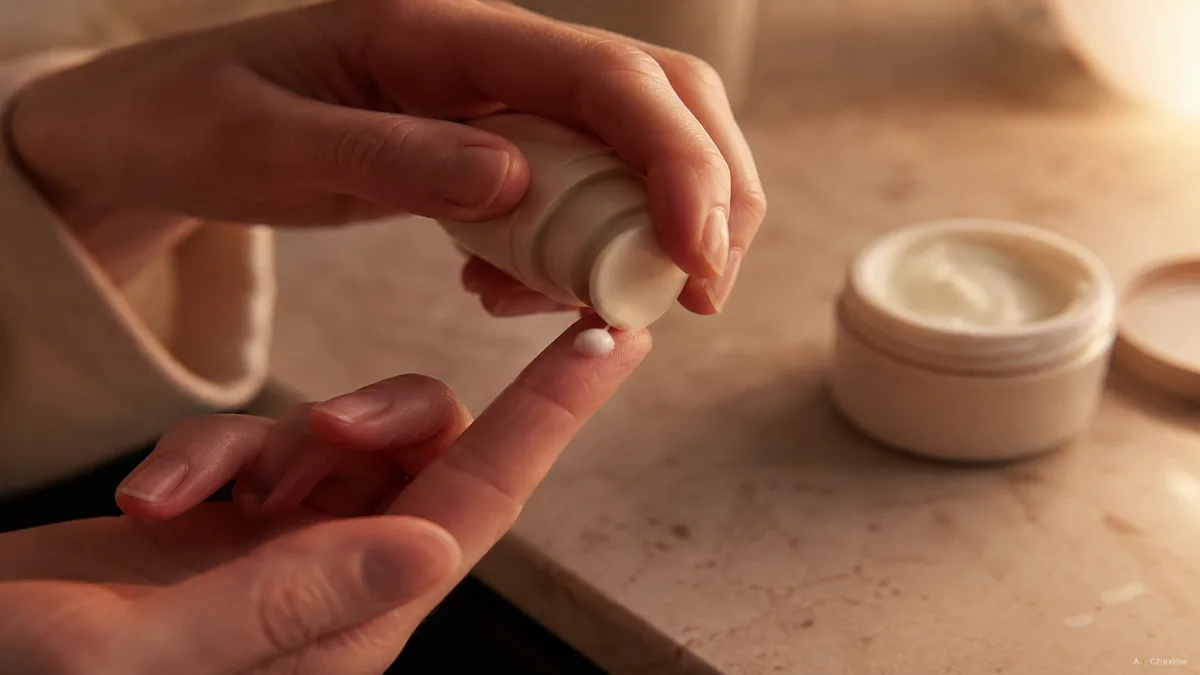
- On the evening. Cleanse gently and let skin dry. Finish with moisturizer after applying the product. Use the package’s amount: a pictured pea-sized dab is not a dose for every formulation. Application guidance
- Check the bottle. The Ordinary’s 0.2% in Squalane specifies a few drops, refrigeration after opening and use within three months. Those requirements belong to that formula. Product directions
- Keep other actives out of the experiment. Start without a new acid exfoliant on the same evening. The Ordinary recommends alternating its retinoids and direct acids after adjusting to one. Combination guidance If you later want exfoliation, first decide whether AHA or BHA addresses your concern.
Let symptoms decide whether to continue
- Comfortable skin, little visible change. Keep the routine steady. Visible improvement takes weeks, and wrinkles may take months; lack of an immediate result is not a reason to increase strength. Cleveland Clinic
- Stinging, burning or troublesome peeling. Stop the nonprescription product and seek advice if symptoms persist or are severe. Do not add an exfoliant to remove the flakes. AAD irritation guidance
- New or worsening spots. Early worsening can occur, sometimes called purging, but the week number alone cannot identify its cause. Do not assume “under six weeks” makes continued use safe; persistent, painful or scarring acne warrants a dermatologist’s assessment. Retinol guidance
Before a later purchase, review whether the current formula was comfortable, used as directed and given time. Switching ingredient, strength and frequency together makes the next decision harder.
How this guide was built
Housnap’s AI editor wrote this guide using AAD and Cleveland Clinic guidance, manufacturer instructions and a published bakuchiol trial. The editorial focus is a first cosmetic purchase and cautious introduction, not diagnosis or a product test.