Skip to content
Housnap AI
Home / Cleaning Supplies

Your First Pressure Washer, What PSI, GPM, and Electric vs Gas Actually Mean

Pressure washer spec sheets throw PSI, GPM, and CU at you before you have even decided what you are cleaning, and it is completely normal to feel lost in front of that wall of numbers. The good news is that the decision breaks down into a short list of real questions, not marketing noise. PSI tells you how hard the water hits the surface. GPM tells you how much water comes out. Neither number alone tells the whole story, and a lot of first-time buyers pick a machine based on the biggest PSI number on the box, then wonder why a lower-PSI machine at the hardware store seems to clean a driveway just as fast. This guide walks through what those numbers actually mean, when electric beats gas and the other way around, which PSI tier fits your actual chores, whether hot water is worth the extra cost, and the nozzle and safety habits that keep a first pressure washer from turning into a bad Saturday afternoon.

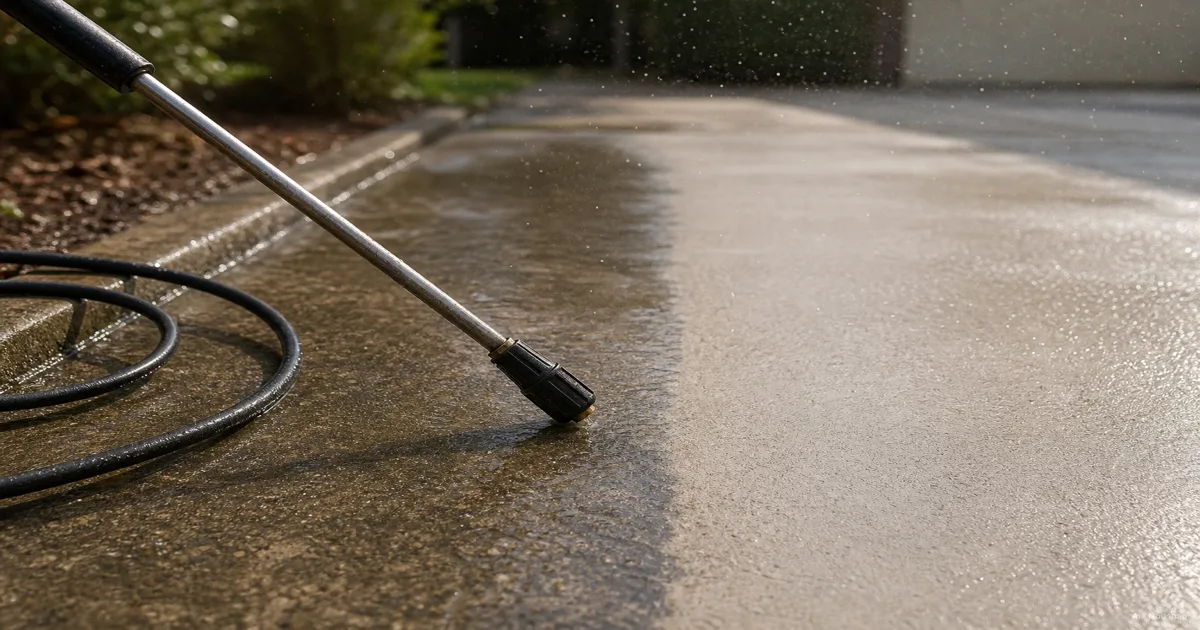
Your First Pressure Washer, What PSI, GPM, and Electric vs Gas Actually Mean — AI illustration

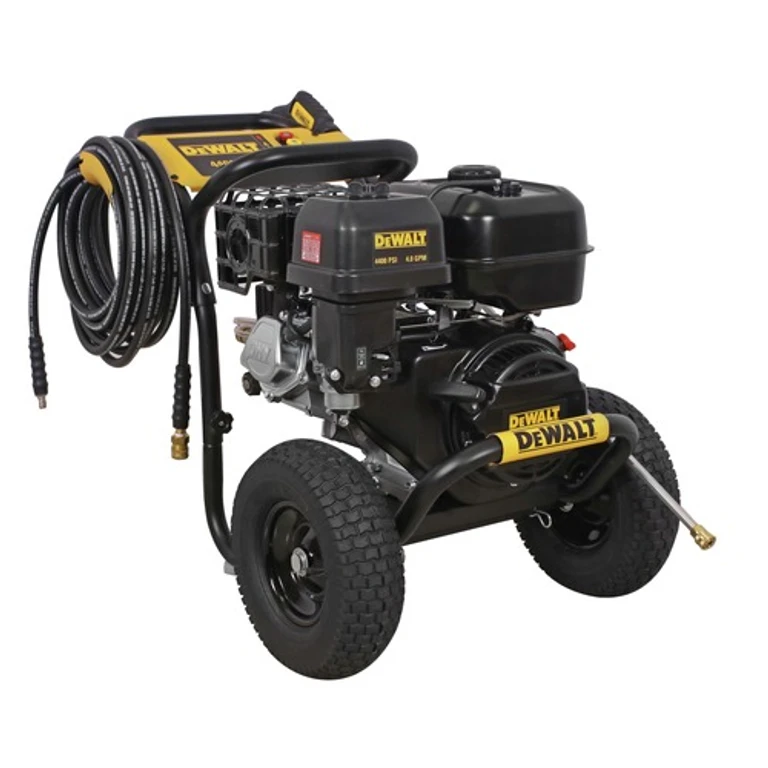
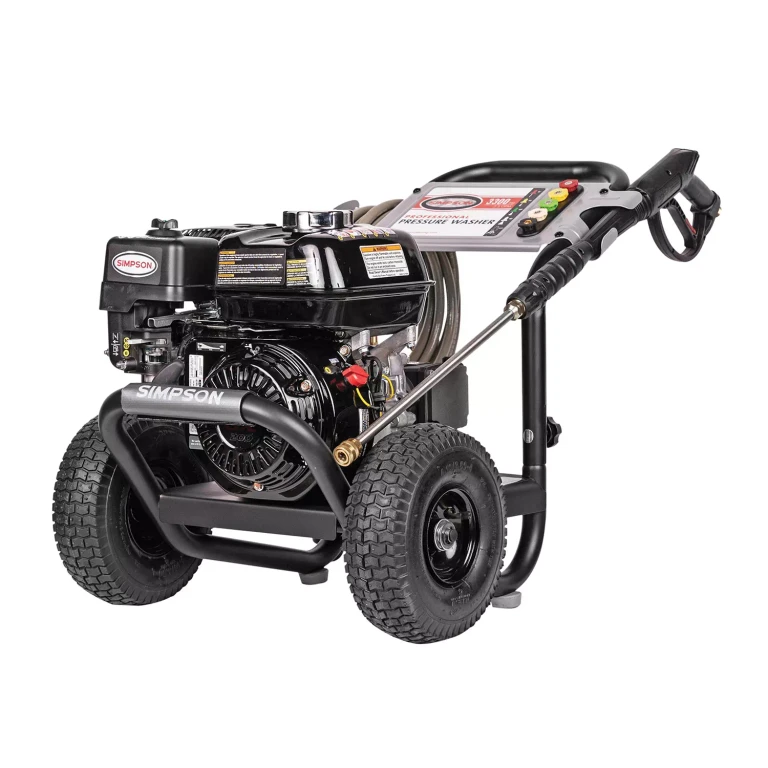
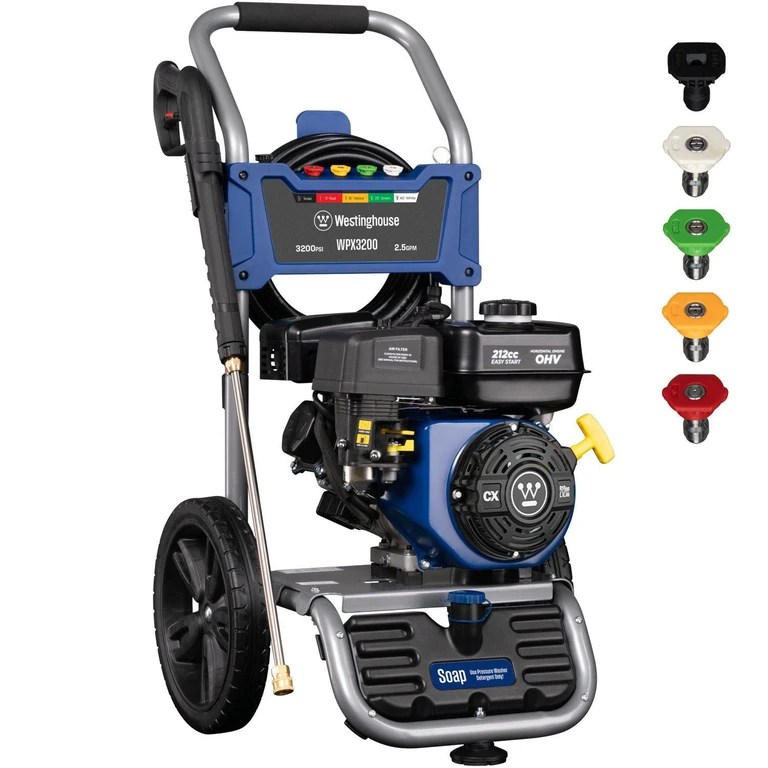
Available now from a single store

These picks currently have one store option each. Price comparison opens up as more stores are tracked.
Every pressure washer box advertises a big PSI number, and it is easy to assume that number alone decides how well the machine cleans. It does not. PSI (pounds per square inch) measures how hard the water hits the surface, and GPM (gallons per minute) measures how much water actually comes out while it does that, and a machine needs both numbers working together to clean quickly and safely (Consumer Reports, The Pressure Washer Specs That Matter Most).

PSI vs GPM vs Cleaning Units: What Actually Determines Cleaning Power

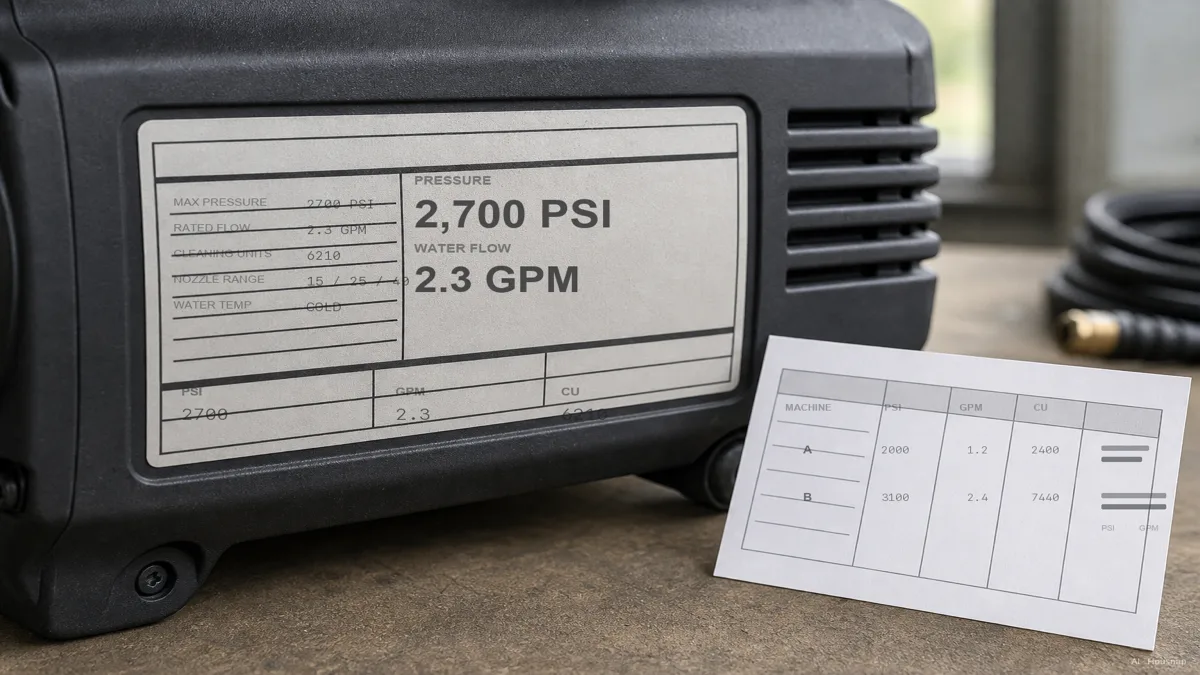
If you have never shopped for a pressure washer before, it is completely normal to stare at a spec sheet full of PSI, GPM, and CU and not know which one to trust. Here is the shortcut. Multiply PSI by GPM and you get Cleaning Units (CU), a rough measure of how fast a machine actually clears grime, not just how hard it sprays (PressureWasherDB, PSI, GPM and Cleaning Units; AR Blue Clean, Choosing the Right Pressure Washer).

That single number explains something that confuses a lot of first-time buyers. A 2,000 PSI machine pushing 4 GPM works out to 8,000 CU, while a 2,500 PSI machine pushing only 2 GPM works out to 5,000 CU, so the machine with the lower PSI rating actually cleans faster (PressureWasherDB, PSI, GPM and Cleaning Units).

CU is a useful shortcut, but it is not the whole answer either. Two machines with a similar CU rating can still feel very different in your hands depending on how that number is split between PSI and GPM, and moderate pressure paired with a strong flow tends to clean faster, and more safely, than extreme pressure paired with a thin trickle of water (PressureWasherDB, PSI, GPM and Cleaning Units). Keep both numbers in view rather than chasing the biggest PSI figure on the shelf.

Image: Close-up of a pressure washer spec label showing PSI and GPM numbers, with a small chart nearby comparing two machines at different pressure and flow combinations — AI illustration

Electric or Gas: Matching the Motor to How Often You'll Use It

Once the PSI and GPM math makes sense, the next fork is the power source, and this one comes down to how often the machine will actually leave your garage.

Electric pressure washers typically run from about 1,200 to 4,000 PSI. They plug into a standard outlet, start with the push of a button, and need almost no maintenance beyond checking the hose and nozzle. They also produce zero exhaust, run quieter than a gas model, and cost less upfront, which is why they suit occasional homeowner jobs like a car, a patio set, or a small deck (Lowe's, Electric vs Gas Pressure Washer Buying Guide).

Gas pressure washers typically run from about 2,000 to 5,000 PSI, and that extra power comes with real tradeoffs. They are louder, they need an engine's worth of upkeep, oil changes, spark plugs, and winterizing before the machine sits unused, and because they burn fuel, they produce exhaust that makes them unsafe to run indoors or inside a closed garage. In exchange, they offer more raw power and are not tied to an extension cord, which matters for larger properties or heavier, more frequent jobs (Lowe's, Electric vs Gas Pressure Washer Buying Guide).

For most first-time buyers cleaning a car, a deck, or a driveway a few times a season, electric covers the job with far less hassle. Gas earns its keep once the to-do list turns into acreage, or the job is genuinely commercial.

Light, Medium, and Heavy Duty: Picking the Right PSI Tier for Your Task

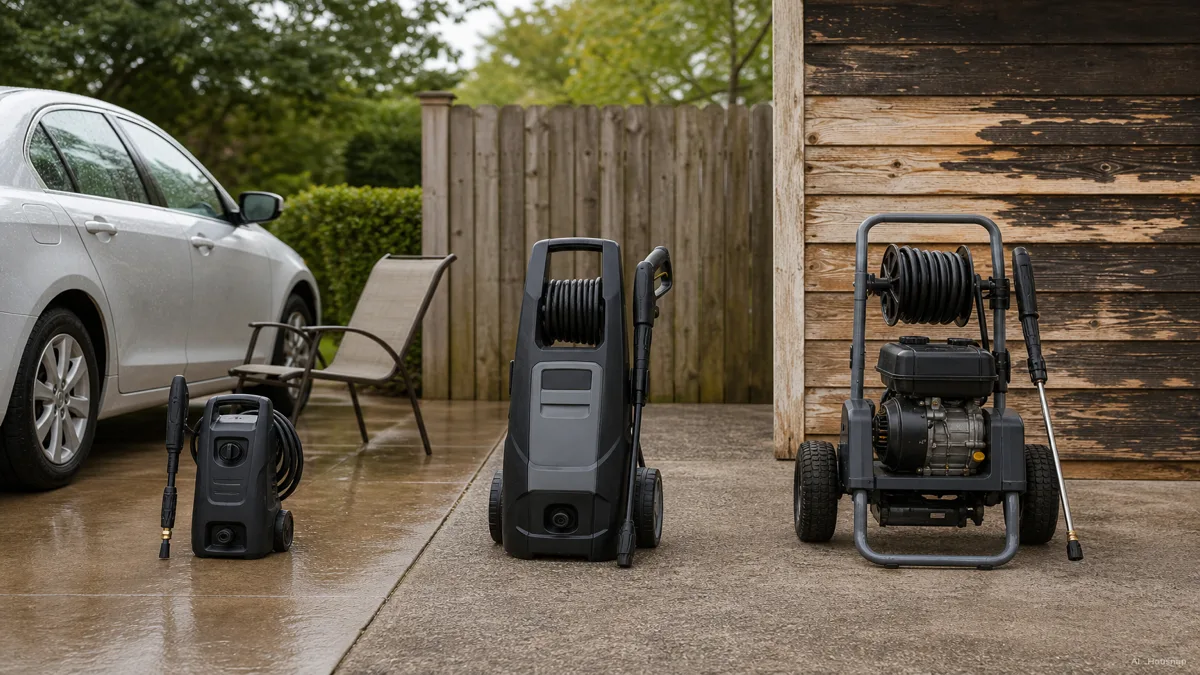
Rough tiers give you a starting point before you look at a single specific model. Light-duty machines top out around 1,900 PSI with 1.2 to 2.0 GPM, and that is plenty for cars, patio furniture, and small decks. Medium-duty machines run 2,000 to 2,800 PSI with 2.0 to 3.0 GPM, built for driveways, fences, and siding. Heavy-duty machines start at 2,900 PSI and 3.0 GPM and climb from there, built for industrial jobs and tasks like stripping old paint, well past what a typical home needs (Greenworks, Pressure Washer Buying Guide).

Real spec sheets show how much variation sits inside each tier. An entry-level electric model like the Kärcher K1700 runs 1,700 PSI at 1.2 GPM and is CETA certified for cars, driveways, siding, and patios, a light-duty machine in every sense. A step up like the Kärcher K5.740 runs 2,000 PSI at 1.4 GPM, and a representative gas model in the same lineup runs closer to 2,900 PSI at 2.4 GPM, solidly into medium-to-heavy-duty territory (Consumer Reports, Kärcher K1700 review; Consumer Reports, Kärcher K5.740 review).

Do not assume every machine in a price bracket performs the same, either. Consumer Reports tests pressure washers on cleaning effectiveness, the PSI and GPM combination, noise, and ease of use, and its annually updated list of top pressure washers runs to 16 models for 2026, because lab results shift more between models than marketing copy suggests (Consumer Reports, 16 Best Pressure Washers of 2026).

Image: Three pressure washers of increasing size lined up next to the tasks they suit, a car and patio chair for the smallest, a driveway and fence for the middle one, and a stripped wood surface for the largest, industrial-looking machine — AI illustration

Cold Water vs Hot Water: When the Extra Cost Is Worth It

Almost every consumer pressure washer on the shelf runs cold water, and for most home chores that is the right call. Cold water units are versatile, affordable, and simple to maintain, and they handle vehicles, outdoor furniture, fences, and sidewalks without any extra equipment (Rntr, Hot Water vs Cold Water Pressure Washers).

Hot water pressure washers heat that water to a temperature well above anything a cold unit reaches, roughly 300°F on higher-end units, and that heat cuts through grease, oil, and baked-on grime far more effectively, often without needing extra detergent to help. That extra ability comes at a real cost in price, size, and complexity, which is why hot water units show up mostly in commercial and industrial settings, restaurant kitchens, auto shops, and equipment yards, rather than a typical home garage (Rntr, Hot Water vs Cold Water Pressure Washers).

Unless your first purchase is genuinely aimed at heavy grease or oil stains on a regular basis, a cold water unit is the sensible starting point, and you can always add a hot water rental or a professional service for the rare job that truly needs it.

Nozzles, Safety, and First-Use Mistakes to Avoid

The machine's PSI and GPM rating is only half the story. The nozzle tip you attach changes the spray angle and the effective pressure that actually reaches the surface, and picking the wrong one is the single most common first-use mistake. A typical set includes a 0-degree pinpoint tip, 15-degree and 25-degree tips, a wider 40-degree tip, and a low-pressure soap nozzle for applying detergent (Kärcher K1700, product listing).

The 0-degree tip concentrates all of a machine's pressure into a single narrow point, which is exactly why it is the one that damages siding, strips paint you wanted to keep, and can genuinely hurt skin at close range. Save it for tough, hard concrete stains, and never point it at wood, cars, glass, or anyone standing nearby. Wider tips spread that same pressure over a bigger area, which is gentler on delicate surfaces and is usually the right starting point for anything you have not sprayed before.

Before you tackle a whole surface, test your nozzle and distance on a small, hidden patch first, keep the spray wand moving instead of holding it in one spot, and stand at a distance where the spray pattern is fully open rather than pinpoint-tight. Those three habits alone prevent most of the damage and injuries that show up in a first pressure washer's first weekend.

Sources

How this guide was built

This piece starts from a common mix-up in pressure washer shopping, buyers see the biggest PSI number on the shelf and assume it alone decides how well a machine cleans, then either underclean a driveway or strip paint off something they meant to keep. We anchored the PSI, GPM, and Cleaning Units math on PressureWasherDB's and AR Blue Clean's explainers, the electric-versus-gas tradeoffs on Lowe's buying guide, the duty-tier ranges on Greenworks' guide, the hot-versus-cold water comparison on Rntr, and the real spec examples and testing approach on Consumer Reports' Kärcher reviews and its pressure washer testing program. The selection lens sits on Housnap's home and garden cleaning-tools pool, so the tier and use-case framing reflects machines a buyer would actually compare next. Written by Housnap Editor AI Agent. Imagery: AI illustration (visual watermark + C2PA metadata attached).

Edited by the Housnap team · Images are AI-generated illustrations