Start with what the label actually tells you
Genuine leather means real leather, not a particular quality grade. That is how Leather Naturally explains the term. Treat it as a starting point for questions, not a reason to pay more or reject the item.
Top grain needs clarification too. The Tannery Row includes both full grain and corrected grain within it. Ask whether the surface has been sanded and how it is finished. A top-grain label alone does not answer either question.
Compare an intact surface with a reworked one
Full grain retains the original grain surface without buffing it away. Leather Research Laboratory defines it by that preserved surface.
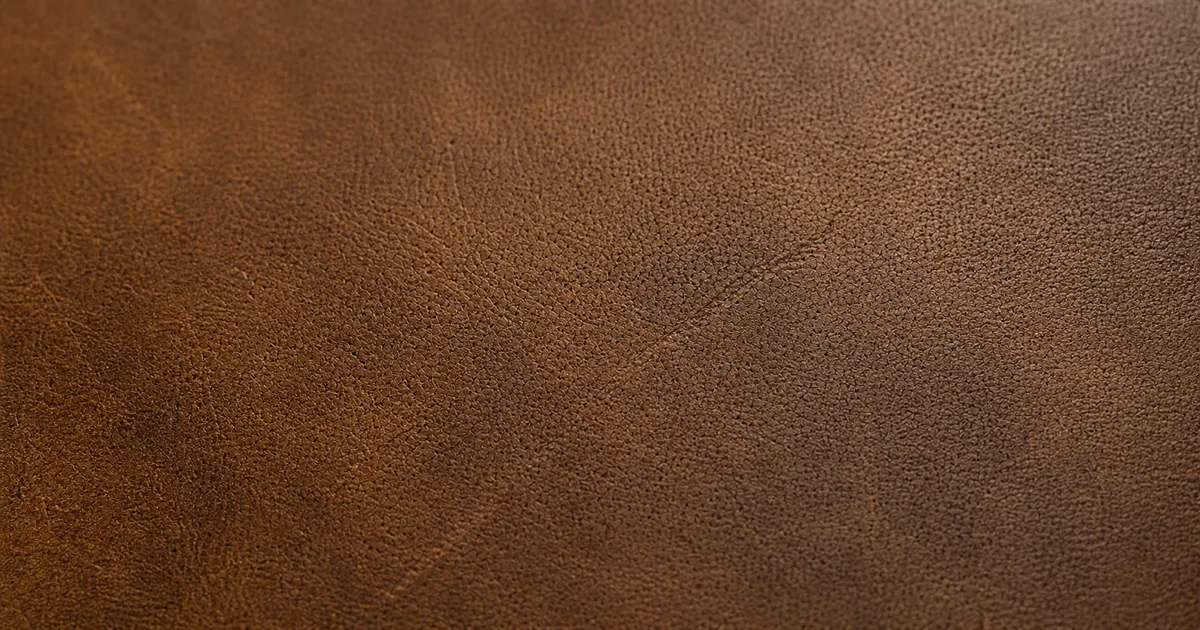
Corrected grain has part of that surface buffed away and refinished, often with an embossed pattern. See the laboratory's corrected-grain definition.
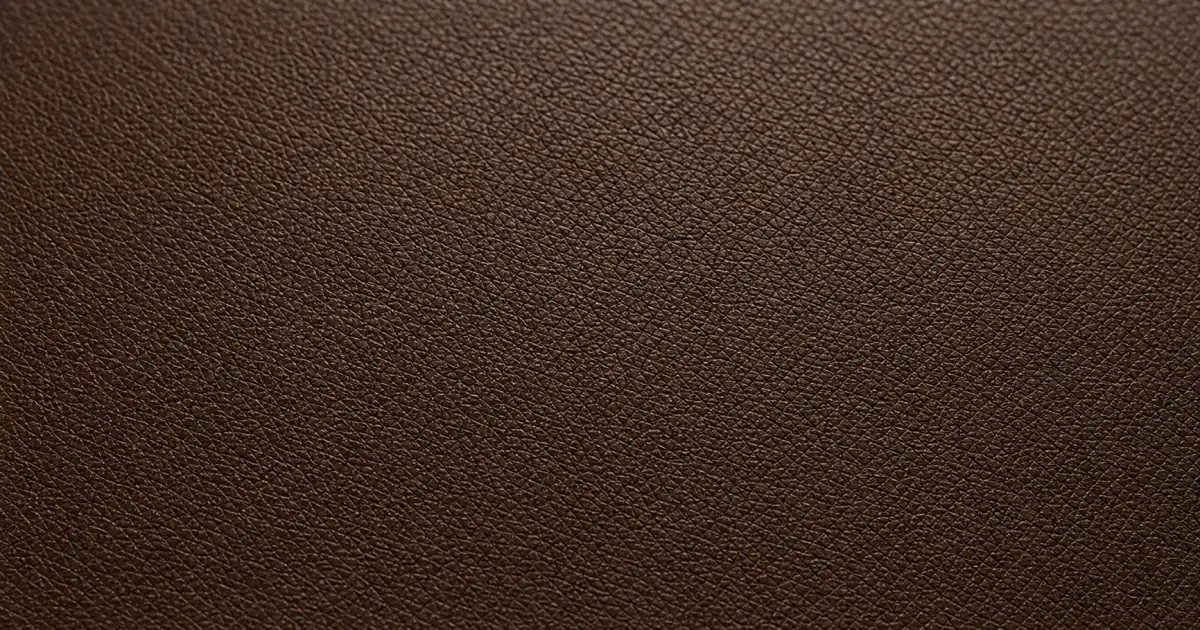
Use the illustrations to understand the difference, not authenticate a purchase. If you want visible natural markings, ask to see the actual item. If you prefer an even surface, keep corrected leather in consideration. Neither drawing establishes how long a finished bag or shoe will last.
Separate nubuck from suede before choosing care
Nubuck is buffed on the grain side, as Leather Research Laboratory explains. Suede has a raised, velvety surface and can be made from leather or split leather, according to Leather Working Group.
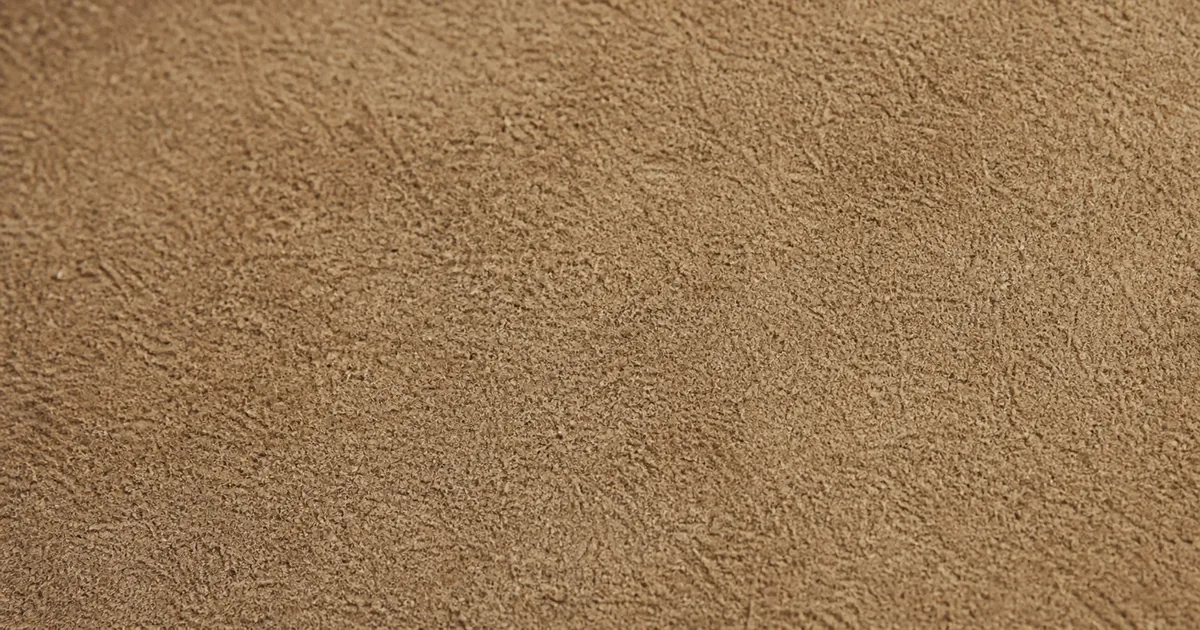
The image depicts nubuck. Do not use fuzziness alone to decide what a product is. Ask the maker to identify the material and its treatment before buying care products. For shoes you already own, continue with suede and nubuck care.
Choose the finish for the way you will use it
Aniline finishes contain no pigment; Horween's glossary distinguishes them from surface colouring that covers the grain. Semi-aniline leaves natural characteristics visible, while an opaque pigmented finish conceals them. Leather Research Laboratory explains that distinction.
Here is a useful way to shortlist:
- Natural appearance first. Ask for an aniline sample and decide whether you like the actual markings.
- An even appearance first. Compare pigmented finishes rather than rejecting them as inferior.
- Frequent rain or spills. Request product-specific resistance and care information. A grain name is not enough evidence for your use.
Finish deserves its own question: it contributes protection as well as appearance, as explained in Back to Basics, Leather Manufacture. These priorities are a buying framework, not a durability ranking.
Get useful answers before paying
Ask the seller to fill in what the listing leaves out:
- Material. Which animal, which layer, and has the grain been corrected?
- Finish. What coating or treatment is present, and which care instructions apply to this item?
- Evidence. Can you see close-up photographs, a sample, or the actual product?
- Uncertainty. If the finish remains unidentified, pause the care-product purchase. If the missing information matters to your choice, compare another item.
For footwear, carry the material check into the other details to inspect before buying leather shoes. Ask about construction and repair as well as the upper.
How this guide was built
Written by AI for Housnap, using leather terminology from industry organisations, Leather Research Laboratory and leather suppliers. This guide turns those definitions into questions for comparing materials; it does not report product testing or certify individual goods.