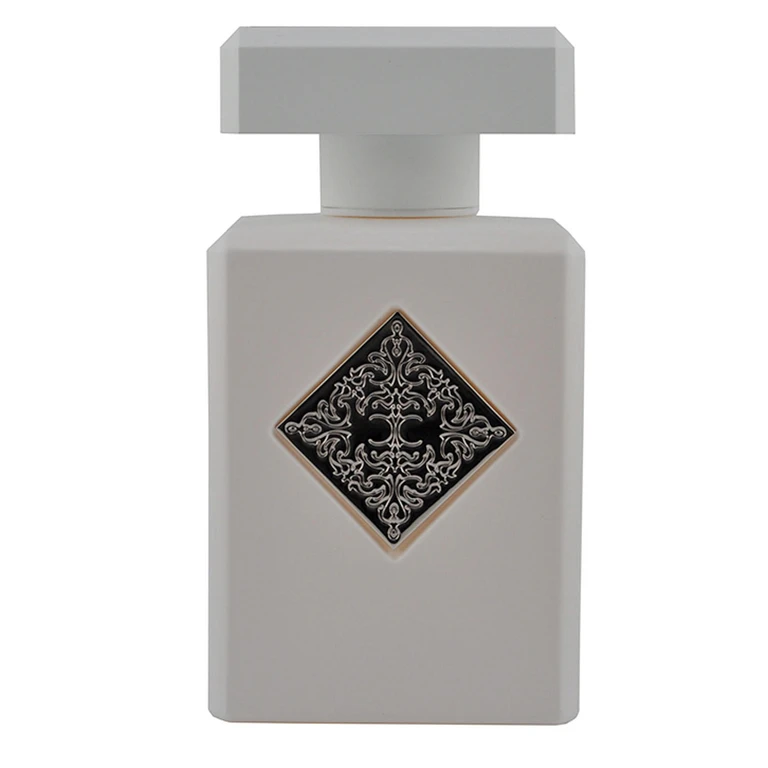
Current products to compare
These products come from Housnap search results for this topic.



Decide what you need the fragrance to do
Before comparing bottles, name the problem: does the scent disappear too soon, reach too far, or change into something you dislike? Those call for different choices.
Longevity means how long the scent remains detectable; projection is how far it reaches; sillage is the trail you leave while moving. They are separate measures, so a long-lasting fragrance can still be discreet. WhatScent explains the distinction.
Use these as buying conditions, not promises attached to the letters:
- Keep EDT in contention if you prefer its scent and it lasts through your intended outing. You do not need to upgrade just to move up a concentration.
- Compare EDP next if your preferred EDT fades before you want it to. Keep it only if you also like the later scent and its reach.
- Consider Parfum or Extrait if that specific version gives you a finish or wear time you value. Do not choose it on the assumption that it will be quieter.
For a shared desk or a crowded dinner, make comfortable reach a requirement. For a long day without reapplying, make wear time a requirement. The same bottle need not win both comparisons.
Read the label, then compare the actual scent
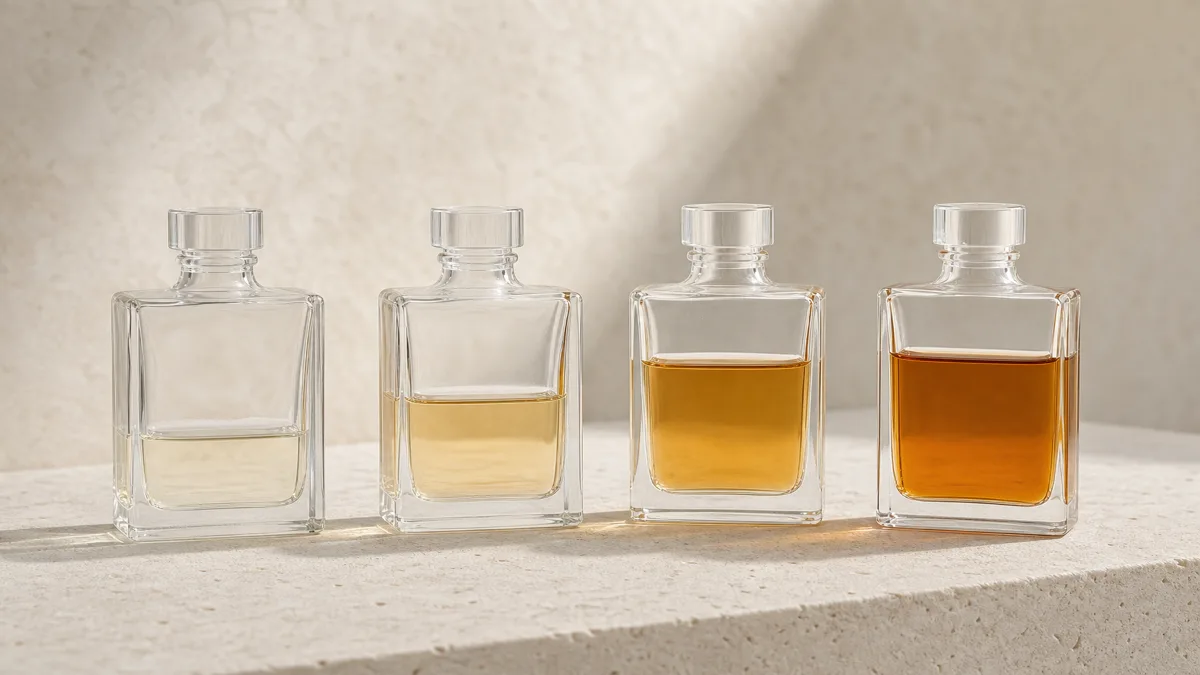
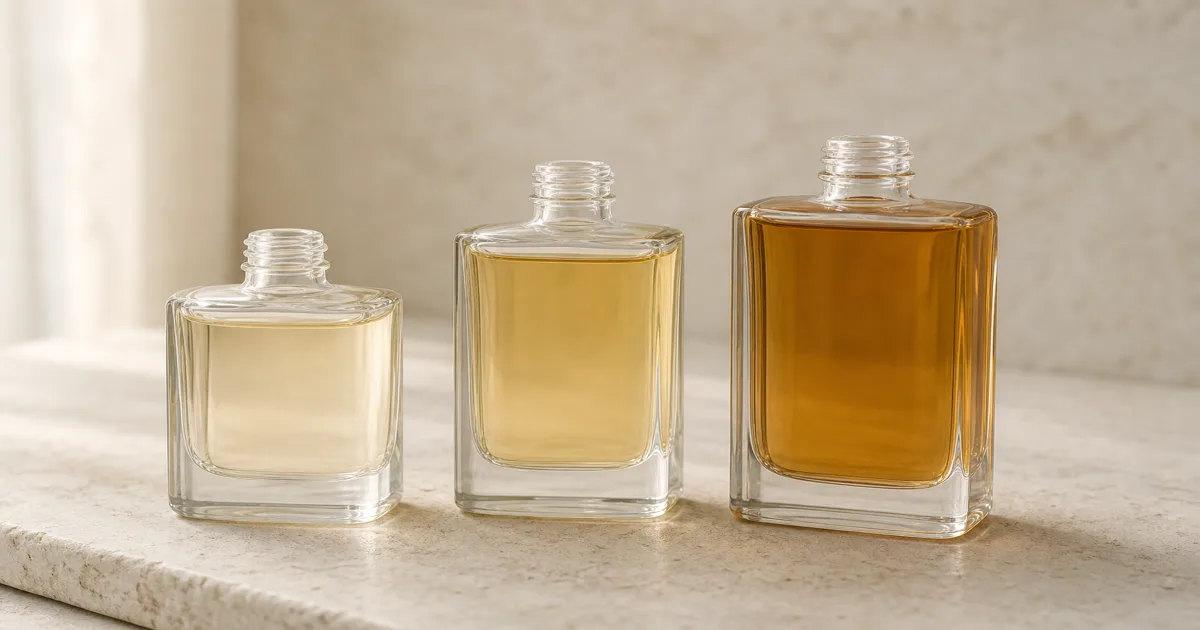
EDT means Eau de Toilette; EDP means Eau de Parfum. Parfum and Extrait sit toward the more concentrated end, while Eau de Cologne sits toward the lighter end. These are variable concentration categories, not a timetable. The Perfume Society's guide explains the variation. Treat the bottle illustration as a comparison scene, not a colour chart for identifying concentration.
Check each version's scent description. CHANEL describes CHANCE EDT through pink pepper, jasmine and amber patchouli; its EDP description also highlights white musk and vanilla. These are descriptions of the compositions, not complete ingredient inventories.
Diptyque likewise presents EDT and EDP as different interpretations, describing its EDP as having a more intense, longer-lasting trail. That is useful brand guidance, not a universal hours-per-label rule.
If the scent itself is the sticking point, compare citrus, floral and woody fragrance families before paying for a stronger version.
Give the finalists a normal day on skin

Use an in-store tester or request a sample of each exact version. A discovery set is useful only if its contents answer your comparison; several different EDPs will not compare one fragrance's EDT with its Parfum. Diptyque describes discovery sets as a way to explore different fragrances.
Try this simple comparison:
- Before applying: note the full name, concentration, application site and amount. Follow that product's directions.
- During the day: try one finalist at a time on comparable days. Check after it settles, around lunch and at the end of the period you need it for.
- At each check: record whether you still like the scent, whether you can detect it close to skin and whether its reach feels appropriate.
- Before adding more: ask someone nearby whether they can still smell it. Your nose can become accustomed to the fragrance even while others notice it, as The Perfume Society explains.
Skin, notes and weather affect wear, so include the conditions in your notes. Test a summer purchase on a representative warm day where possible; do not assign EDT to summer or Parfum to winter without trying that bottle.
Pay for the difference you actually want
Choose the least expensive finalist that meets your scent, reach and duration requirements. If Parfum gives you a noticeably preferable finish, that can justify the premium even when extra hours are not the main benefit. If you prefer the EDT, longer wear alone is a poor reason to buy an EDP you enjoy less.
Compare the exact concentration, bottle volume and total price. Price divided by millilitres gives a unit price, but it does not reveal cost per wearing without knowing how much you use. Do not assume a concentrated bottle will need half as many sprays.
If none of the finalists works, change the fragrance rather than repeatedly buying a higher concentration. If you are also considering a roll-on instead of a spray, the next decision is perfume oil versus alcohol-based perfume.
Sources
How this guide was built
AI wrote this guide for Housnap using CHANEL and Diptyque product information, The Perfume Society's explanations and WhatScent's performance terminology. The comparison checklist is editorial guidance for choosing a concentration, not a report of product testing or a guarantee of wear time.