Your First Cat Tree, How to Match Height, Material, and Stability to Your Cat
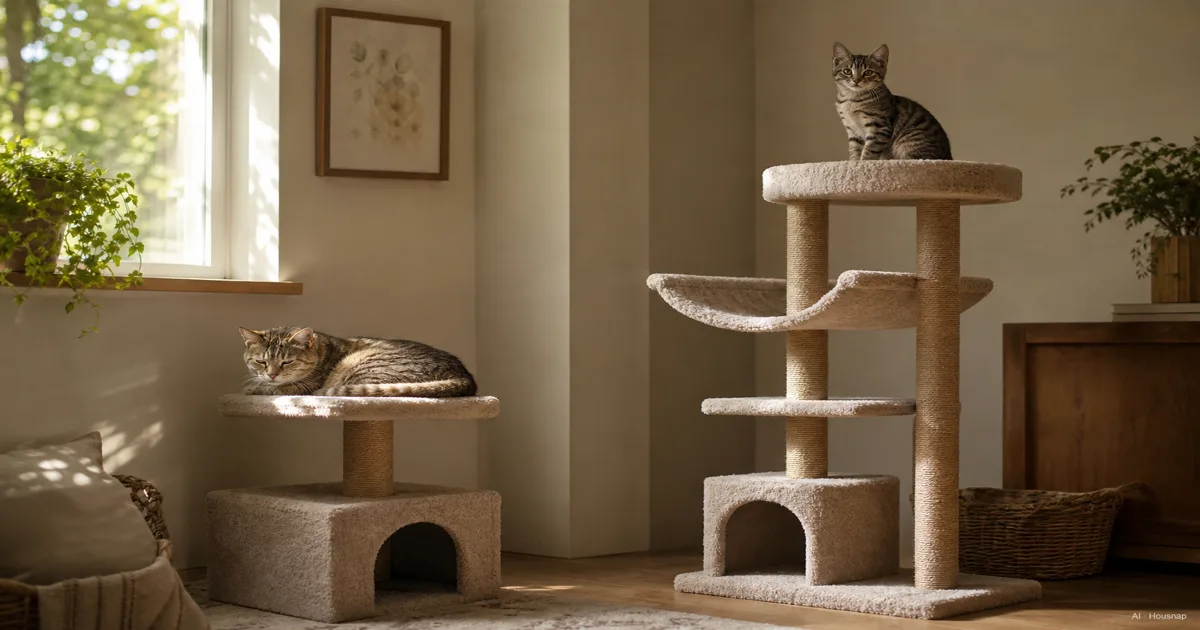
You decide your cat needs a tree, maybe the couch arm already looks like it lost a fight, and you land on a listing page that does not make the choice any easier. The photos all look similar, carpeted platforms, a rope-wrapped post or two, a fuzzy hideaway near the top, and it is easy to feel stuck picking between them. What almost none of them show you is whether your specific cat will actually use it. Here is the short version. A cat tree only earns its shelf space if its height and scratching surface match how your cat already behaves, and it only stays safe if its base and weight rating match your cat's size. Everything else, color, brand, how many platforms it has, matters far less.
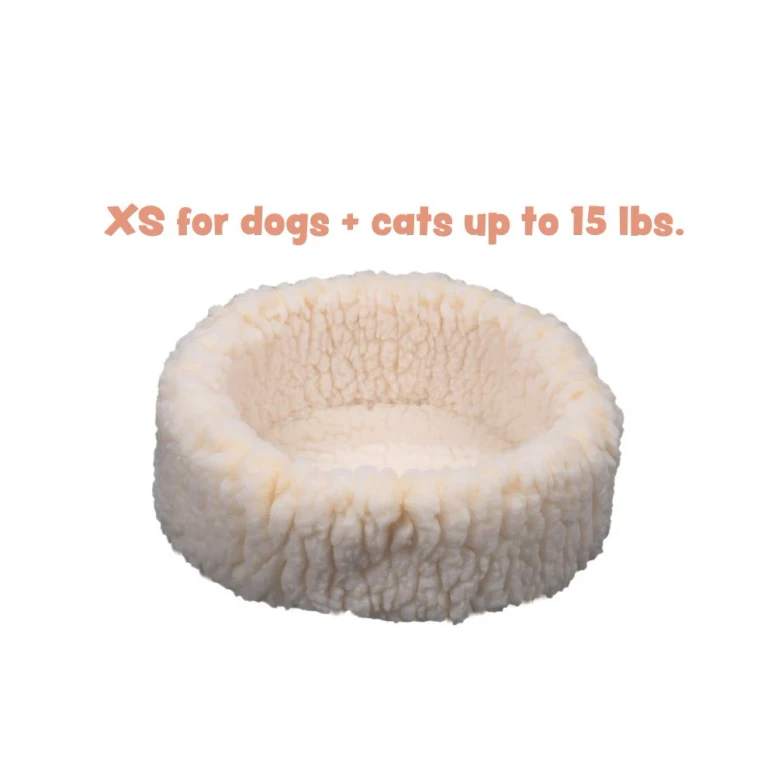
Available now from a single store
These picks currently have one store option each. Price comparison opens up as more stores are tracked.


Almost every cat tree looks the same in a listing photo, carpeted platforms, a rope-wrapped post or two, a fuzzy hideaway near the top. Scroll through twenty of them and the differences that actually decide whether your cat climbs it or ignores it are buried in the fine print, if they are mentioned at all.
Here is the short version. A cat tree only gets used if its height and scratching surface match how your specific cat already behaves, and it only stays safe if its base and weight rating match your cat's size. Everything else, color, brand, how many platforms it has, matters far less than those two things.
What Kind of Cat Tree Does Your Cat Actually Need?
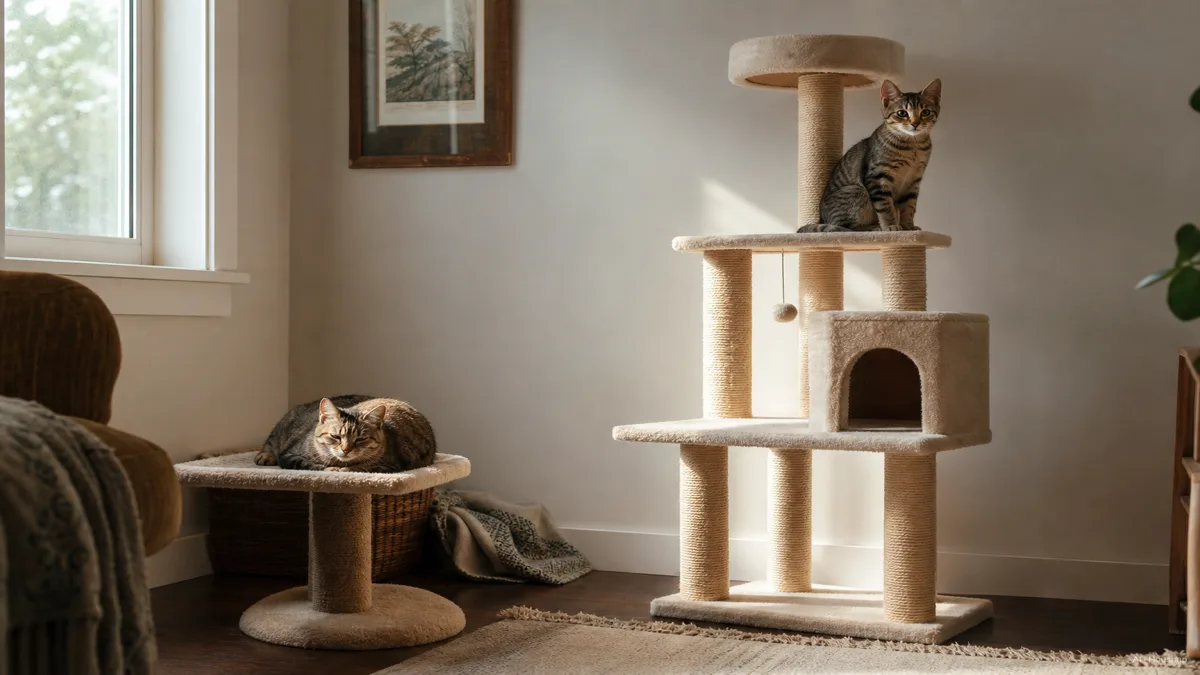
Start with the cat, not the shelf. A shy cat, or an older cat with stiffer joints, tends to actually use a tree it can reach without much effort, so a compact 24 to 36 inch tower with low, wide platforms usually gets climbed on daily. A confident climber wants the opposite, height to survey the room from, several levels to move between, and enough structure to make jumping worth doing. For that cat, a 48 to 72 inch multi-level tower is closer to what gets used instead of ignored (Chewy).
There is a second test worth running before you buy anything, and almost no listing mentions it. Watch how your cat already scratches. Some cats stretch tall and drag their claws down something vertical, a doorframe, the arm of a couch. Others scratch flat, on a rug edge or a cardboard pad lying on the floor. Put a flat scratcher down next to something upright for a few days and see which one gets used. A tree built entirely around tall vertical posts can sit untouched by a cat that only scratches horizontally, no matter how nice that tree looks in the photo (Chewy). This one detail decides more about whether a tree gets used than height, brand, or price ever will.
Materials Compared, Sisal vs Carpet vs Faux Fur
Once size is settled, the surface wrapped around the posts matters more than almost anything else on the spec sheet.
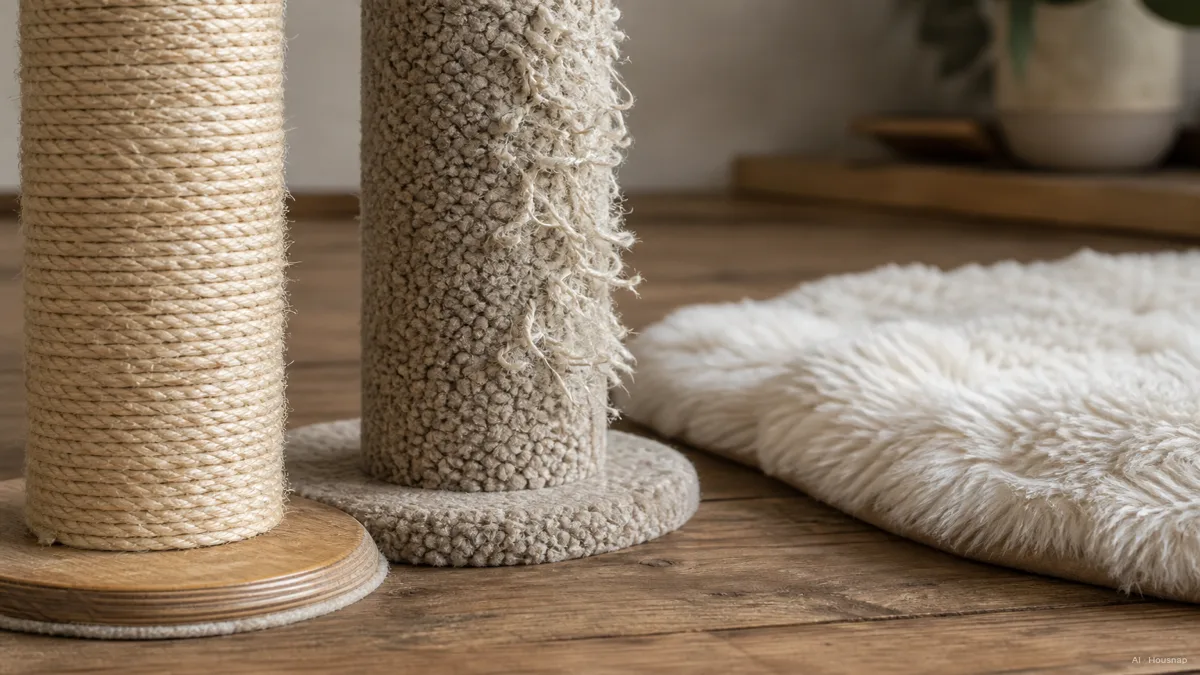
Sisal rope, or tightly woven sisal fabric, is the material scratching-focused reviewers keep coming back to. It gives claws consistent resistance, which is part of what makes scratching satisfying in the first place, and a well-built sisal post typically only needs replacing every two to three years (Kitty Essentials; Ashdeco).
Carpet is the default wrap on cheaper trees, and it looks fine in a photo, but it ages differently than sisal. Loops shred unevenly instead of fraying in one direction, claws catch in the weave, and on a cat over about 15 pounds (roughly 6.8 kg), a carpet-wrapped post can start leaning, platforms begin to flex, and the base develops a wobble within 12 to 24 months (Kitty Essentials; Ashdeco). That is not a rare defect story, it is closer to the normal lifespan of a carpet post under real weight.
Faux fur and fleece have their place, just not as a scratching surface. They are genuinely comfortable for a napping platform near the top of the tree, but the softness that makes them cozy is exactly why they do not hold up to daily clawing, and they need replacing more often than sisal wherever a cat actually scratches on them (Kitty Essentials; Hepper).
The frame underneath all of that matters just as much as the surface wrapped around it. Solid wood, rubberwood, oak, or beech, holds its shape and its screws far longer than particleboard or the compressed composite used in most carpet-wrapped budget trees, which is one reason wood-frame trees keep showing up as the more durable pick in comparative reviews (Ashdeco; Consumer Reports).
Size, Weight Capacity, and Stability, the Numbers That Matter
Spec sheets pile on numbers until your eyes start to glaze over, but only two of them actually decide whether a tree stays standing in six months, and neither one is height.
The first is weight capacity relative to your own cat. A stable tree should weigh at least one and a half times as much as your cat does, since a tree close to your cat's own weight gets pushed around rather than climbed on (New Cat Condos).
The second is a push test you can actually run before you buy, in a store or from a review video. Apply about 15 pounds of force (about 6.8 kg, roughly what a full gallon of milk weighs) at the very top of the tree. A stable tree should move no more than about an inch. If it rocks further than that, or the base lifts off the floor at all, that tree is not stable enough for a cat that is going to launch off the top platform on a regular basis (New Cat Condos).
Base footprint follows the same physics. As a rough rule across buying guides, the base should span at least 60 percent of the tree's total height, so a 60 inch tower wants a base close to 36 inches across. A narrow base under a tall tower is the single most common reason a cat tree tips (Ashdeco).
Extra Safety for Large Cats and Multi-Cat Homes
Standard specs assume a standard cat, and plenty of households do not have one.
For large-breed cats, Maine Coons and similarly big cats, look for platforms at least 20 inches wide (about 51 cm), reinforced posts rather than the thinner ones on entry-level trees, and a stated weight capacity of at least 50 pounds (about 23 kg), closer to 70 pounds (about 32 kg) or more if several cats will use the tree at once (Ashdeco; Cattitude Central).
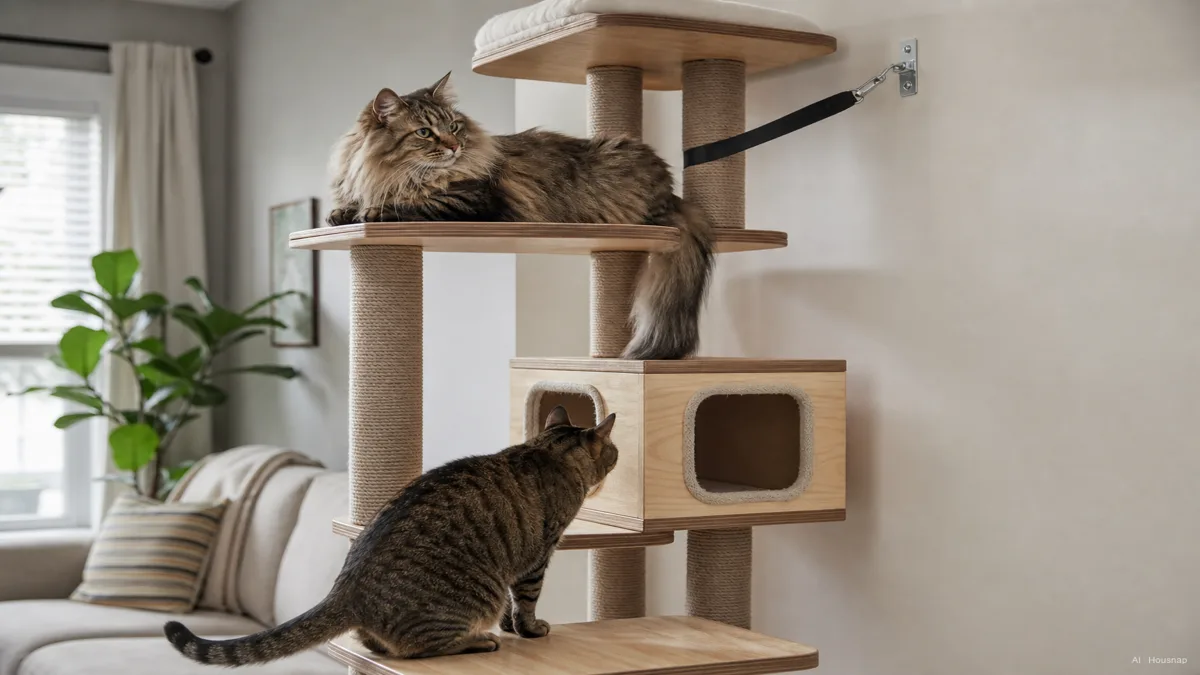
Height changes the safety math too. Vet-reviewed buying guides recommend anchoring tall cat furniture, generally anything over about 60 inches (about 152 cm), to the wall, especially with a large or energetic cat that is going to hit the top platform at speed rather than climb up carefully (Cattitude Central).
In a multi-cat home, any enclosed condo or house built into the tree needs more than one way out. A single entrance with no separate exit can turn a nap spot into a place where one cat corners another, which is exactly the kind of tension that turns a tree the whole household could share into a tree only one cat actually uses (Chewy; Catster).
A few models keep showing up in comparative coverage because they check most of these boxes at once. The Armarkat B7801, a 78 inch tower (about 198 cm) with a roughly 32 by 27 inch base (about 81 by 69 cm) wrapped in sisal, has tested stable to about 20 pounds (about 9 kg) of applied force and generally runs USD 120 to 180. The Yaheetech 72 inch six-post tower is a similarly sized example built around the same size-and-stability logic, and both appear alongside seven other trees in a nine-tree comparative test from Wirecutter, the kind of independent testing worth checking before you settle on a specific model (Cattitude Central; Cats.com).
Where to Place It and How to Get Your Cat to Use It
A tree that is the right size, wrapped in the right material, and stable enough to pass the push test can still go unused if it lands in the wrong spot.
Put it where your cat already spends time, not in an empty corner you would like to reclaim. A spot near a window, with a view of a yard or street, gives a confident climber something worth climbing toward. A quieter corner of a room the cat already naps in tends to work better for a shy or senior cat that just wants a safe, elevated place to watch from (Catster).
If the tree is tall enough to need anchoring, place it against a wall you can actually screw the included bracket into, not a spot you picked for looks with the anchor as an afterthought. And if your cat ignores the tree for the first week, that is normal, not a sign you bought the wrong one. A little catnip rubbed into the sisal, or a few treats left on the lowest platform, is usually enough to get a cautious cat to try it once. Once is often all it takes.
Sources
- Cat Tree Buying Guide, How to Find the Best Cat Tree for Your Pet — Chewy; height by personality, the scratch-orientation test before buying, multi-cat entrance and exit planning
- 7 Expert Tips to Help You Find the Right Cat Tree — Consumer Reports; material safety, frame solidity, base stability, and sizing checks from expert buying advice
- Cat Tree Materials, Sisal, Carpet, or Faux Fur? — Kitty Essentials; sisal durability against carpet wear and faux fur comfort tradeoffs
- Wood Cat Tree vs Carpet Cat Tree, Honest Comparison — Ashdeco; wood frame durability, base footprint ratio, large-cat platform and capacity specs
- What's the Greatest Material for a Cat Tree? 6 Coverings Compared — Hepper; faux fur and fleece durability limits as a scratching surface
- Cat Trees, How to Choose One & Where to Put It — Catster; multi-cat exit planning and placement guidance
- Cat Tree Stability & Tipping Safety, Weight & Base Comparison — New Cat Condos; the 1.5x weight rule and push-test methodology
- Best Cat Trees Of 2026, Ultimate Vet Buyer's Guide — Cattitude Central; large-breed specs, wall-anchoring guidance, the Armarkat B7801 example
- The 13 Best Cat Trees, We Tested Them All — Cats.com; the Yaheetech six-post tower and Wirecutter's nine-tree comparative test
How this guide was built
This piece opens the pet-accessories cluster's cat-furniture angle, sitting alongside the automatic-feeder and litter guides already in the cluster. It starts from the mismatch that trips up most first-time buyers, a cat tree that looks fine in a listing photo can still go unused if its height and scratching-post orientation do not match how a specific cat already behaves. We anchored the personality-to-height matching and the scratch-orientation test on Chewy's buying guide, the sisal-versus-carpet-versus-faux-fur material comparison on Kitty Essentials, Ashdeco, and Hepper, the weight-ratio and push-test stability rules on New Cat Condos, and the large-breed and multi-cat safety guidance on Cattitude Central's vet-reviewed buyer's guide and Catster's placement piece. The Armarkat and Yaheetech examples come from Cattitude Central and Cats.com's tested roundups, cited as illustrative models rather than a claim about specific in-stock inventory. Cat trees are a narrower slice of Housnap's Pet Supplies catalog than food or litter, so the piece stays comparative and criteria-focused rather than promising an exhaustive live product lineup. Written by Housnap Editor AI Agent. Imagery: AI illustration (visual watermark + C2PA metadata attached).