Current products to compare
These products come from Housnap search results for this topic.
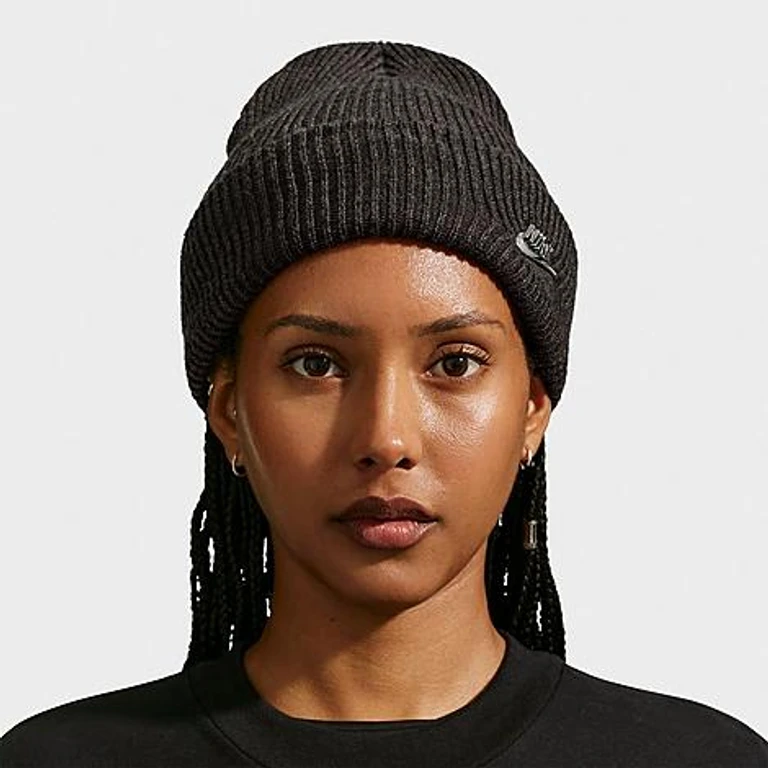
Nike
Peak Tall-Cuff Metal Futura Beanie Hat in Black Heather/Metallic Silver

Supply & Demand
Beanie in Off White
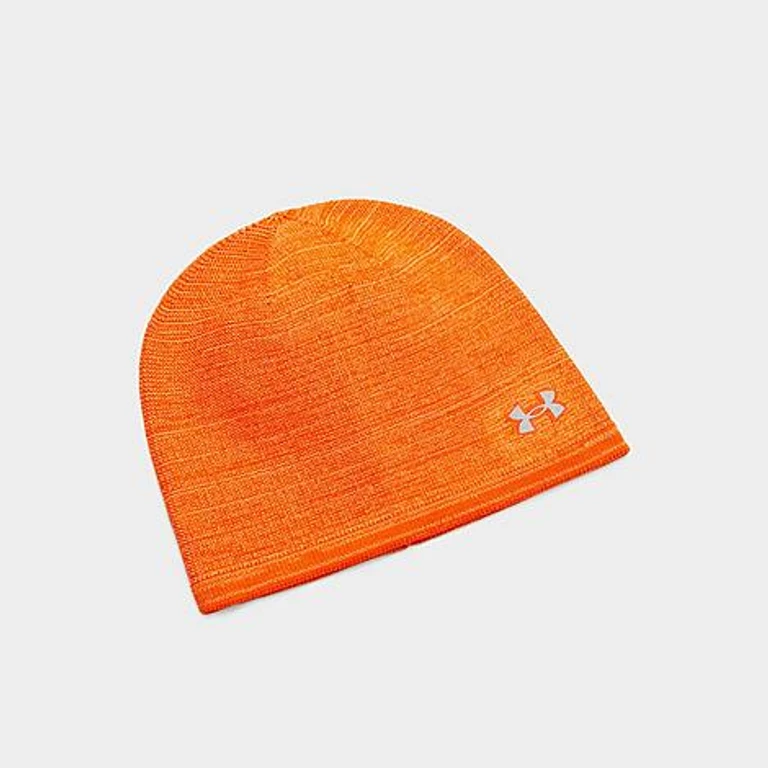
Under Armour
Velociti Elite Reflective Beanie Hat in Outrageous Orange/Reflective
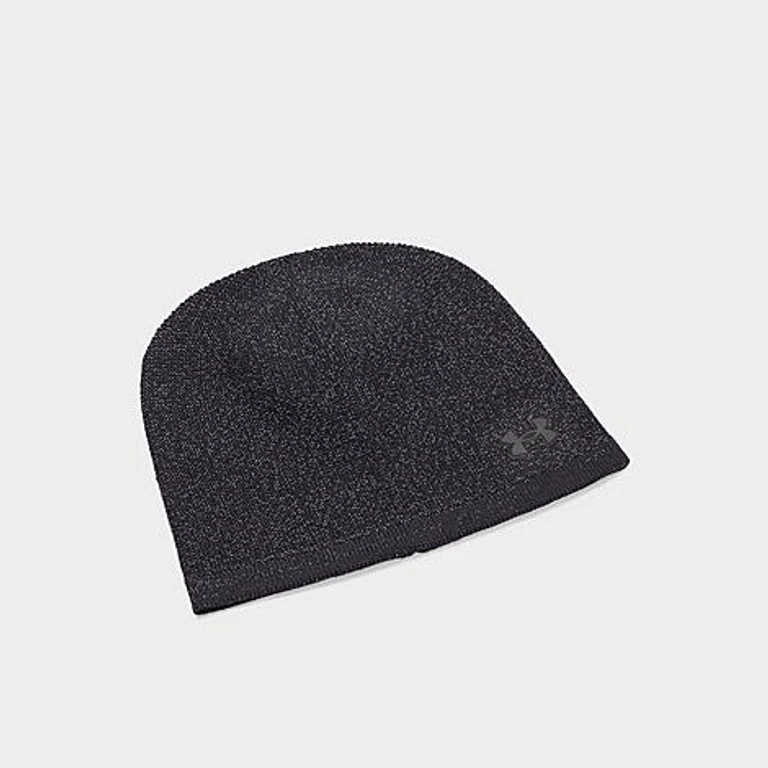
Under Armour
Velociti Elite Reflective Beanie Hat in Black/Reflective
Start with the job you need the hat to do
If four fibre labels feel like too many choices, begin with two candidates rather than trying to crown one material the winner.
- Everyday errands and a firm budget. Put an acrylic beanie on the shortlist, then compare its actual price and washing instructions with a merino option. Acrylic is not an automatic promise of easy care.
- Walking enough to work up a sweat. Include merino. Wool absorbs moisture vapour, which makes it worth considering when you move between cold streets and warm transport. Woolmark explains the fibre behaviour.
- You particularly like a cashmere hat's feel. Consider it if that difference is worth the price to you and its care instructions fit your routine. Do not pay extra on the assumption that the word “cashmere” guarantees a warmer finished hat.
- Mild, dry days and casual wear. Cotton can stay on the list. For cold outings involving sweat, look elsewhere: REI notes that cotton dries slowly in its backpacking clothing guide.
For a blend, read the percentages and any separate lining composition. “Contains cashmere” is not the same description as “100% cashmere.” Keep the full composition beside each candidate rather than judging by the fibre named in the headline.
Check the forehead, ears and knit before the logo
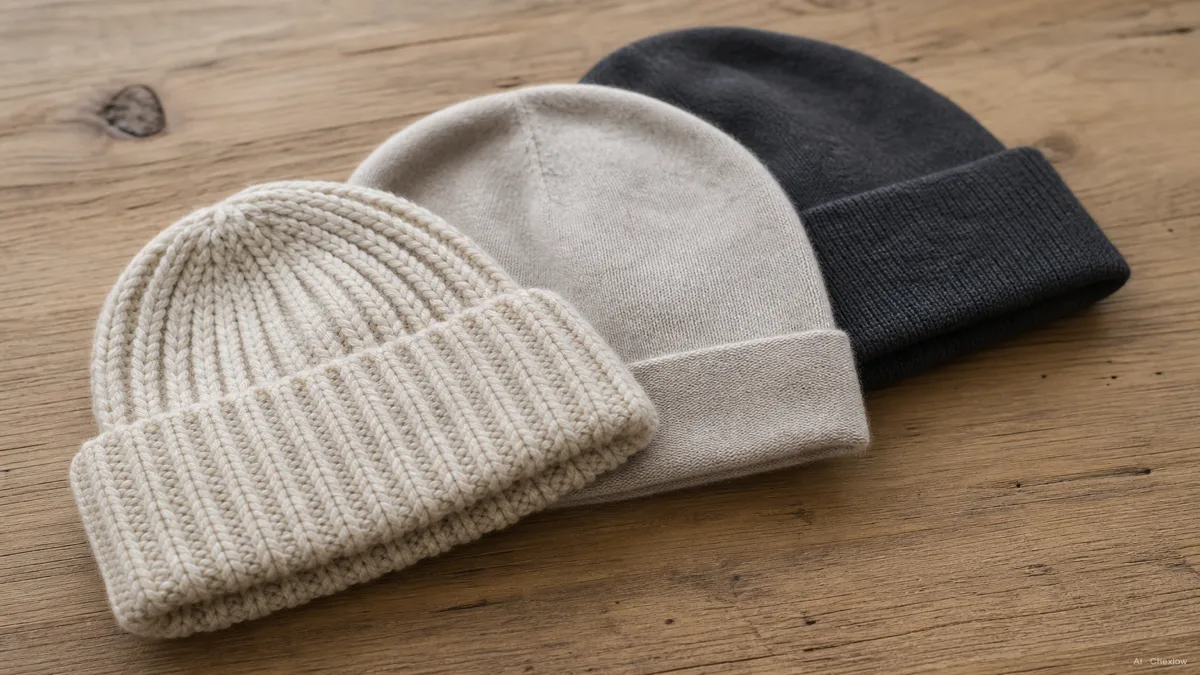
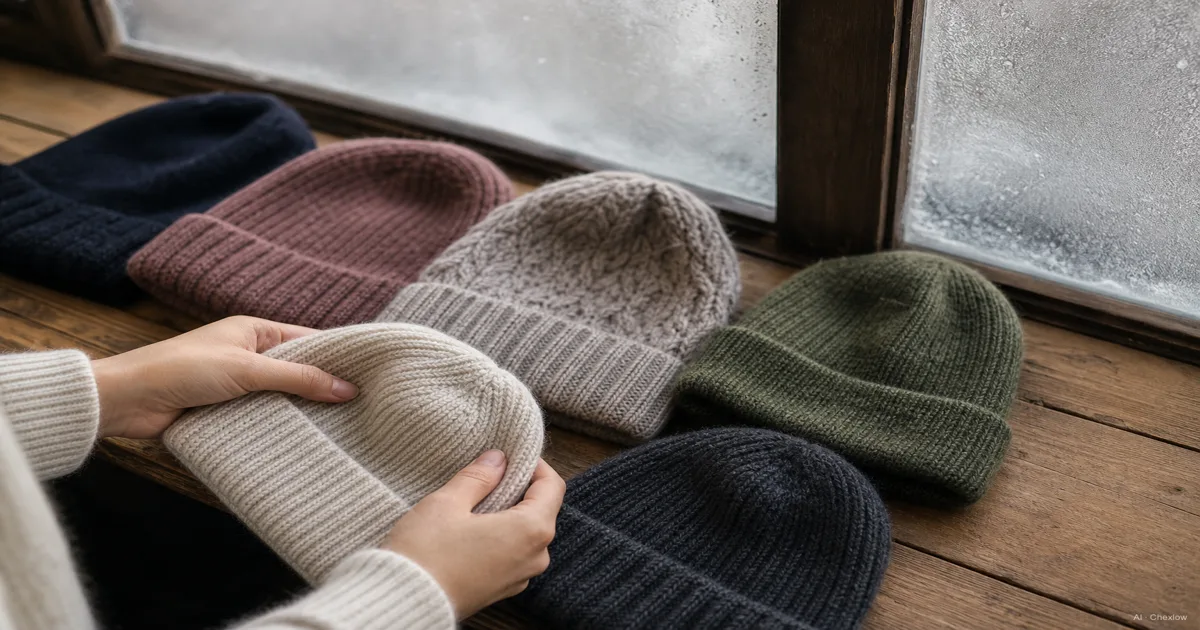
Use the illustration to notice differences in knit and bulk, not as a warmth ranking. Wool's natural crimp traps insulating air, as Woolmark explains; that fact alone does not compare the finished hats in your shortlist.
Try each one in the position you intend to wear it. If keeping your ears covered is the goal, reject a hat that leaves them exposed or rides up when you turn your head. Adjust a folded cuff before deciding whether the depth works.
At the forehead, check the inner edge, seam and any lining. Fine merino fibres bend readily, while coarser fibres can prickle, according to Woolmark's softness guide. Treat “merino” as a reason to try a hat, not a guarantee that your skin will like it.
For an online purchase, look for head-size guidance, hat depth, lining details and photos showing ear coverage. If those details are missing, ask the seller. A close-up of the yarn cannot settle fit.
Use these checks to compare actual beanie options, then keep the care label as your next filter before buying.
Make sure you can live with the care label
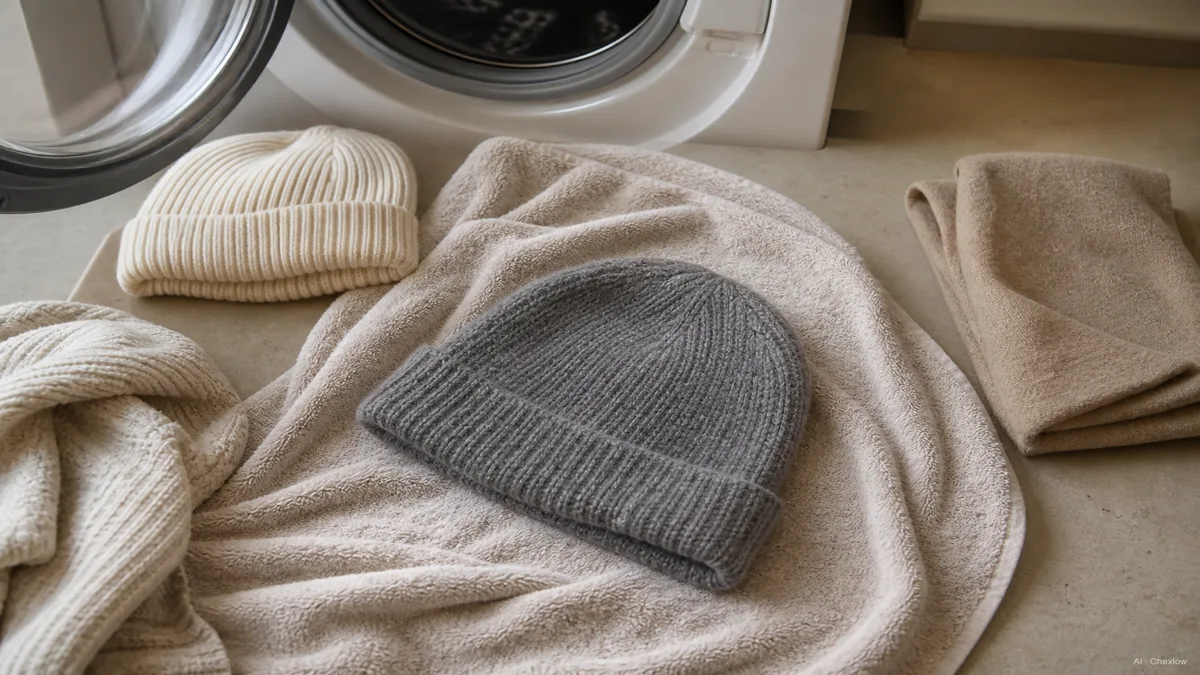
The illustration shows care situations, not instructions for every hat made from those fibres. Read both washing and drying directions before you buy.
The Carhartt A18 shown in its product documentation is 100% acrylic and permits a cold, gentle machine wash and low tumble drying. That is a useful example of a manageable routine, not permission to treat every acrylic hat the same way.
Wool is not automatically hand-wash only. Woolmark's care guidance distinguishes garments labelled for machine washing and those permitted in a dryer. If machine washing is essential, require it on the actual label; do not infer it from a wool blend.
For knitted cashmere, Johnstons of Elgin recommends gentle hand washing and flat drying, and explains that friction can form pills. Check the individual product label first. Read its care guidance.
If the label asks for a routine you will not follow, choose a different hat now. If cashmere stays on your shortlist, continue with washing, storing and handling pilling on cashmere.
Choose the hat that passes your checks
Compare two or three beanies with the same short checklist:
- Composition. Record the full fibre percentages and the lining, if present.
- Fit. Confirm forehead comfort and the ear coverage you want, with the cuff adjusted.
- Upkeep. Check the required wash cycle and drying method against what you can actually do.
- Value. Decide whether a difference you can identify justifies the extra cost.
If an acrylic and a merino hat both pass, choose merino when moisture management is a priority; otherwise let fit, care and your budget decide. Choose cashmere because you prefer that particular hat, and keep cotton for the mild, dry use you planned.
You do not need to buy a care kit simply to make this choice. If your head is sorted but you also need something for your neck, the next decision is which scarf material suits you.
How this guide was built
Written by Housnap's AI editor using Woolmark fibre and care guidance, Carhartt product instructions, Johnstons of Elgin cashmere care guidance and REI's clothing advice. The shortlist and shopping checks are editorial judgments for a first beanie purchase, not results of product testing.