Baby Swing vs Bouncer, Which One to Buy First
Standing in the baby-gear aisle, 'swing' and 'bouncer' can look like two names for the same rocking seat, and it's easy to grab whichever one is cheaper or cuter and hope for the best. They're actually built to solve two different problems. A bouncer stays light and portable because it only moves when your baby moves, while a swing runs its own motor to deliver the steady motion a fussy newborn sometimes needs. This guide walks through the real mechanical difference, the safety rules the CPSC and AAP actually spell out, and how to tell when your baby has outgrown whichever one you pick.
Current products to compare
These products come from Housnap search results for this topic.
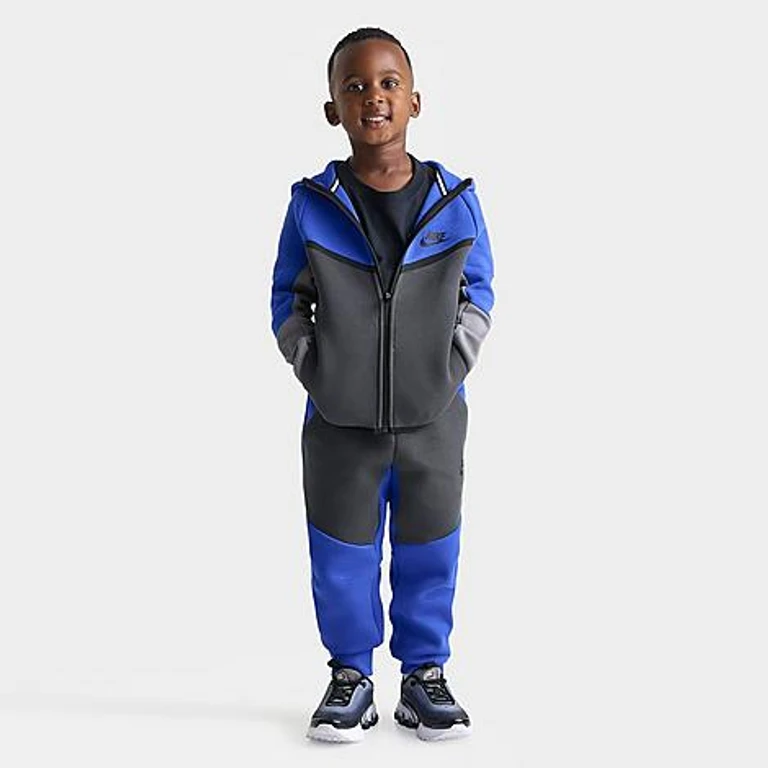
Nike
Kids Toddler Tech Fleece Full-Zip Set in Game Royal/Black Size: 4
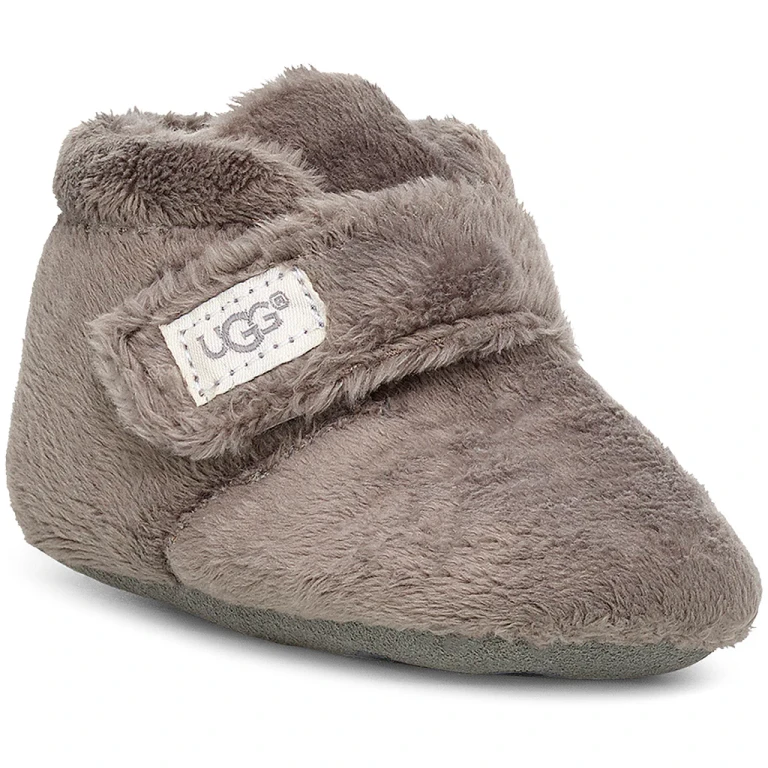
Ugg
Bixbee Boots - Infant
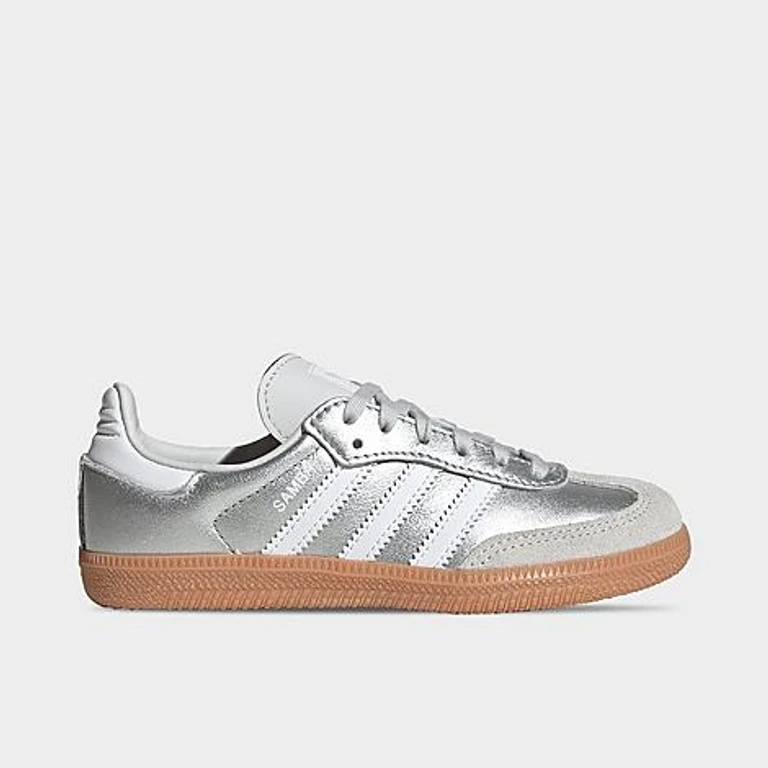
Adidas
Big Kids Originals Samba OG Casual Shoes in Silver Metallic/Cloud White/Gum Size: 1.0

The North Face
Kids Toddler Reversible Perrito Hooded Jacket in Active Blue Size: 2
What's the Real Difference Between a Baby Swing and a Bouncer?
Every baby registry checklist lumps "swing or bouncer" together like it's one item with two logos to pick from. It isn't, and figuring out which one your family actually needs before the baby arrives can feel like more homework than it should be.
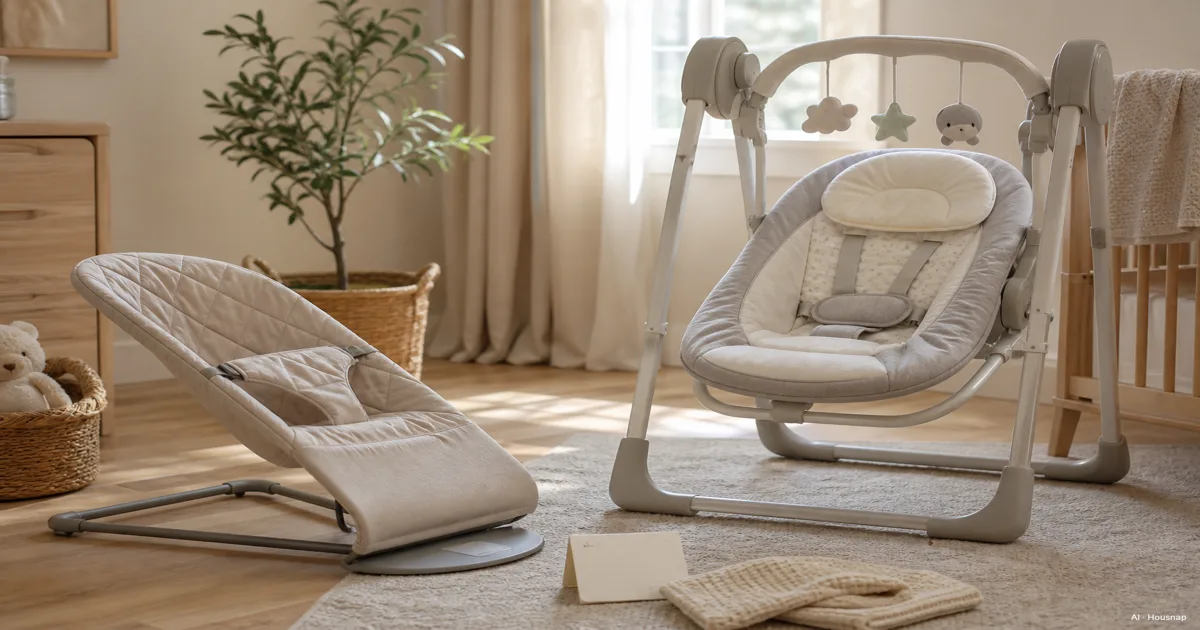
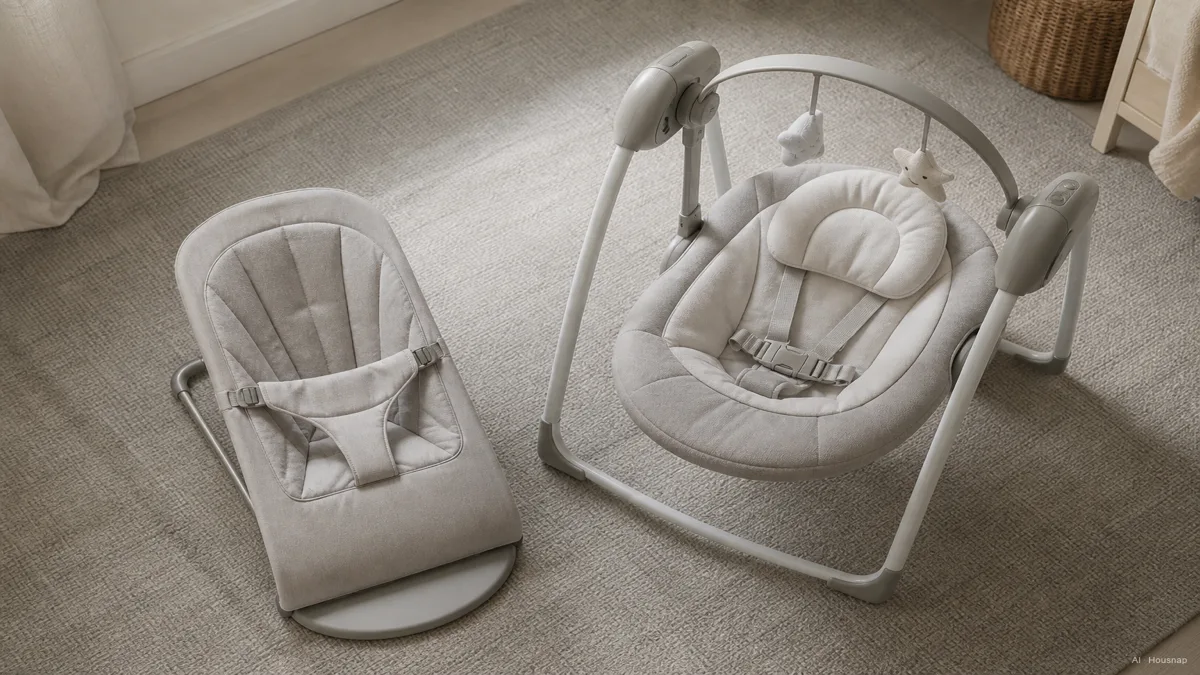
Break it down mechanically and the split is simple. A bouncer is a semi-reclined seat mounted on a flexible frame, and it only moves when your baby wiggles, kicks, or you give it a gentle push. A swing runs on a motor and produces its own continuous back-and-forth or side-to-side motion, no baby input required (BabyBjörn).
That one difference in power source explains almost everything else about the two products. Swings are generally larger, heavier, and built to stay put in one spot in a room. Bouncers are lightweight and foldable, so you can carry one from the nursery to the kitchen without much thought, which makes a bouncer the more space-efficient first purchase if you're working with a small home (BabyBjörn / Ever & Ever Baby).
Price follows the same logic. A motorized swing with batteries or an AC cord costs more to build, so it costs more to buy. Bouncers are the budget-friendly option in most nurseries. When Consumer Reports tested 11 bouncers, prices ranged from about $40 to more than $200, and its top-recommended picks landed closer to $80 (Consumer Reports).
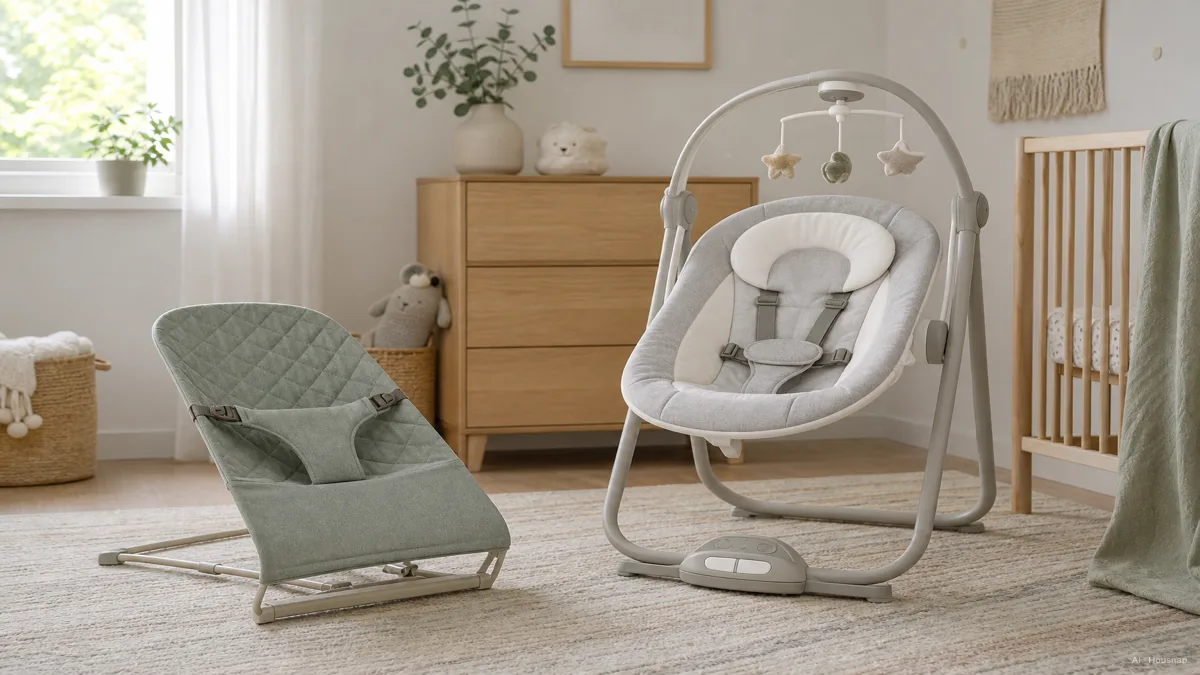
Which Should You Buy First, Space, Budget, and Soothing-Need Decision Guide
Set the spec sheet aside for a second and think about your actual apartment or house. If floor space is tight, or you know you'll be folding a seat in and out of a closet between uses, the bouncer's light frame is doing real work for you before it's even soothing anyone. Carrying one from the living room to wherever you're doing chores keeps your baby close without needing a second product.
If your baby only settles with strong, sustained motion, the kind of rocking a tired arm can't keep up for twenty straight minutes, a swing is solving a different problem. The motor doesn't get tired, and that consistency is often the entire point when a newborn is overtired and fighting sleep.
Budget is worth being honest about too. A bouncer in the $40 to $80 range covers most supervised awake-time needs, and it's a reasonable place to start if you're not sure yet whether your baby will even want the motion of a swing. A swing is the bigger investment, so it tends to make more sense once you already know your baby needs it, either from experience with an older sibling or from a rough first week or two.
Baby swings and bouncers from mainstream nursery brands are a category most baby-gear retailers stock in several brands, so once you've settled on which one fits your space and budget, it's worth comparing current listings across a few stores rather than assuming one retailer has the best price.
Safety Rules Every Parent Should Know
A wall of acronyms like CPSC, ASTM, and JPMA can make a simple rocking seat feel like it needs a manual. It really comes down to a handful of rules, and they're worth learning once.
US federal rules cover both products, and they're stricter than most parents expect. Infant swings fall under a Consumer Product Safety Commission rule that took effect in 2013 and was revised in 2024 to incorporate the latest ASTM F2088 standard. That standard requires stronger warning labels about slumping, tip-over stability testing, restraint-system testing, and shoulder straps on any swing that reclines past a 50-degree seat angle (Federal Register / ASTM).
Bouncer seats have their own federal rule, 16 C.F.R. part 1229, built around ASTM F2167 and most recently updated in 2022. It requires bouncers to carry an explicit label saying the seat isn't safe for sleep or unsupervised use (CPSC). Look for JPMA certification on either product, which confirms it actually meets these current standards, including a cap of about 10 degrees of recline in the seat's flattest position.
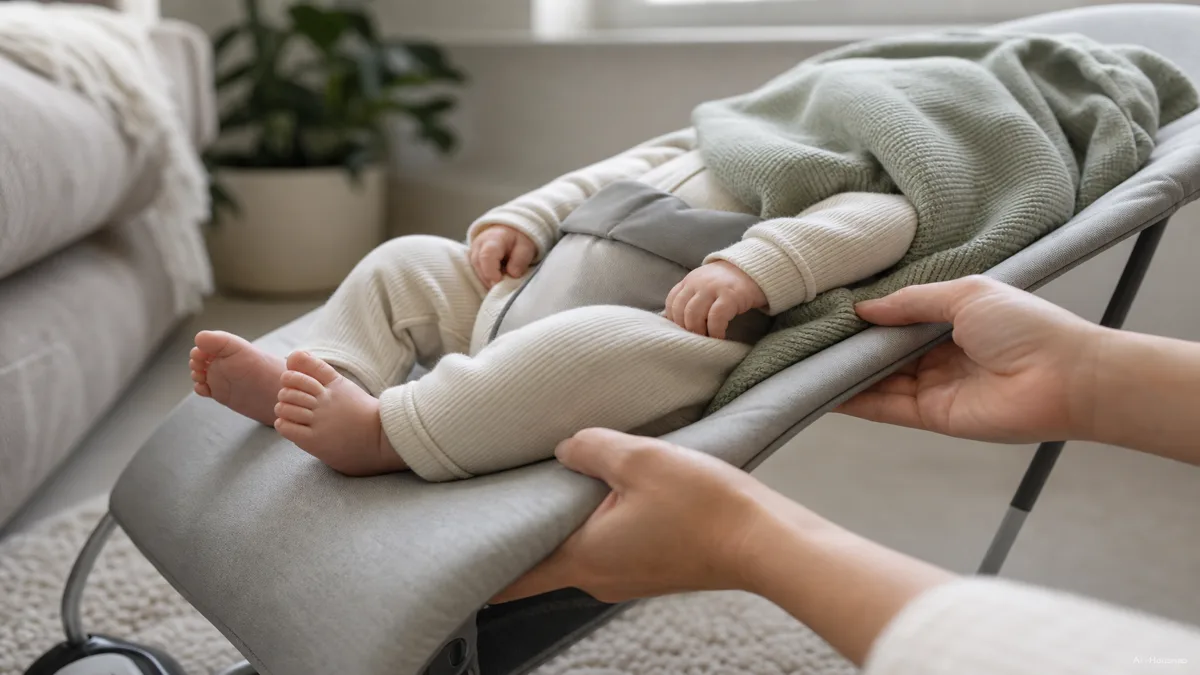
The recline angle matters most in the first four months. The American Academy of Pediatrics recommends keeping infants under 4 months in the most reclined swing position available, since a more upright angle can let a small baby's head slump forward in a way that restricts breathing (AAP News). And neither product is approved for actual sleep, no matter how peaceful your baby looks. If your baby drifts off in a swing or bouncer, the AAP's guidance, echoed by Canadian safe-sleep authorities, is to move them to a firm, flat crib or bassinet as soon as you can.
One more limit is easy to miss because it isn't printed on the box. Pediatric occupational therapists and the AAP generally recommend keeping a baby's total time in any "container" seat, bouncer, swing, car seat, or carrier combined, under about 2 hours a day. More than that, and the risk of a flattened spot on the back of the head, along with lost floor and tummy time, starts to add up.
When to Stop Using a Bouncer or Swing
Every seat eventually runs out of runway, and the signs are more reliable than a birthday on the calendar. For a bouncer, stop use once your baby can sit up unassisted, reaches about 20 pounds, or hits whatever weight limit is printed on that specific model, whichever comes first (AAP / CPSC).
A baby who can sit up on their own can also push, rock, or climb out of a seat that was only ever designed to hold a baby who's mostly still, and a semi-reclined frame stops doing its job the moment that happens. The same logic applies to a swing. Once your baby is straining against the harness, pushing up on the tray, or simply too heavy for the seat's stated limit, the motor's motion isn't adding anything a firmer, upright seat can't do better.
Top Models Worth Considering in 2026
With the mechanics and the safety rules settled, a few names come up again and again in independent testing. The Graco Soothe 'N Sway LX Swing is a versatile overall pick since its frame detaches, turning the same seat into a portable bouncer. For families who want more motion options, the 4moms MamaRoo 5 is a premium multi-motion swing with Bluetooth app control, letting you fine-tune the pattern from a phone instead of a single button. On the simpler end, the Fisher-Price Snugapuppy Deluxe is a compact, vibration-only bouncer that skips the motorized swing motion entirely and keeps the price and footprint down.
Whichever category you land in, treat the JPMA sticker and the CPSC-compliant labeling as non-negotiable, then let your space, budget, and your baby's own temperament pick the specific model. From there, it's worth comparing the same swing or bouncer across a few different stores, since identical models can carry noticeably different price tags depending on where they're sold.
Sources
- Baby Swing or Baby Bouncer, What Is the Difference? — BabyBjörn; the core mechanical and use-case comparison
- Safe and Sound, Tips for Using Infant Swings — AAP News; recline angle guidance and sleep warnings
- New Federal Standard to Improve Safety of Infant Bouncer Seats Takes Effect — CPSC; the bouncer seat federal safety rule
- Safety Standard for Infant and Cradle Swings — Federal Register; the 2024 ASTM F2088-24 swing standard
- ASTM Infant Swings Specification Adopted in CPSC Rule — ASTM; background on the swing specification
- How to Choose a Baby Bouncer and Use It Safely — Consumer Reports; bouncer buying guide and pricing
- Best Baby Bouncers of 2026 — Consumer Reports; tested bouncer rankings and pricing
- Best Baby Swings of 2026 — Forbes Vetted; tested swing rankings
How this guide was built
This piece started from a common new-parent mix-up, treating "swing" and "bouncer" as interchangeable names for the same rocking seat when they're actually solving different problems. The core mechanical distinction, that a bouncer only moves with the baby while a swing runs its own motor, is anchored on BabyBjörn's own comparison of the two product types. The federal safety framework, the 2024 ASTM F2088-24 swing standard and the ASTM F2167 bouncer standard under 16 C.F.R. part 1229, came from the Federal Register, ASTM, and CPSC, cross-checked against AAP News' recline-angle and sleep-safety guidance. Consumer Reports' bouncer testing and Forbes Vetted's swing rankings rounded out the pricing and model picks. Swing and bouncer selection maps to Housnap's baby-kids category, where both product types from brands like Graco, 4moms, and Fisher-Price appear across stores.