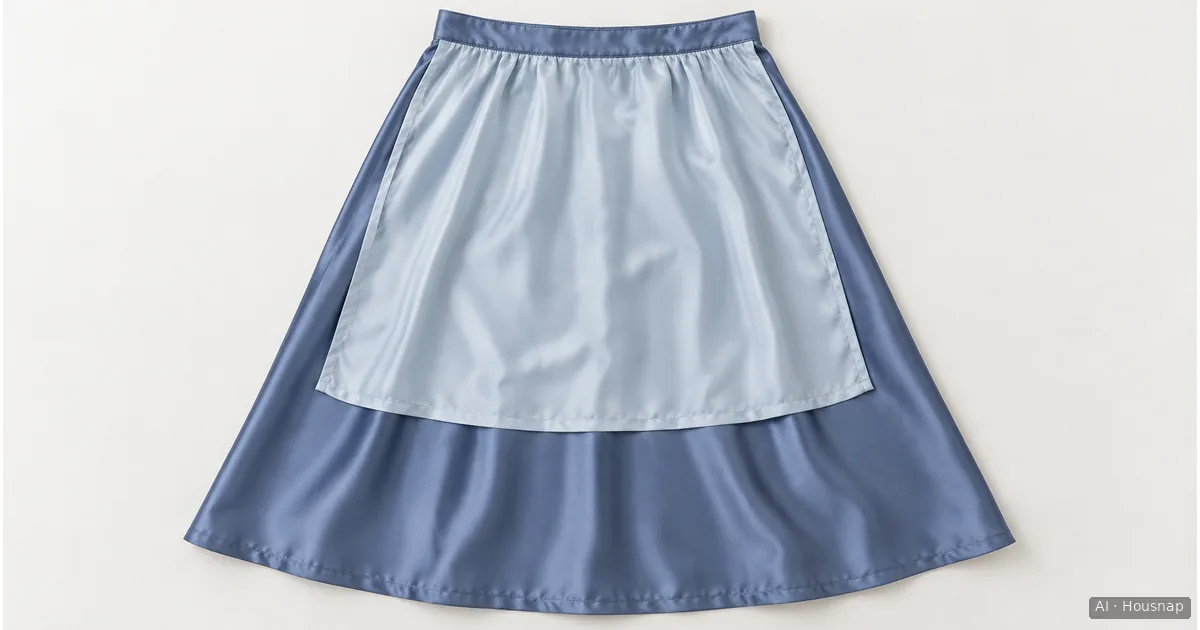
Produtos atuais para comparar
Estes produtos vêm dos resultados da Housnap para este tema.


Read the fiber label before judging the shine
If you want silk, look for silk in the composition. Satin describes a weave, and it can be made from silk, polyester, acetate or blends, as EOS Fabrics explains. Paying for a satin finish is not automatically paying for silk.
For a concrete example, Nike identifies this Sportswear satin skirt as made with recycled polyester fibers. That tells you about the displayed garment's material; it does not establish the lining or opacity of another skirt or colorway.
Before ordering, ask for the shell composition, lining composition if present, and an inside photograph. Treat an omitted lining description as a question to resolve, not as confirmation that the skirt is lined or unlined.
Find where the lining actually ends
Look for a separate inner layer, then compare its hem with the outer hem and any slit. A different texture on the back of the fabric is not enough: EOS describes crepe-back satin as two different surfaces of the same cloth, rather than an added lining.
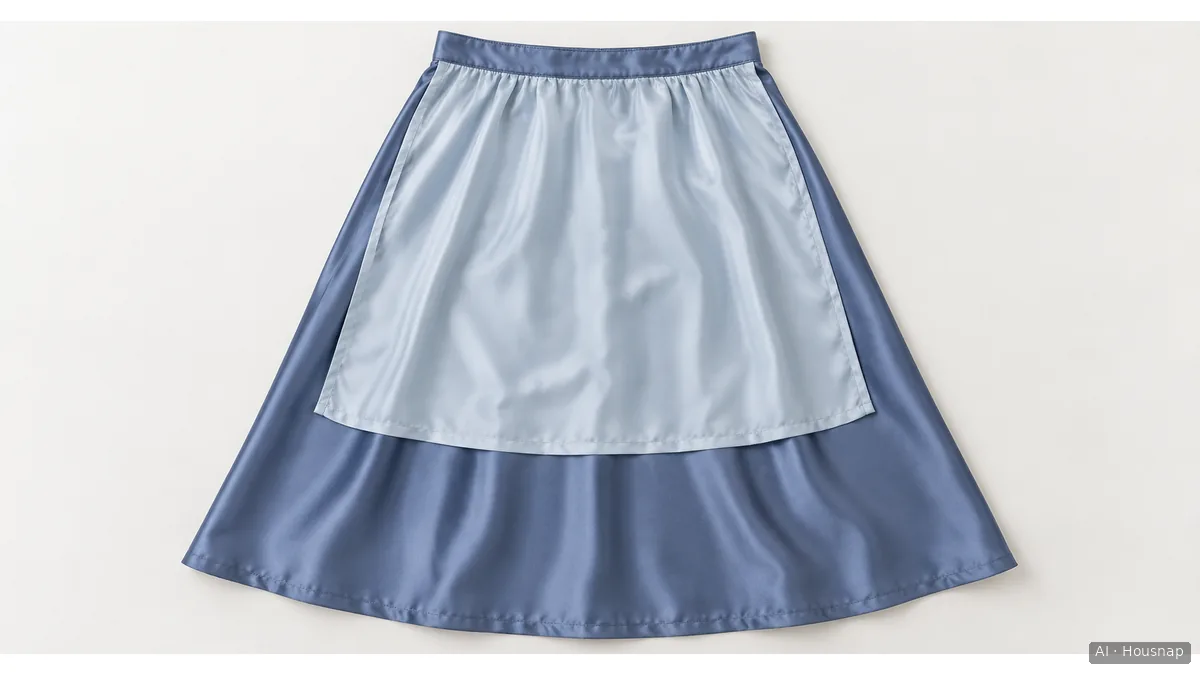
The illustration shows the length difference to inspect. It does not demonstrate how opaque a real skirt is. On your candidate, check the area below the lining as well as the covered area, and see whether either hem becomes conspicuous when you sit.
For an unlined option, make the fabric itself do the work you expect. Fabric wholesaler Zelouf advises prioritizing opacity and more body when avoiding a lining. This is fabric-selection guidance, not proof that a particular finished skirt needs a slip.
Try the complete outfit in light and motion
Use your intended underwear, plus tights if those are part of the outfit, while following the seller's fitting and hygiene rules. The following checks adapt Zelouf's guidance into a practical shopping decision; they are not a standardized opacity test.
- See-through fabric. Look from the front, side and back in ordinary indoor light and daylight, including with light behind you. Decide whether visible color or detail underneath is acceptable for where you will wear it.
- Visible edges. Look separately for underwear seams or hems outlined through the skirt. Do not assume changing underwear color will resolve a raised outline.
- Cling and movement. Walk, sit and stand again. Check whether the skirt or lining stays caught against your legs, bunches, or needs repeated adjustment.
Zelouf notes that backlighting and stretching over curves can reveal more than folded fabric does. It also describes cling as a combination of fabric properties, cut and what is underneath, and explains that fabric cut on the bias stretches and settles over the body. A “bias-cut” label is therefore a reason to assess the worn fit, not a promise of cling-free movement.
If the skirt works only with a slip you had not planned to wear, compare a different skirt before adding another purchase. If you actually prefer the layered outfit, judge that complete combination on its own merits.
If coverage is acceptable but walking or sitting remains uncomfortable and you want to compare skirt constructions, continue with pleated versus pencil skirts for walking and sitting.
Make the purchase fit your routine
Keep a candidate when you like its coverage and movement with the layers you want to wear. Compare another size or cut when fit is the problem; compare another fabric or lining arrangement when coverage is the problem. If an online listing leaves a decisive detail unanswered, ask the seller and check the return conditions before ordering.
Check care before paying too. GINETEX advises checking textiles for care symbols before purchase. Read the actual skirt's washing, drying and ironing instructions rather than assigning it a routine from the word “satin.”
If the skirt's instructions differ from your usual laundry, continue with how to separate clothes with different care labels. Decide whether that routine suits you before committing.
Como este guia foi construído
This guide was written by AI for Housnap, using a manufacturer product page, specialist fabric guidance and GINETEX's care-labelling information. It turns those sources into shopping checks for finished skirts; no garments were wear-tested, and no listed candidate is certified as opaque or free from cling.