Produtos atuais para comparar
Estes produtos vêm dos resultados da Housnap para este tema.


Start with your shoes and waistband position
Put on the shoes you expect to wear most often, rather than a higher pair chosen just to lift the hem. If the skirt must work with both flats and heels, check both combinations separately. The Luella fitting guide specifically recommends trying the skirt before hemming, especially when different shoe styles are planned.
Fasten the waistband where you intend to wear it. Walk a few steps and see whether it stays there. Luella’s elastic waistband, for example, is designed to hold the skirt at the waist without digging in. For your candidate, ask where its waistband is intended to sit; do not keep rolling or pulling it upward to make the length work.
Choose the size for your waist and hips before deciding whether its length is usable. For body measurements, follow the seller’s method: Sumissura recommends a cloth tape, a relaxed stance, light fitted clothing and a second check, with hip circumference taken around the fullest part and the tape level. These body measurements answer a different question from skirt length.
If you are still choosing ankle boots to wear with the skirt, compare flat and heeled ankle boots first, then repeat the length check with the pair you select.
Turn the listing’s length into a useful comparison
Look for the finished garment length in your size, not just a body-size chart or the word “maxi.” Luella separates its finished-length chart from body measurements, while Seasalt directs shoppers to each product’s specific measurements.
Ask the seller:
- Where does the measurement start: the waistband’s top edge or the seam below it?
- Where does it end, and is it measured at the front, back or side?
- For an uneven hem, what are the shortest and longest measurements?
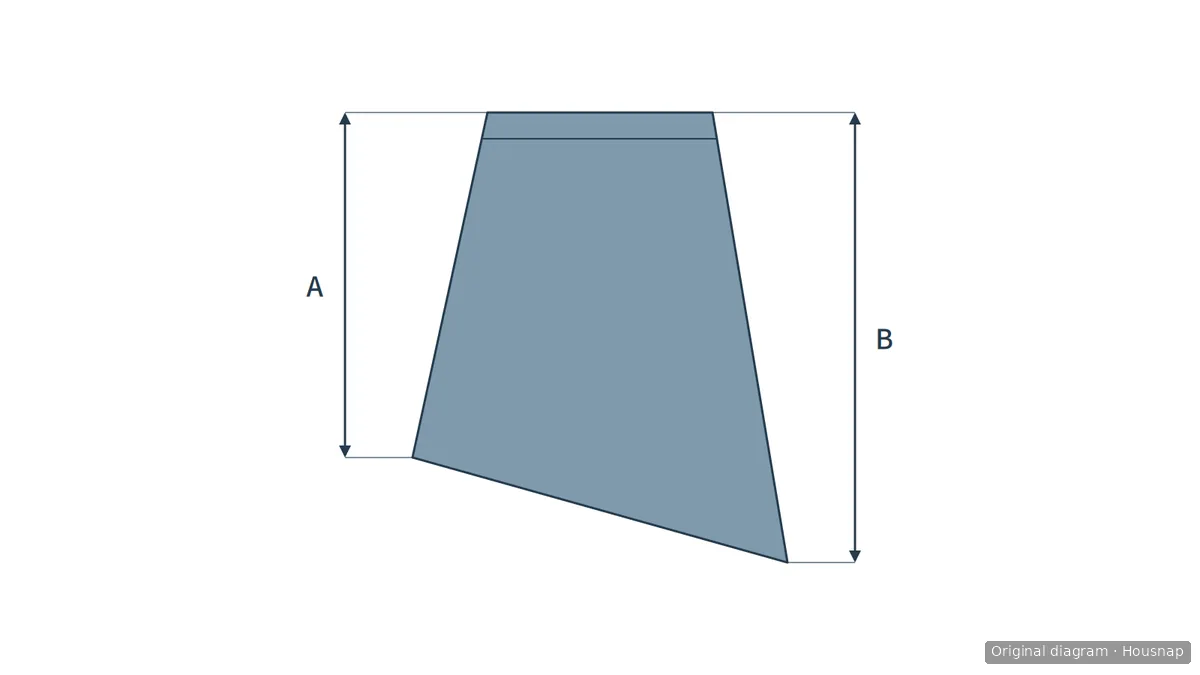
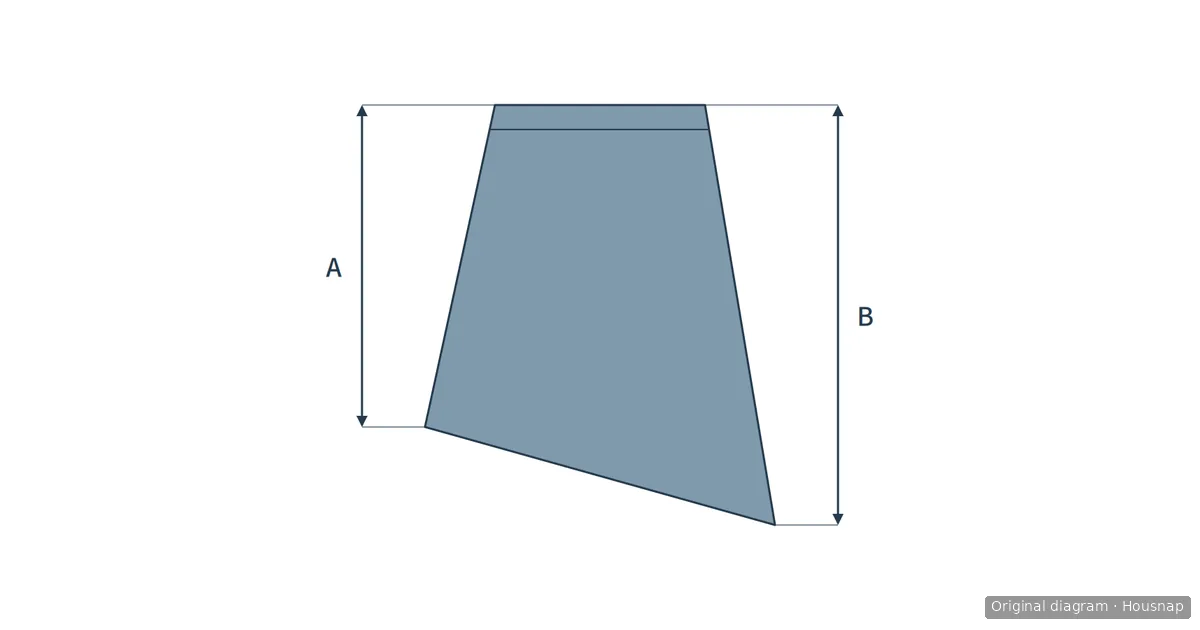
A marks the shorter side in this example; B marks the longer side. Both start at the waistband’s top edge. This is a measurement illustration, not a seller’s universal method or a prediction of clearance when worn; a garment with a longer back also needs that measurement.
Use a skirt you own as a reference only after trying it with the intended shoes and waistband position. Lay it flat and measure using the seller’s stated endpoints and method, with a tape you already have or can borrow. If you want a shorter result, have the desired hem position established while wearing it before recording a target finished length. Do not estimate from the model’s height alone.
Check movement before accepting the length
Start on a clean, level indoor floor, within the seller’s fitting and return conditions. Let the skirt hang naturally and check the front, sides and back. Walk and turn slowly. If the hem drags or moves under a shoe, stop there and reconsider the length.
Only if that check is comfortable, use a clear, well-lit bottom stair with a handrail. Hold the rail and cautiously try stepping up and back down, watching whether the shoe approaches or catches the fabric. Stop if it does; do not deliberately step on the hem to test it. A level-floor gap does not establish stair clearance.
These are practical fitting checks proposed here, not a certified safety test or a universal clearance measurement. If ordinary stair use requires more gathering of the skirt than you want to manage, shortlist a shorter length. For an asymmetrical skirt, inspect the longest hanging point as well as the front.
If the hem clears but walking or sitting still feels restricted and you need to compare skirt construction, continue with pleated versus pencil skirts for walking and sitting.
Decide whether to buy, alter or keep looking
Keep the candidate when its waistband stays in the intended position, its measurements make sense against your reference and the actual shoe-and-skirt combination works during the checks. If buying online without a fitting, treat the measurements as a shortlist rather than a final verdict, and confirm the return conditions before ordering.
Pause when the seller cannot explain the length measurement. Ask for the missing dimensions instead of ordering a smaller size simply to get a shorter skirt.
If shortening is part of the purchase plan, get an alteration assessment before committing. Ask what happens to tiers, slits, lining and any uneven hem, and whether the result and cost are acceptable. In its Luella pattern guidance, Tilly and the Buttons warns that removing length only at the bottom can squash the lowest tier’s proportions; that is a reason to assess construction, not a ready-made alteration recipe.
Compare a shorter or petite version when available, but check the whole fit again. Seasalt explains that its Petite and Tall ranges change key proportions, not just length. Resolve the seller’s return terms before any cutting or alteration.
Como este guia foi construído
Written by Housnap’s AI editor using Seasalt’s size guidance, Tilly and the Buttons’ Luella fitting instructions and Sumissura’s body-measurement guide. The listing questions and movement checks are editorial suggestions for choosing a maxi skirt, not results from product wear tests.