Your First Subwoofer, How to Match Size, Enclosure, and Crossover to Your Room
Your TV or stereo sounds fine, right up until a movie hits an explosion or a song drops into its bassline, and the whole thing suddenly feels thin. That is rarely a speaker problem. It is a missing-subwoofer problem. So you start shopping, and the spec sheet throws a wall of numbers at you. Eight inch or twelve inch. Sealed or ported. Powered or passive. An 80 Hz crossover you are apparently supposed to set yourself. None of it comes with an obvious answer, and it is normal to feel a little lost in front of that list. Here is the good news. Almost every one of those choices maps onto something concrete, like how big your room actually is, what you listen to most nights, and how much you want to spend. This guide walks through sizing a subwoofer to your space, choosing between a sealed or ported cabinet, why buying powered beats passive for nearly everyone, what each price tier actually buys you, and the placement and crossover steps that turn a good subwoofer into one that sounds good in your specific room.
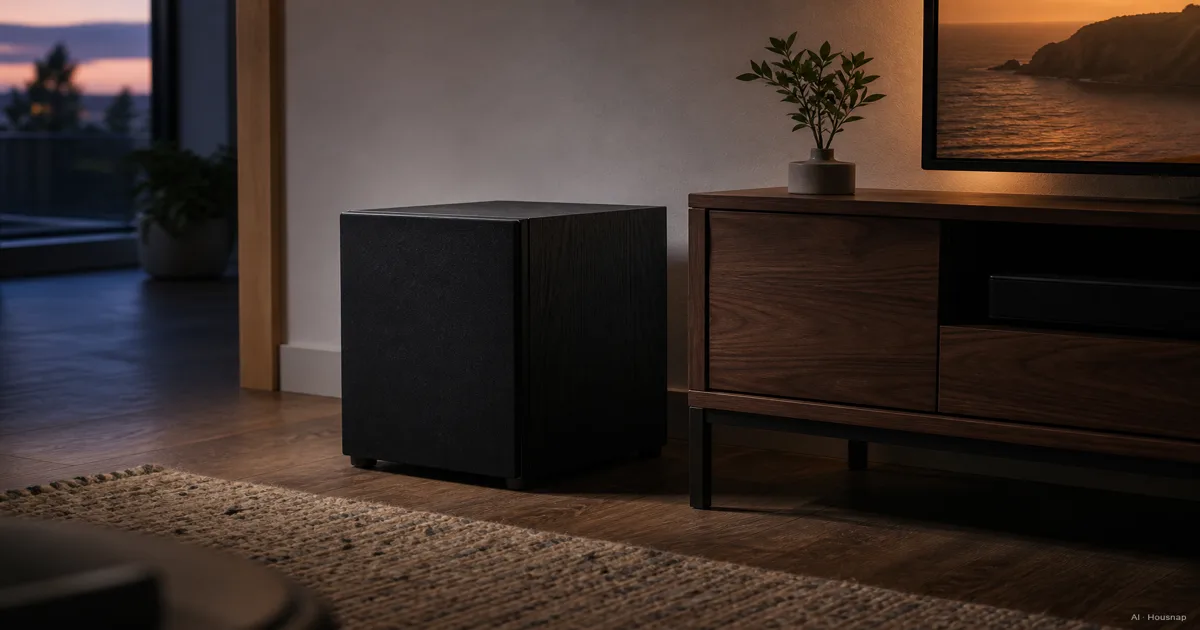
Disponíveis agora em uma única loja
No momento, cada um destes produtos está disponível em apenas uma loja. A comparação de preços abre com mais lojas.

Samsung
HW-S801D Powered 3.1.2-Channel Sound Bar and Wireless Subwoofer System with Wi-Fi, Dolby Atmos, and DTS:X
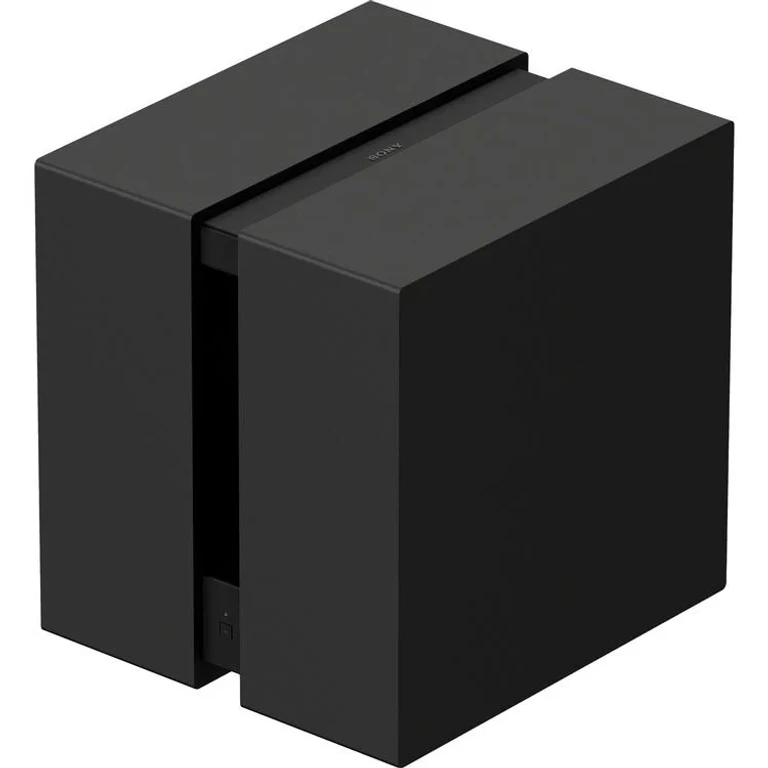
Sony
SA-SW9 BRAVIA Theater Sub 9 Wireless Subwoofer
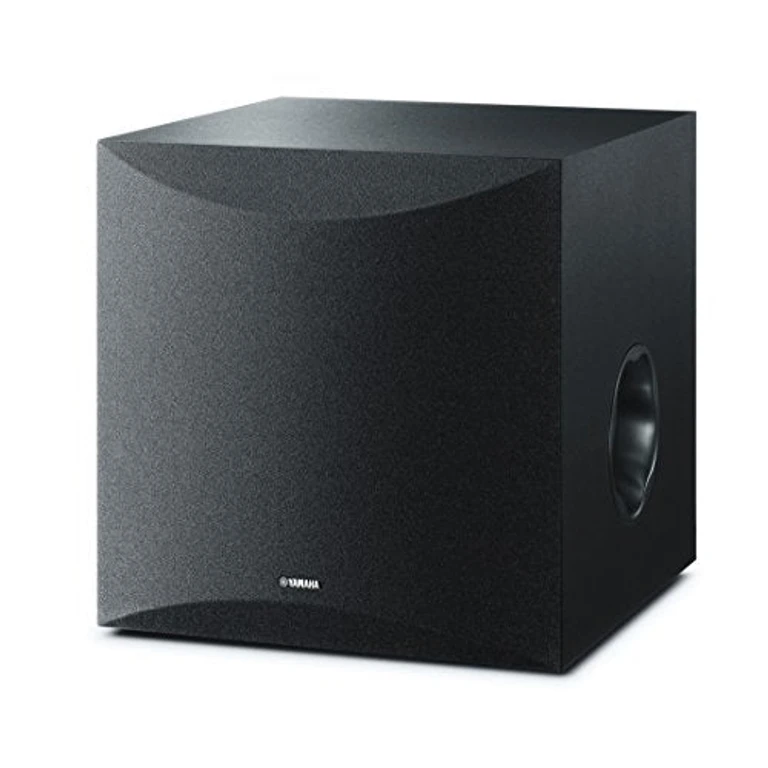
Yamaha
NS-SW100BL 10" 100W Powered Subwoofer (Black)
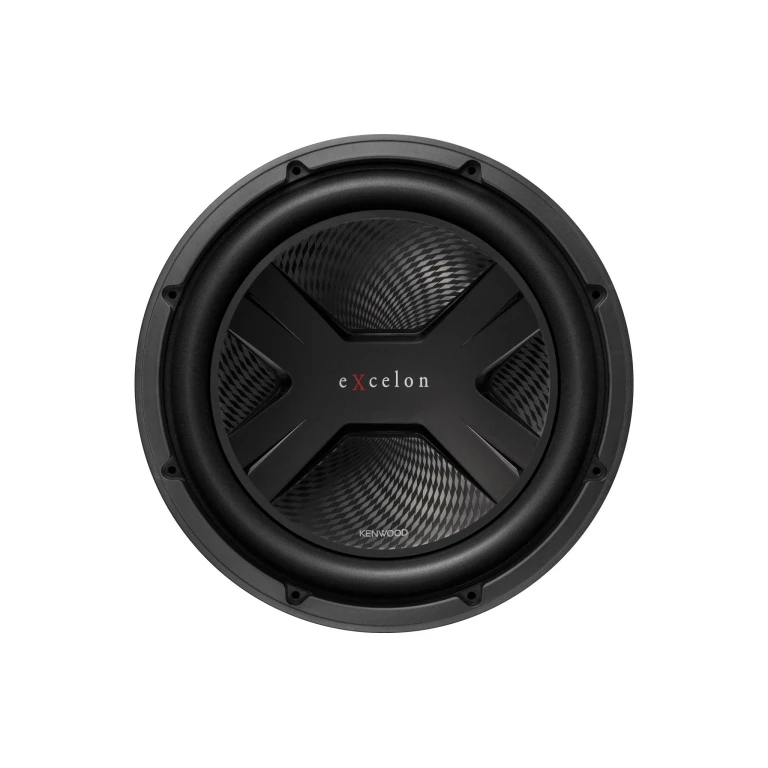
Kenwood Excelon
KFC-XW1241 Excelon Series 12" 4-ohm Component Subwoofer
What Size Subwoofer Do You Actually Need, Room Size and Driver Diameter
Driver diameter is the first number every listing leads with, and by itself it tells you almost nothing. Tie it to your room and it turns into the most useful spec on the page.
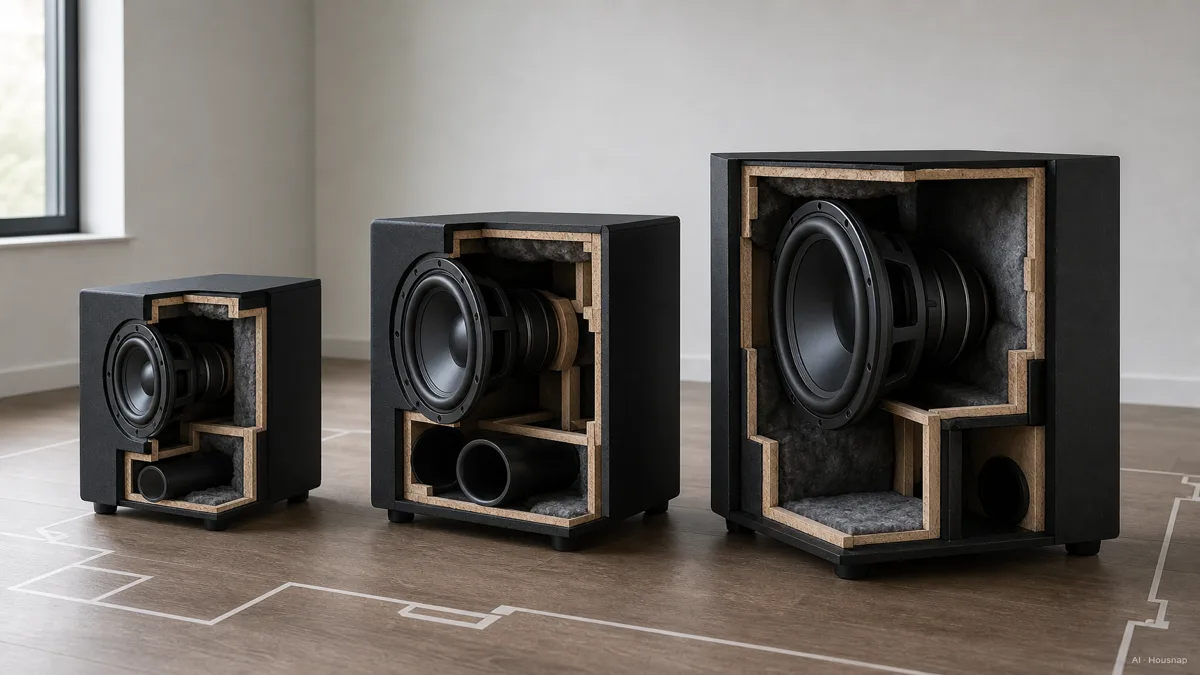
A small room, an apartment living room or bedroom under roughly 250 to 300 square feet, is well served by an 8 to 10-inch driver. A medium room, somewhere between 250 and 600 square feet, calls for a 10 to 12-inch driver. A large, open living room or finished basement over 600 square feet needs a 12 to 15-inch sub to actually fill the space with output rather than just noise, according to Crutchfield's home theater subwoofer buying guide and REL's sizing guide.
If your room lands in the ordinary range, something like 150 to 230 square feet, a 12-inch driver is the size most people end up buying, and there is a reason it is the size manufacturers build the most of. It balances price, output, and room-filling bass better than anything smaller, per Crutchfield. Going bigger than your room needs mostly buys headroom you will rarely touch. Going smaller means the driver works harder at the volume you actually want, and a subwoofer working that hard is usually the one that sounds strained.
Sealed vs. Ported, Which Sound Signature Fits Your Listening
This is the fork that actually decides how your subwoofer sounds, and neither side is objectively right. Each is right for something specific.
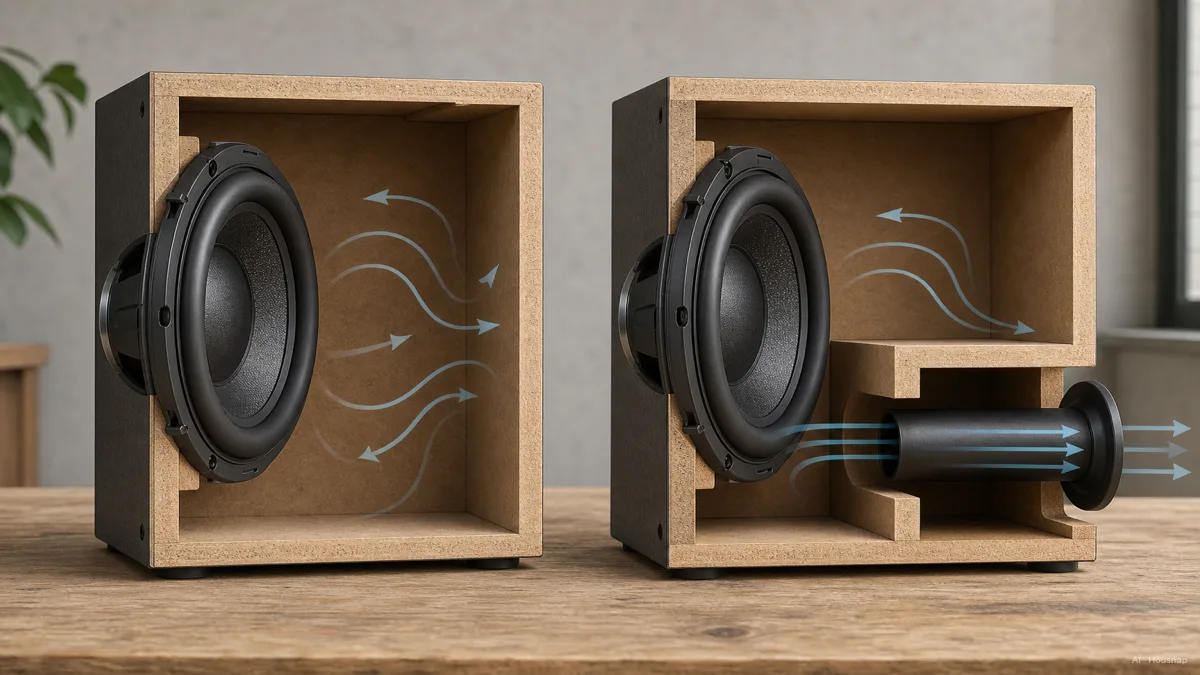
Sealed enclosures. A sealed subwoofer is a simple, airtight box, and that simplicity is the whole point. It delivers tighter, more accurate, more articulate bass, with less overhang and a shorter group delay, so the sound stops right when the source stops instead of ringing on for an extra beat, per SVS's sealed versus ported comparison and Audioholics. That precision is why two-channel and music-first listeners tend to land on sealed.
Ported enclosures. A ported subwoofer adds a tuned vent next to the driver, and that vent does real work. SVS measures 2 to 4 times more peak dynamic output in the 18 to 36 Hz octave than a sealed subwoofer at a similar price, and that octave is exactly where movie explosions and sub-bass hip-hop live. The cost is a sharper roll-off below the tuning frequency, so once you drop below where the port is tuned, the bass falls off fast instead of fading gently.
The genre-level version of this is honest enough to say out loud. Audioholics points sealed toward rock, jazz, country, and anything where accuracy matters more than raw weight, and ported toward hip-hop, EDM, and high-volume action movies, where more low end is the actual goal. If you cannot decide, think about what plays through your system most nights, not the soundtrack you wish you listened to more.
Powered vs. Passive, Why Almost Everyone Should Buy Powered
This is the one decision on this list that is basically already made for you.
A powered, or active, subwoofer has its amplifier built into the cabinet. You run a single cable, usually RCA or a dedicated LFE input, from your receiver or TV, plug it into the wall, and it works. World Wide Stereo's guide to choosing a subwoofer treats this as the default recommendation for almost every home buyer, and for good reason. A passive subwoofer has no amplifier of its own. It needs an external amp to drive it, wiring to match, and enough know-how to pair the two correctly, which is mostly a specialist setup for audiophiles building a separates system on purpose.
Unless you already own an amplifier you are trying to put to use, or you are assembling a serious separates system on purpose, buy powered. It removes an entire category of things that can go wrong.
Budget Tiers, What You Get at Each Price Point
Subwoofer pricing splits into three rough bands, and knowing which one you are shopping in saves a lot of wasted browsing.
Entry-level, roughly $150 to $300. This tier fits small spaces and budget builds well. Expect a smaller driver, a lighter amplifier, and fewer tuning controls, which is a fair trade if your room is on the smaller side anyway.
Mid-range, roughly $300 to $700. This is the tier World Wide Stereo's buying advice points most home theater buyers toward, and it is usually the best balance of driver size, amplifier headroom, and room-filling output for an average living room.
High-end, $700 and up. This tier is built for enthusiasts who want the lowest distortion and the deepest, cleanest extension a home subwoofer can produce. It is real money for a real, audible gain, but it is a gain most casual movie-and-music listeners will not need to chase.
Match the tier to your room size from the first section before you match it to your budget. A high-end subwoofer in a small bedroom is mostly wasted headroom.
Placement, Crossover, and Phase, Getting Clean Bass After You Buy
Buying the right subwoofer is maybe half the job. A great subwoofer shoved in the wrong corner can sound worse than a modest one placed well, and this is the part most first-time buyers skip because it feels like extra homework after the purchase is already made.
Bass frequencies are largely non-directional, which is the reason subwoofers get away with sitting almost anywhere in a room, unlike your main speakers. But that flexibility has a catch. Corners boost output by roughly 6 to 9 dB, and it feels like a shortcut to more bass, except corners also concentrate room modes, the sound waves bouncing back on themselves at specific frequencies. The result is usually boomy, uneven bass rather than clean low-end extension, per AudioCalcs's subwoofer setup guide.
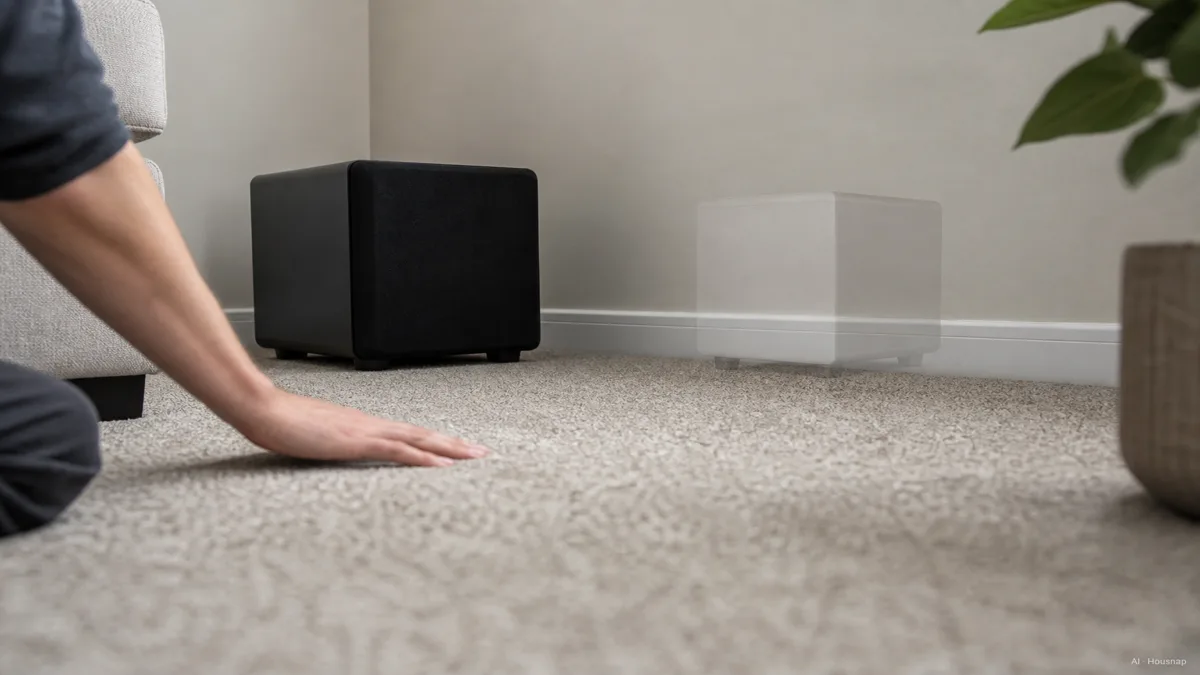
The most reliable way to find a good spot costs nothing but a little patience. It is called the subwoofer crawl. Put the subwoofer at your primary listening seat, play a bass-heavy track on a loop, then get down on the floor and crawl around the room listening for the spot where the bass sounds most even, not necessarily loudest. Put the subwoofer there instead. AudioCalcs walks through this as the standard DIY method, and it works because the bass response at floor height roughly mirrors what you hear at ear height.
Crossover frequency is the setting that decides where your main speakers stop and the subwoofer takes over, and it trips people up because it sounds like it should be complicated. THX sets 80 Hz as the reference standard, and the practical rule of thumb from SVS's crossover guide is to set the crossover about 10 Hz above the lowest frequency your main speakers can cleanly reproduce. In practice that breaks down by speaker type: on-wall or compact satellite speakers usually want 150 to 200 Hz, small bookshelf, center, and surround speakers want 100 to 120 Hz, and medium bookshelf, center, and surround speakers want 80 to 100 Hz, per SVS and AudioCalcs.
Last is phase, a simple 0 or 180 degree switch on the back of most subwoofers that is easy to ignore and worth a minute of attention. After you have placed the subwoofer, flip the switch and listen with the same bass-heavy track. The correct setting is whichever one makes the bass blend into the main speakers so completely that you cannot point to where it is coming from, per AudioCalcs. If the bass feels thin or seems to disappear at certain seats, try the other setting before touching anything else.
Put those three settings in order, size to room, sealed or ported, powered, then dialed-in placement and crossover, and you can start lining up specific models and comparing current prices across stores on Housnap with a real sense of what you are looking for.
Sources
- Home Theater Subwoofers Buying Guide — Crutchfield; room size to driver diameter brackets, 12-inch as the common sweet spot for an average room
- Sealed vs. Ported Subwoofers — SVS; tighter sealed bass and lower group delay versus 2-4x peak dynamic output and sharper roll-off for ported
- Tips for Setting the Proper Crossover Frequency of a Subwoofer — SVS; THX 80 Hz standard, the 10 Hz-above rule of thumb, crossover ranges by speaker type
- Sealed vs Ported Subwoofers, Which Is Right For You? — Audioholics; accuracy versus output tradeoff and genre-level listening preferences
- What Size Subwoofer Do I Need — REL; room size brackets for driver diameter
- Subwoofer Setup Guide, Placement, Crossover, and Calibration — AudioCalcs; corner boost and room modes, the subwoofer crawl method, phase adjustment by ear
- 5 Things to Listen for When Choosing a Subwoofer — World Wide Stereo; powered versus passive recommendation and price-tier framing