Produtos atuais para comparar
Estes produtos vêm dos resultados da Housnap para este tema.
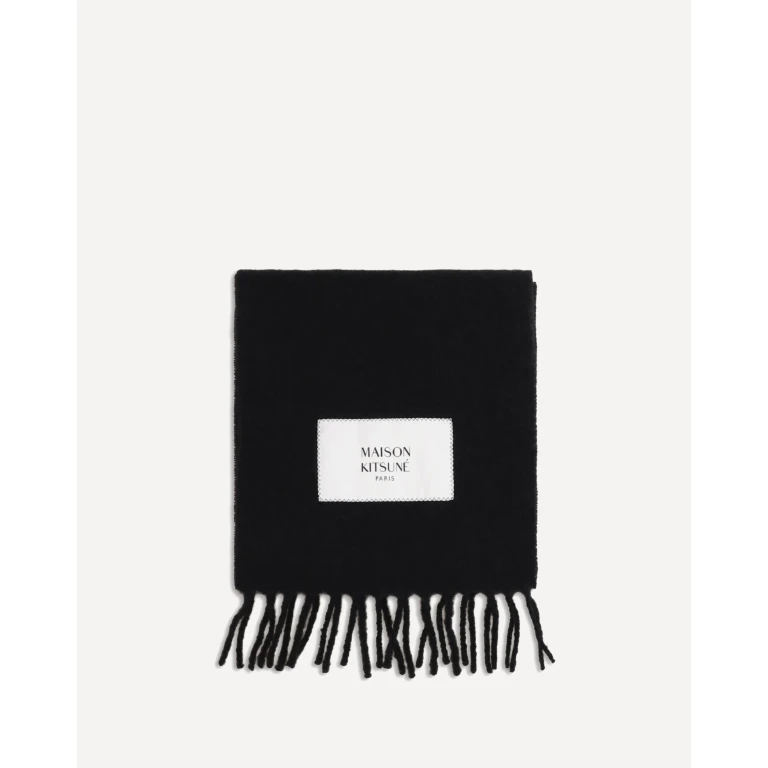
Maison Kitsuné
Cachecol de baby alpaca Maison Kitsuné
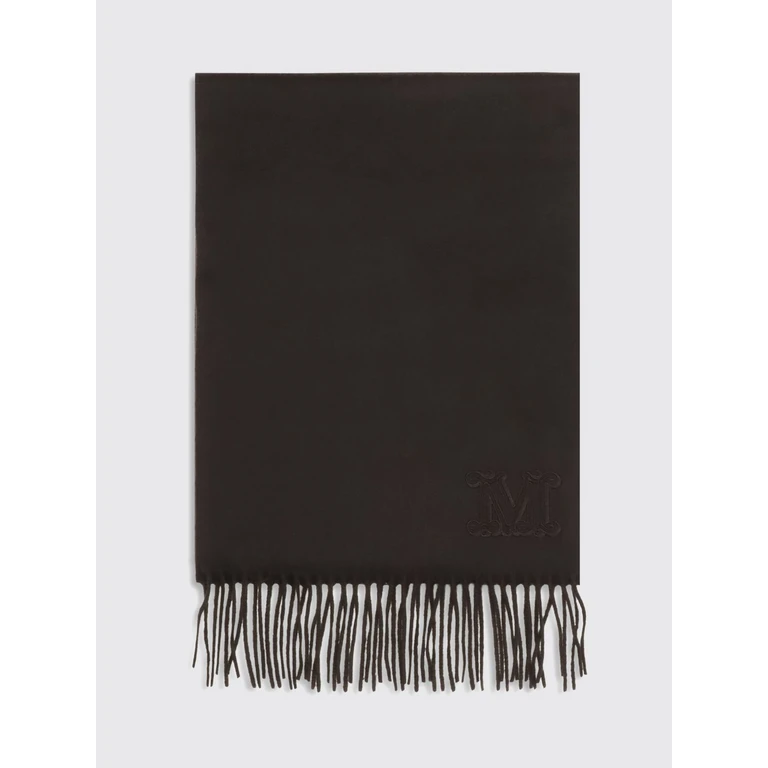
Max Mara
Cachecol de 100% puro caxemira com detalhe de logotipo bordado
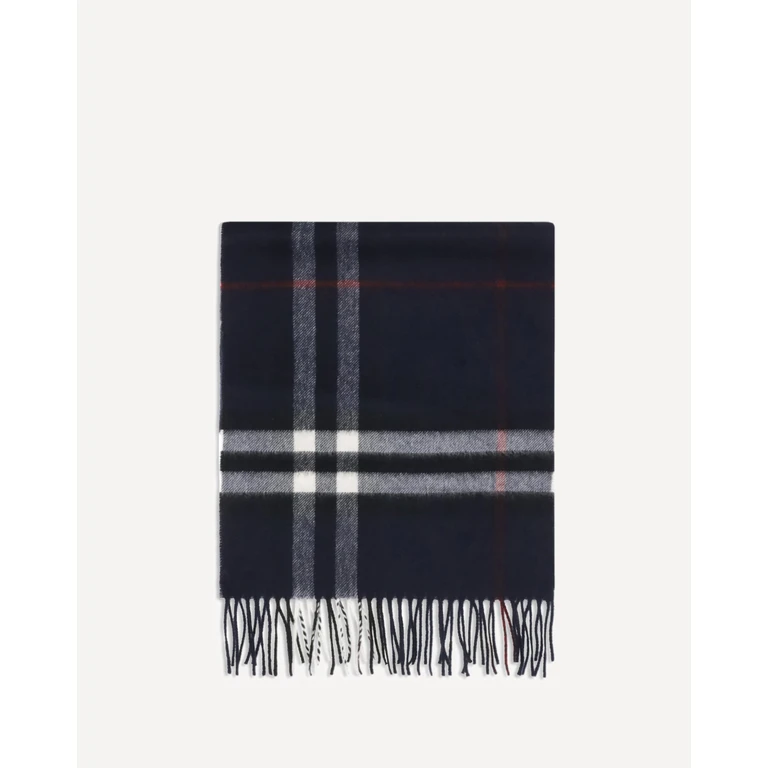
Burberry
Cachecol Burberry Check em Caxemira
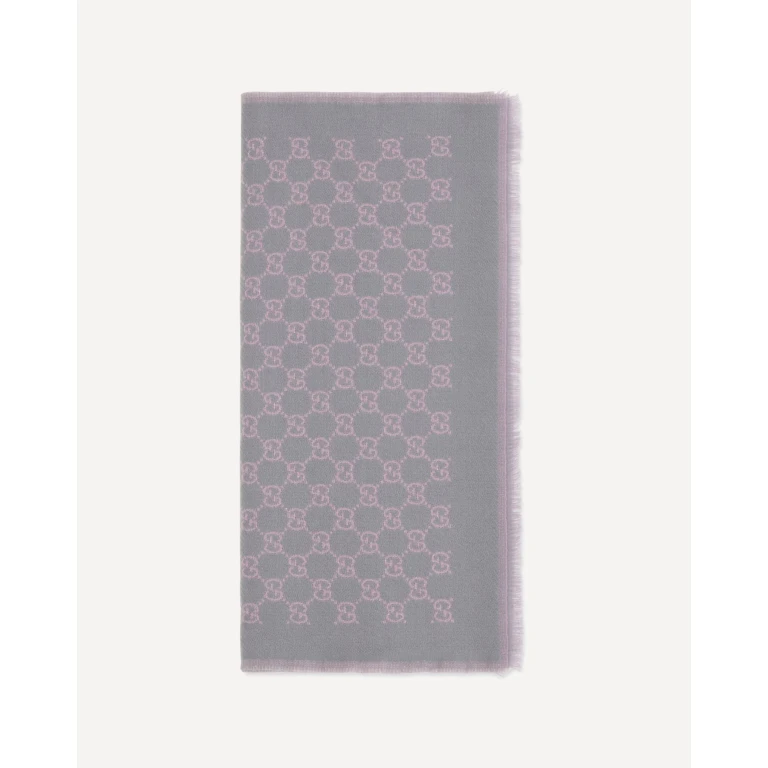
Gucci
Cachecol de lã Gucci Miss Stenny com monograma GG
Choose the job before the material
Picture the outfit and journey you want this scarf for. A cold walk to work and a light scarf worn with a shirt call for different shortlists.
- Everyday winter wear. Start by comparing wool scarves, including Merino, within your budget. Merino helps manage moisture vapour and temperature, which makes it a useful candidate when moving between outdoors and heated rooms. That is not a waterproofing claim. Woolmark explains these properties.
- Warmth with a softer feel. Include cashmere in the same shortlist. It provides insulation, but decide whether the particular scarf feels worth the extra spend to you. CCMI discusses cashmere’s properties.
- A light accent for an outfit. Start with silk if you mainly want colour, pattern or a flowing drape. Look at the actual fabric: Liberty’s silk crepe de chine, for example, has a lightweight drape and subtle sheen. That description does not apply to every silk weave. Liberty’s fabric guide.
If you need only one winter scarf, compare wool and cashmere first. If warmth is already covered and you want something to tie with a shirt or jacket, silk can be your first purchase rather than a later upgrade.
Try the fabric against your neck and under your coat
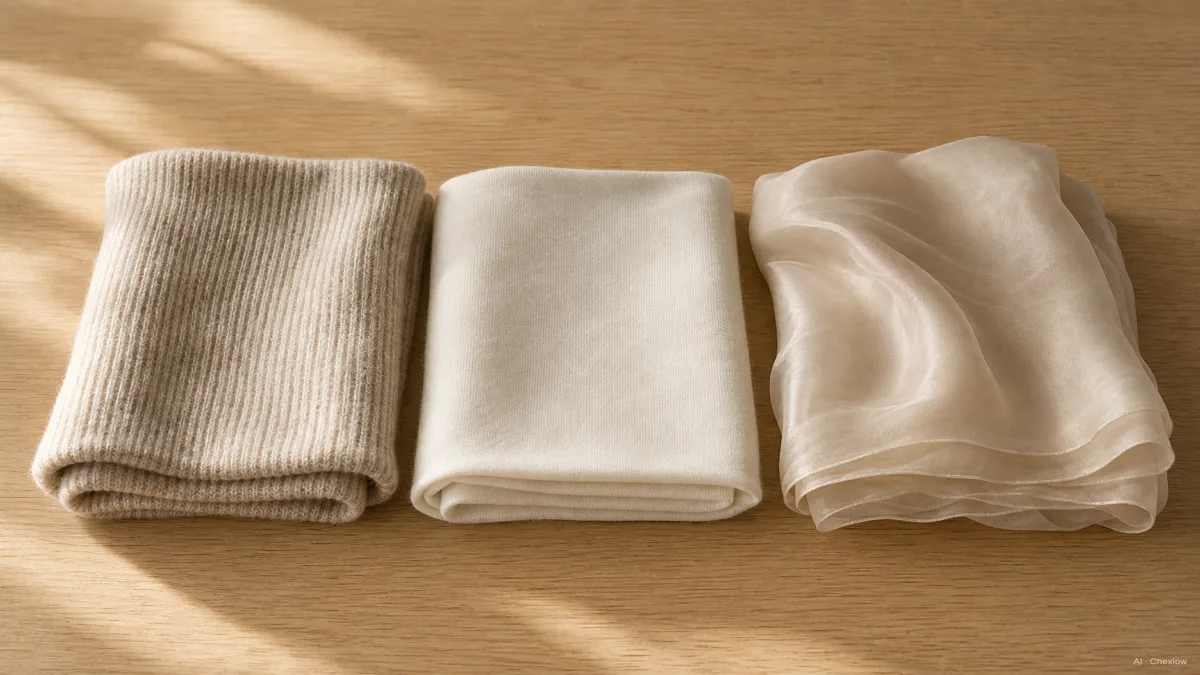
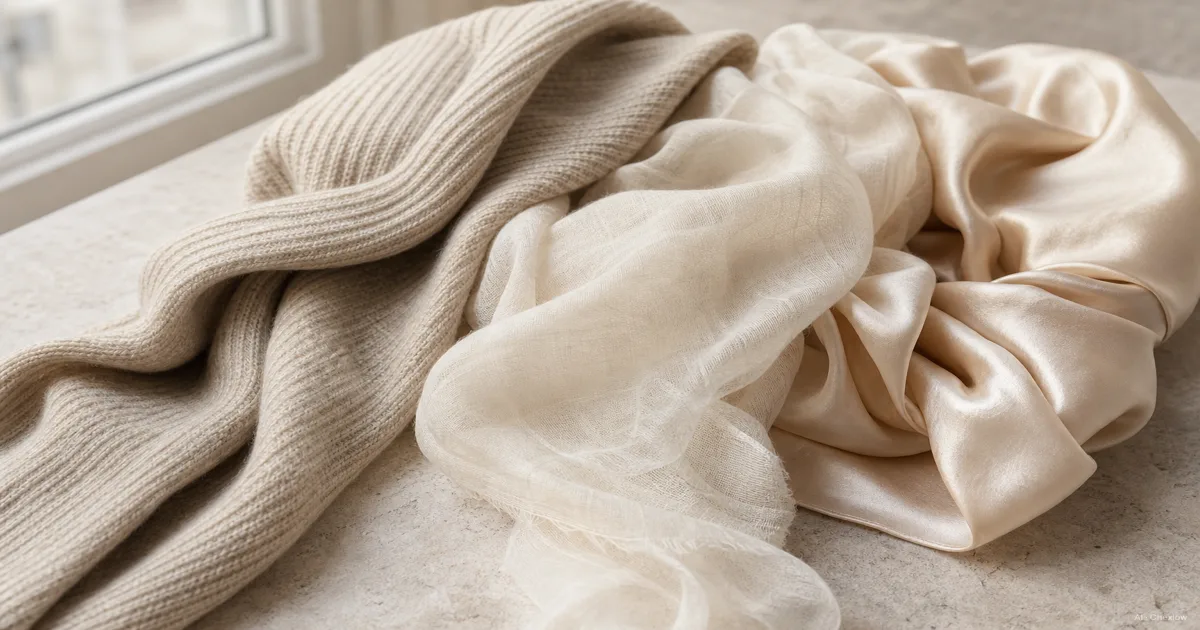
The illustration separates three textures; it cannot tell you which finished scarf will feel comfortable. Where the shop permits, try the scarf at your neck rather than judging it only with your fingertips.
Fine Merino fibres bend readily. Woolmark connects softness and prickliness with fibre diameter, measured in microns, rather than simply the material name. A micron is one millionth of a metre. Use a published diameter as supporting information, not a promise that your skin will like the scarf. Woolmark’s softness guide.
- Check contact. Does the fabric, edge or label bother your neck? Do not buy an uncomfortable scarf on the assumption that a more expensive fibre must suit you.
- Check coverage. Wrap it as you intend to wear it. Is there enough length left to tie it without pulling tightly?
- Check bulk. Close your usual coat over it. If the collar feels crowded, compare a narrower or thinner scarf before changing materials.
For an online purchase, look for dimensions and close-up fabric photographs, and check the return conditions before ordering.
Read the specification before paying a premium
Compare full fibre percentages, dimensions and construction before comparing prices. Ask for missing details rather than treating a luxurious description as a specification.
For cashmere, CCMI identifies fibre length as relevant to pilling and explains that additional yarn plies do not automatically add quality. “Ply” describes strands twisted together into yarn. A bigger number is not a complete quality verdict. CCMI’s purchasing guide.
For silk, ask which fabric you are buying and examine its appearance when folded or tied. The sheer silk in the illustration is one example, not the appearance of all silk scarves. Check whether you want transparency, a visible print or a quieter surface before choosing.
Keep two finalists with the same intended use. Pay more only when you can name the difference you value, such as a preferred feel, useful dimensions or a finish you like. If you cannot, the higher price has not yet earned a place in your decision.
Make care part of the final choice
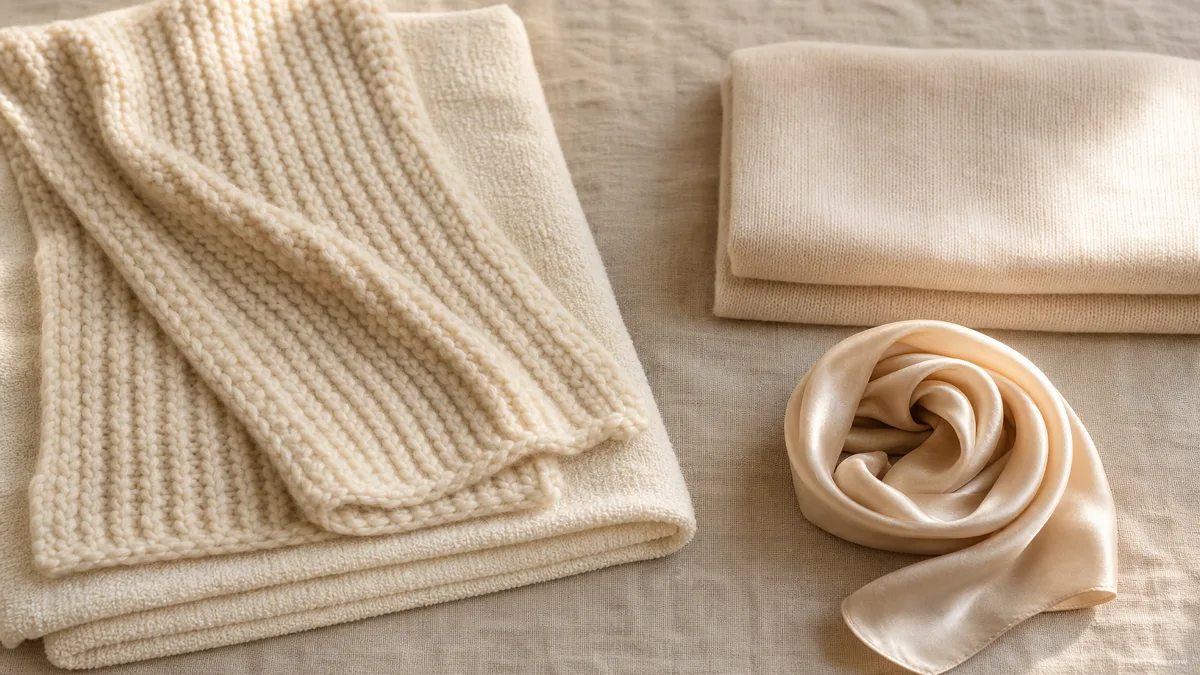
Read the care label before buying. The illustration shows care arrangements, not permission to wash every scarf at home.
Johnstons of Elgin recommends hand washing its knitted cashmere but dry cleaning its woven cashmere and Merino accessories. The same fibre name can therefore lead to different care instructions. Johnstons of Elgin’s care FAQ.
For its Selle en Eclats silk scarf, Hermès specifies professional dry cleaning and flat, untied storage. Treat this as a product-specific example, not a rule for every silk scarf. Hermès product care.
- Home washing is essential. Choose a scarf whose label explicitly permits your intended method.
- Professional cleaning is acceptable. Include its cost and inconvenience when comparing your finalists.
- The instructions are missing. Ask the seller before purchasing; do not infer washability from “wool,” “cashmere” or “silk.”
If you choose silk, the next practical question is how to clean and store your silk scarf. Keep its own care label and manufacturer’s instructions ahead of any general washing advice.
Choose the finalist that passes your neck, coat and care checks. You do not need to buy all three materials to make a good first choice.
Como este guia foi construído
This guide was written by AI for Housnap, using Woolmark and CCMI material guidance alongside published fabric and care information from Liberty, Johnstons of Elgin and Hermès. The shortlist and try-on checks are editorial guidance for a first scarf purchase, not results from product testing or a new human review.