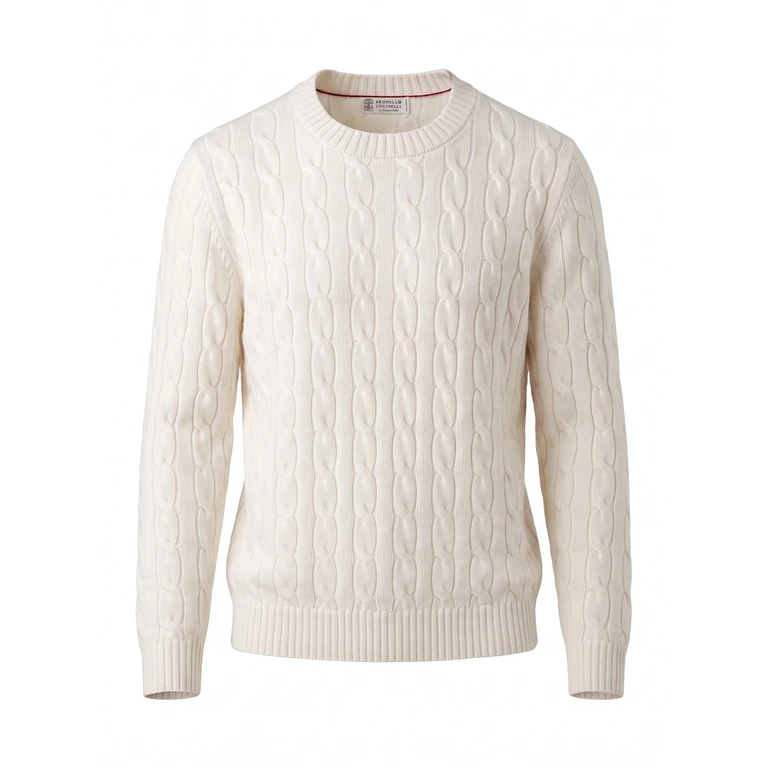
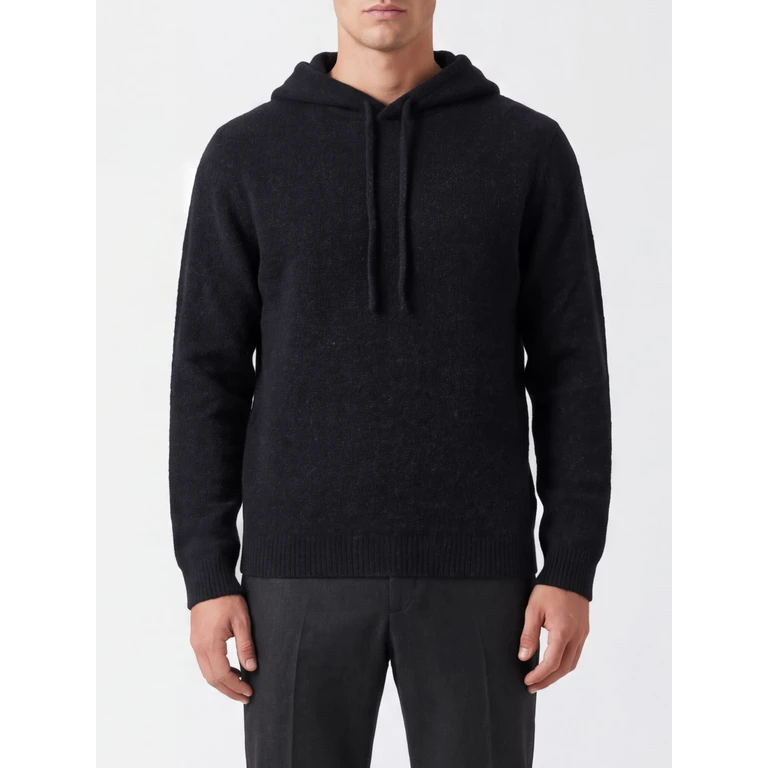
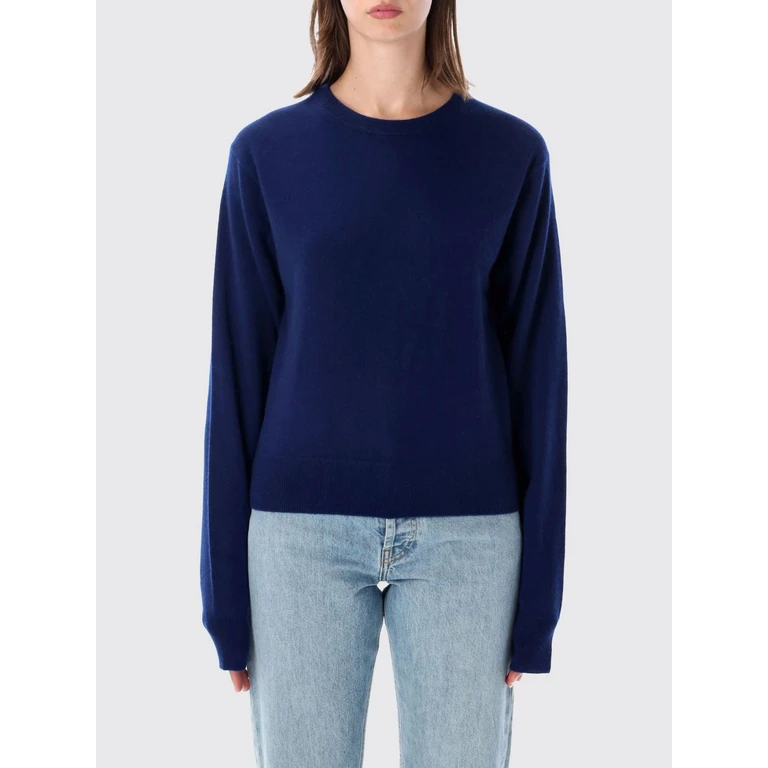
Produtos atuais para comparar
Estes produtos vêm dos resultados da Housnap para este tema.

Start with the outfit you need
Pick a job for the sweater before picking a fibre. These are starting points for your shortlist, not a ranking of every garment made from each material.
- Under a jacket. Try a fine-knit merino sweater first. Check that the sleeves fit comfortably underneath your usual outer layer.
- Over a shirt. Put a textured lambswool sweater on the shortlist. Try it over the shirt you expect to wear, including at the collar and cuffs.
- Softness is the reason to spend more. Compare cashmere directly with a fine merino candidate. Keep the cashmere only if you prefer its feel enough to justify the cost and care.
Still deciding how you want to put on and remove that layer? Compare a cardigan with a pullover before narrowing the material further.
Separate the fibre name from skin comfort
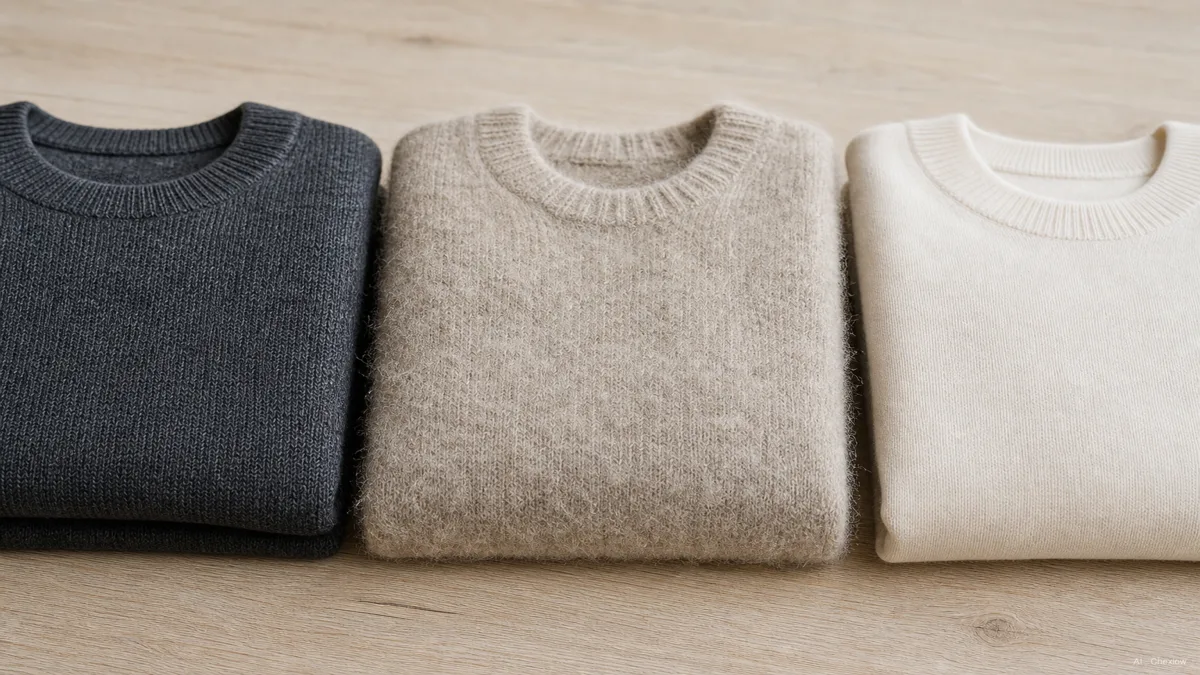
Merino names a breed of sheep. Lambswool describes wool from a lamb’s first shearing. Those descriptions can overlap; they do not identify two different animal species. Cashmere comes from the fine undercoat of cashmere goats.
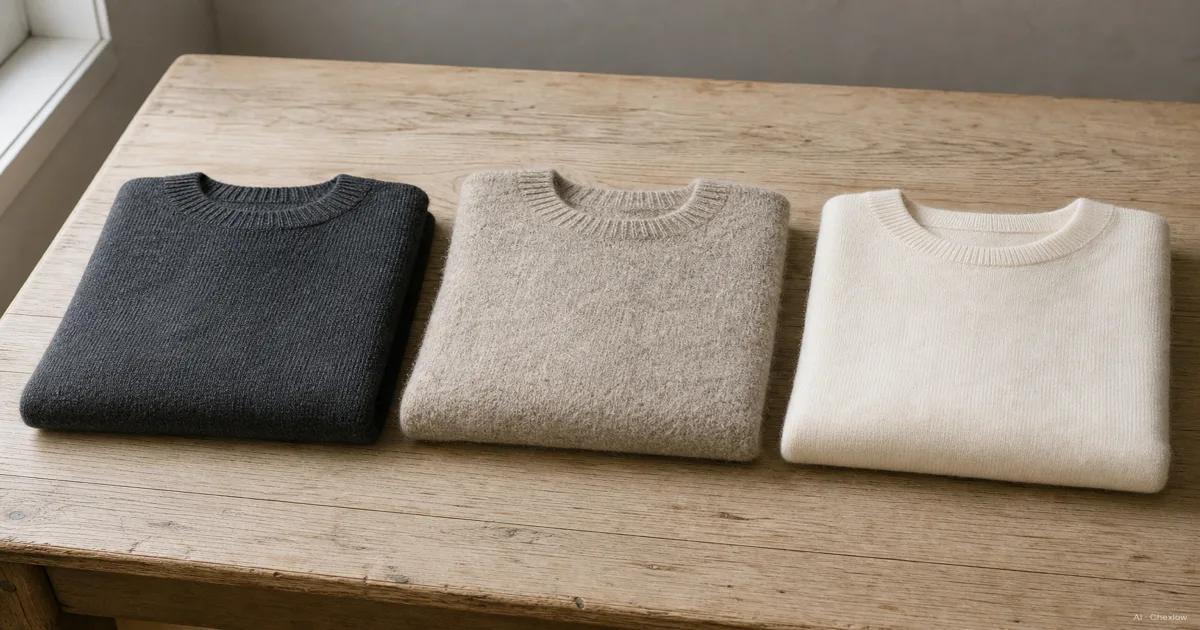
The illustration shows contrasting finishes, not a way to identify fibres by sight. Use the composition label for that.
For comfort, fibre diameter matters. It is measured in microns, and coarser fibres can feel prickly, as Woolmark explains. A material name alone cannot promise that your neck will feel comfortable.
Try the neckline against the skin it will actually touch. If it prickles, choose another garment or a neckline that stays over your shirt. When buying online, check return conditions before relying on “soft” in the description.
Compare the whole knit for warmth and wear
For warmth, inspect thickness, coverage and how the sweater fits into your outfit. Wool’s natural waviness helps trap insulating air, but that is not a warmth rating for a finished sweater. Do not choose a thin cashmere piece expecting the fibre name to replace the bulk of a winter knit.
For wear, look beyond the promise of a durable material. Woolmark identifies friction as a cause of pilling and lists fibre length, yarn twist and fabric cover among the construction factors that can reduce it.
Ask for close-up photographs of the knit and seams. On the garment, inspect cuffs, joins and any uneven or loose areas. These checks help you reject visible problems; they cannot certify its lifespan or guarantee a pill-free surface. If a bag will rub against the sweater every day, include that in your expectations for upkeep.
Decide what the extra money buys
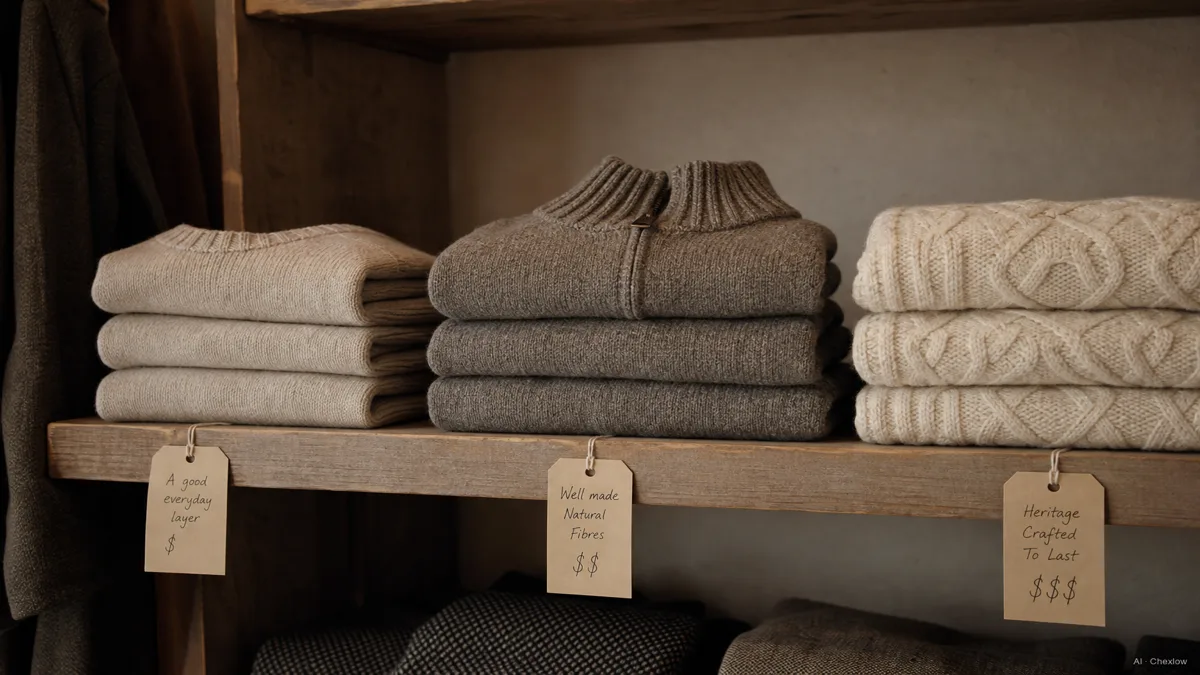
Treat the three price tags as a reminder to compare value, not as fixed price bands for the three fibres. Set your budget, then compare garments of a similar shape and thickness.
- Read the full composition. “Cashmere blend” is not enough information. Look for each percentage; the FTC’s US labelling guidance explicitly distinguishes blends from pure cashmere.
- Ask what a quality claim means. If a seller uses a grade, ask which measurements or standard it refers to. Johnstons of Elgin describes selecting its cashmere by colour, fineness and length, illustrating why a material name is only part of the specification.
- Name your reason to pay more. Better fit, a preferred texture or clearer product information is a usable reason. An unexplained premium label is not enough to make the decision.
A blend belongs on the shortlist if you like the actual garment. Compare its full composition rather than assuming a small cashmere content makes it equivalent to pure cashmere.
Make care the final buying check
If machine washing is essential, make it a condition of purchase. Woolmark’s washing guidance starts with checking that the garment permits it and recommends flat drying for knitwear. “Merino” alone is not permission to use the machine.
Ask for a photograph of the care label if it is missing from the listing. Consider where you will dry the sweater and whether you will follow its specified cleaning method. If the answer is no, change the candidate before spending more on the fibre.
For a merino or lambswool choice, continue with washing, pilling and storage for wool sweaters. For cashmere, read how to care for your first cashmere piece. Keep your own garment’s label as the deciding instruction.
Buy when the sweater passes all three checks: it works in your intended outfit, feels comfortable where it touches skin, and fits a care routine you will actually follow.
Como este guia foi construído
Written by AI for Housnap, this guide uses Woolmark’s fibre and care information, FTC composition guidance, and knitwear manufacturers’ explanations. It turns those sources into a first-purchase comparison of comfort, construction, budget and care; the shortlist recommendations are editorial judgments, not results of product testing.