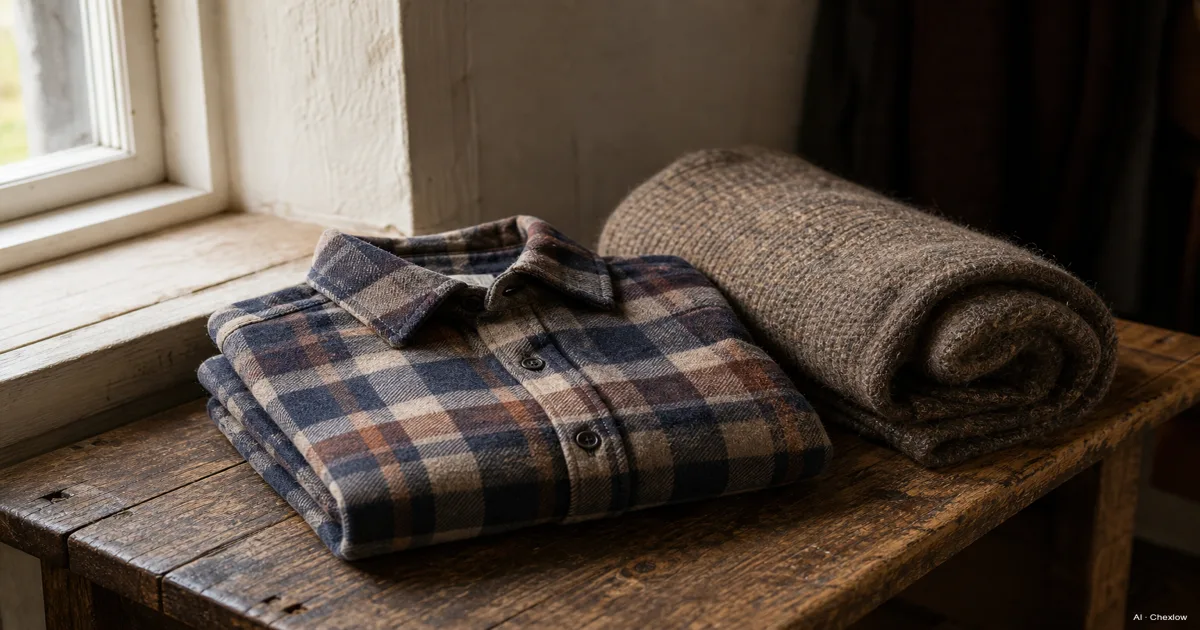
Disponíveis agora em uma única loja
No momento, cada um destes produtos está disponível em apenas uma loja. A comparação de preços abre com mais lojas.
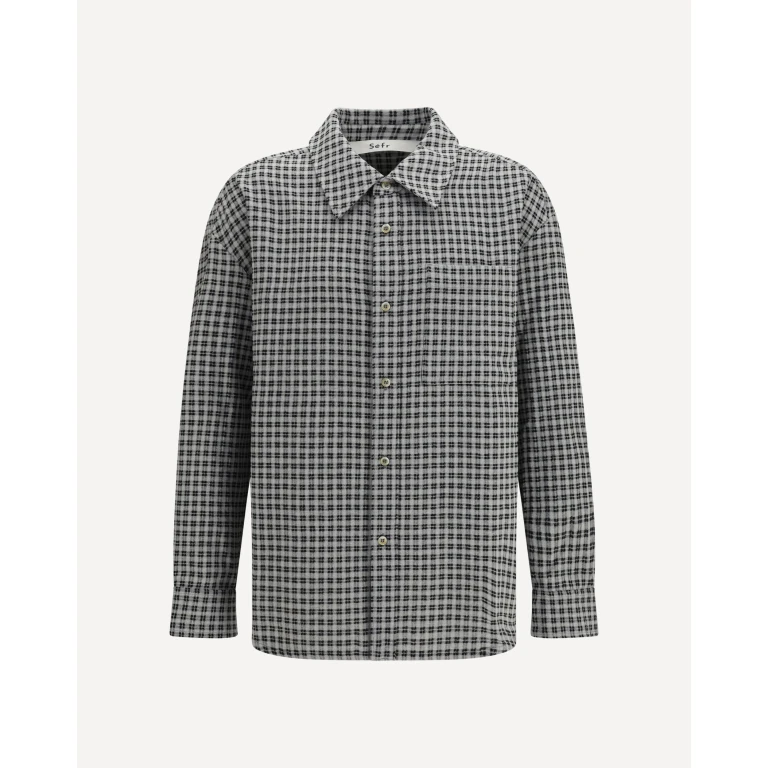
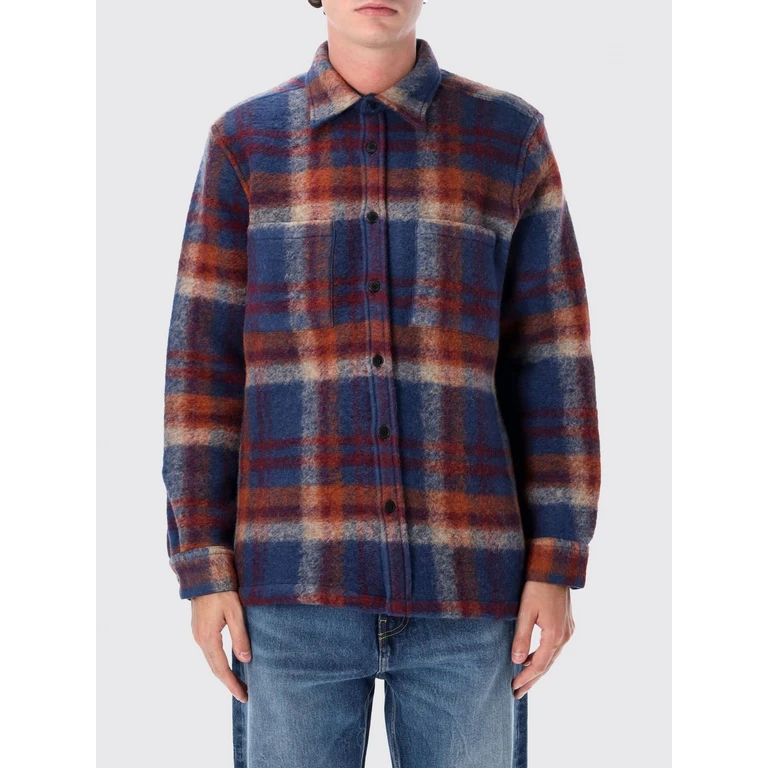
Decide whether you need a shirt or an outer layer
Picture the outfit you want to wear tomorrow. Will this replace your usual button-up, sit under a coat, or go over a sweater? That decision narrows the search more usefully than the plaid.
- Everyday shirt. Start with a regular-cut cotton flannel. Try it buttoned, and check the hem both tucked and untucked if you wear shirts both ways.
- Outer layer. Compare flannel overshirts and shirt jackets, often called shackets, with room for the clothes you intend to wear underneath. Look for that room in the measurements, not just the name.
A shirt can do both jobs: UNIQLO describes its cotton flannel as suitable alone or as a light outer layer. You do not automatically need a second garment.
Flannel names a fabric, not a fiber or a check pattern (fabric definition). If you mainly need a shirt for hot weather, compare linen and cotton shirts before committing to a fuzzy flannel.
Choose the fiber and the laundry routine together
For a first everyday shirt, washable cotton is a useful starting shortlist. Make washability a condition of your purchase, though, rather than assuming every cotton shirt accepts the same treatment. For example, the Patagonia Fjord’s instructions allow cold machine washing and low tumble drying.
Wool can be your first choice if you prefer the particular shirt’s feel and accept its care requirements. It is not automatically dry-clean-only: Pendleton distinguishes washable wool garments from dry-clean-only pieces. Its washable shirts have a shrink-resistant finish; follow the individual tag.
Before choosing cotton, wool or a blend, ask to see the fiber percentages and care label. If the seller only says “soft blend,” you still do not have enough information. If you dislike wearing a fabric against your neck or wrists, try it with your intended underlayer before buying.
Compare fabric weight, not the weight of the whole shirt
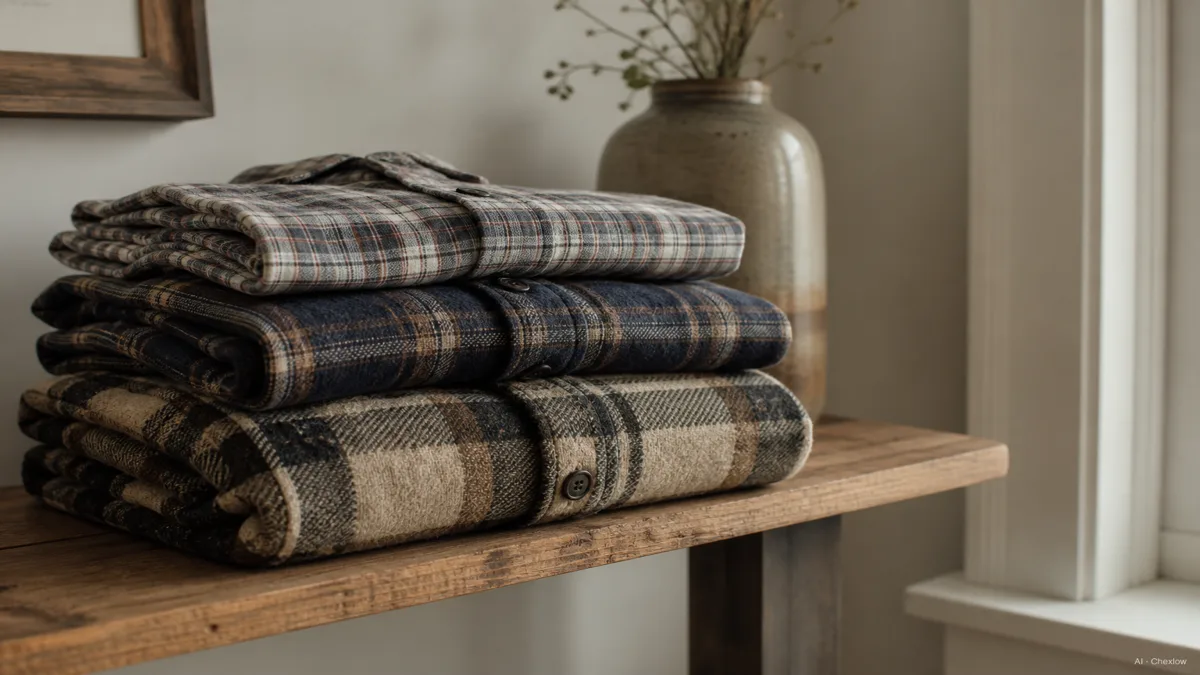
Two weight figures on one page can describe different things. The Fjord specification lists 7.1-oz fabric separately from a 465 g garment. Do not compare those numbers directly.
GSM means grams per square meter. For ounces per square yard, multiply by about 33.906 (NIST conversion factors).
- 5 oz/yd² ≈ 170 GSM.
- 7 oz/yd² ≈ 237 GSM.
- 12 oz/yd² ≈ 407 GSM.
These are conversions, not quality grades or temperature ratings. If a listing says only “oz,” confirm whether it means fabric weight or total garment weight.
For indoor wear and layering under a coat, start by trying the lighter of otherwise comparable candidates. For a substantial outer layer, include a heavier candidate, then test it over your actual clothes. Do not reject a shirt just because its weight is unpublished; ask for the specification or assess it in person. The folded shirts illustrate bulk, not a measurable weight scale.
Check what “brushed” means on this particular shirt
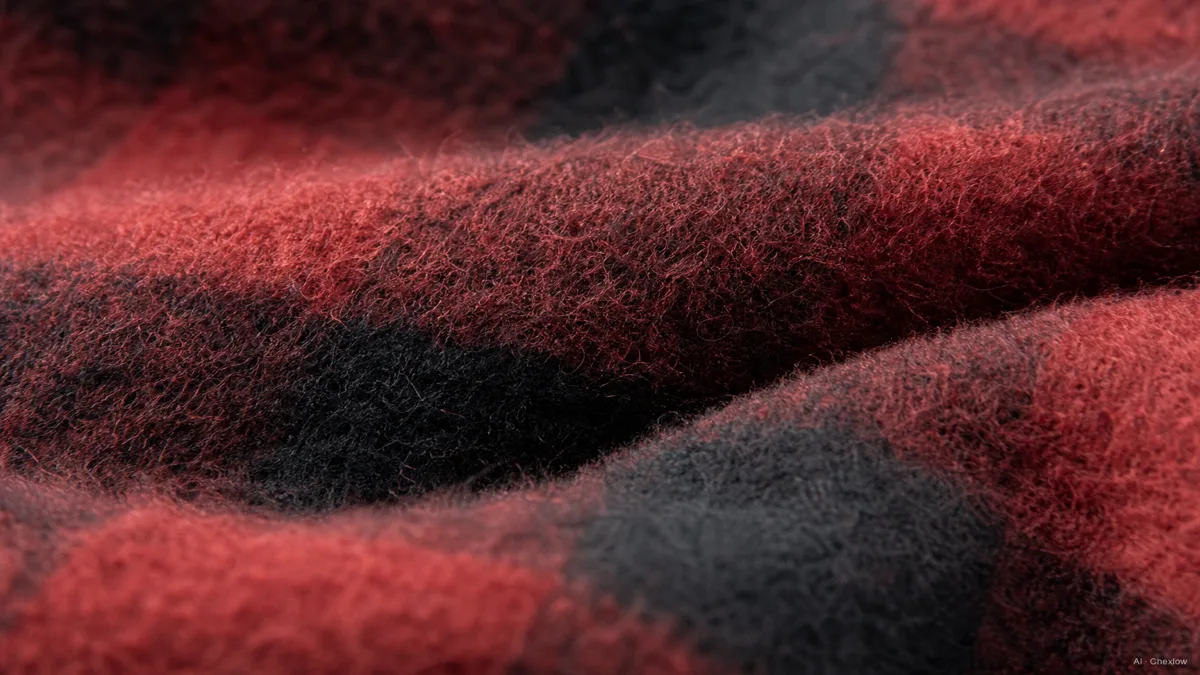
Brushing raises surface fibers to make the fabric feel softer (MuskOx’s explanation). The close-up illustrates that raised nap. It cannot tell you how a shirt will wear after washing.
Read the full finishing description. Iron Heart’s 12oz Ultra Heavy Flannel is brushed on the face and double-brushed on the reverse. So “double-brushed” alone does not tell you which sides were treated.
Feel the inside as well as the outside, especially at the collar and cuffs. Then look past the fuzz: inspect stitching for gaps, check that buttons are secure and try each buttonhole. Treat “heavyweight” and “double-brushed” as details to investigate, not a promise of durability. A soft surface is one reason to like a shirt, not a reason to skip the rest of the checks.
Match the measurements, then make the buying decision

Use the outfit in the illustration as a fitting prompt: bring the T-shirt or sweater you actually plan to wear underneath. Button the flannel, reach forward and sit down. If the front pulls or the upper arms restrict you, compare another size or cut rather than assuming the shirt will stretch into place.
For online shopping, use a comfortable shirt you already own as your reference. Check whether the chart gives body measurements or finished-garment measurements, and reproduce the seller’s measuring method.
- Chest. P2P means the flat width from armpit to armpit in Iron Heart’s measuring guide. Do not compare it directly with your body’s chest circumference.
- Sleeves. That guide measures from the shoulder seam; MuskOx measures from the back neck. Match the starting point before comparing numbers.
- Length and layering. Check the hem and cuff position in the intended outfit. A heavier fabric is not a reason by itself to size up.
Buy when the intended layers fit, the inside feels comfortable and the care instructions suit your routine. Pause when the size chart or wash instructions remain unclear; request those details and check the return conditions.
If trying a shirt jacket reveals that you really want an insulating layer rather than a button-up, the next comparison is full-zip fleece versus a pullover.
Como este guia foi construído
AI wrote this guide for Housnap, using manufacturer descriptions from Patagonia, Pendleton, UNIQLO, Iron Heart and MuskOx, a fabric reference and NIST unit conversions. The advice focuses on choosing and checking a first flannel; it is an editorial interpretation of those sources, not a hands-on product test.