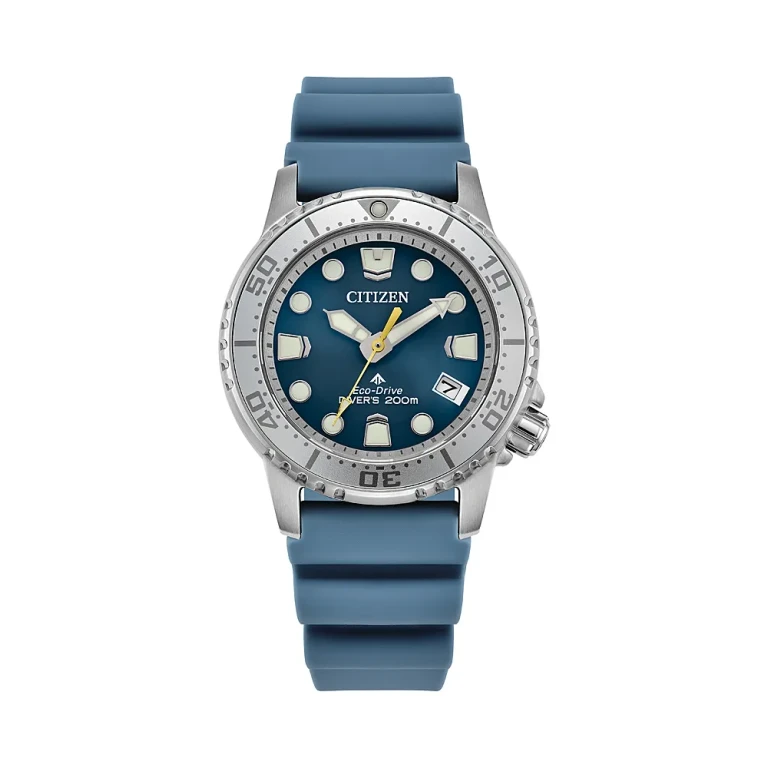
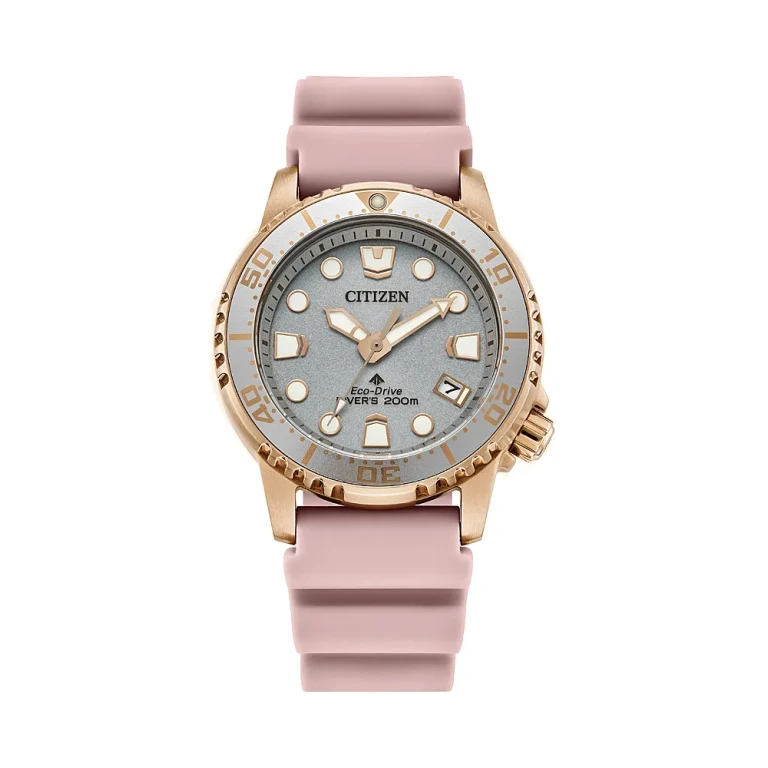
Disponíveis agora em uma única loja
No momento, cada um destes produtos está disponível em apenas uma loja. A comparação de preços abre com mais lojas.


Choose the situation your first watch must handle
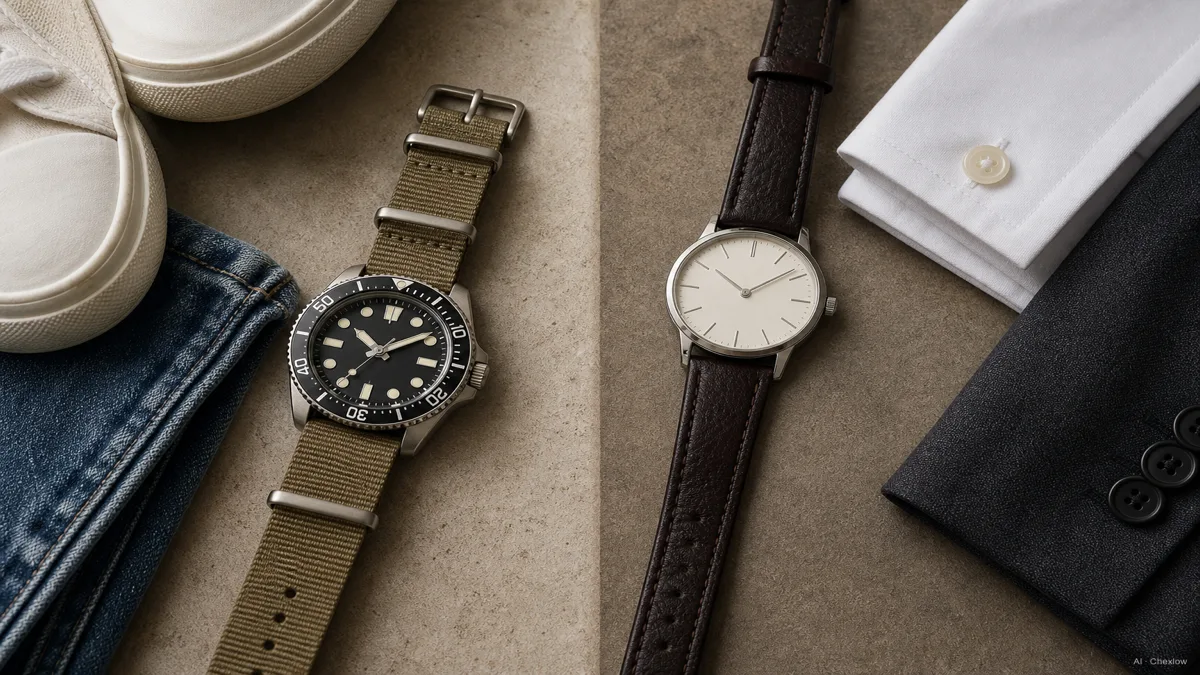
Think about an ordinary week, then name the occasion on which you would be least willing to take the watch off. That gives you a more useful starting point than deciding which category is more prestigious.
- Start with a diver. You want a sporty watch and intend to wear it in water. Put models approved for your particular activity on the shortlist, then check whether their size works for everyday wear.
- Start with a dress watch. You mainly want a watch for shirts, tailoring or occasions where you prefer something discreet. Make cuff clearance your first fitting check.
- Keep both in contention. Your week mixes casual clothes and office wear, with no demanding water requirement. Try one of each with your usual outfit before committing to a category.
These are selection priorities, not dress-code rules. For a formal event, consider the stated dress code and the complete outfit. You do not need to buy two watches just because the illustration shows two different settings.
Separate the diver look from permission to use it in water
A rotating ring around the dial is not enough evidence for a water-use decision. Open the exact model’s instructions and look for your activity: swimming, scuba diving or neither.
ISO 6425 covers divers’ watches designed for at least 100 m, with a secured diving-time system visible in darkness. A depth number alone does not establish that the watch meets that standard.
Seiko’s water-resistance chart separates ordinary 10/20-bar ratings from scuba-diver ratings and notes that water resistance is not permanent. Use the manufacturer’s instructions for the model you are considering, particularly if buying used.
The bezel also needs interpreting correctly. Seiko’s 6L37 manual describes elapsed minutes, not remaining air. Its counterclockwise rotation prevents accidental movement from understating elapsed time; the reading remains only a guide during diving.
Check the supplied strap separately. Seiko advises against swimming with its leather bands, even when the watch is water-resistant. For a swimming shortlist, look for a complete watch-and-band combination whose instructions permit that use.
Compare the fit with your own wrist and cuff
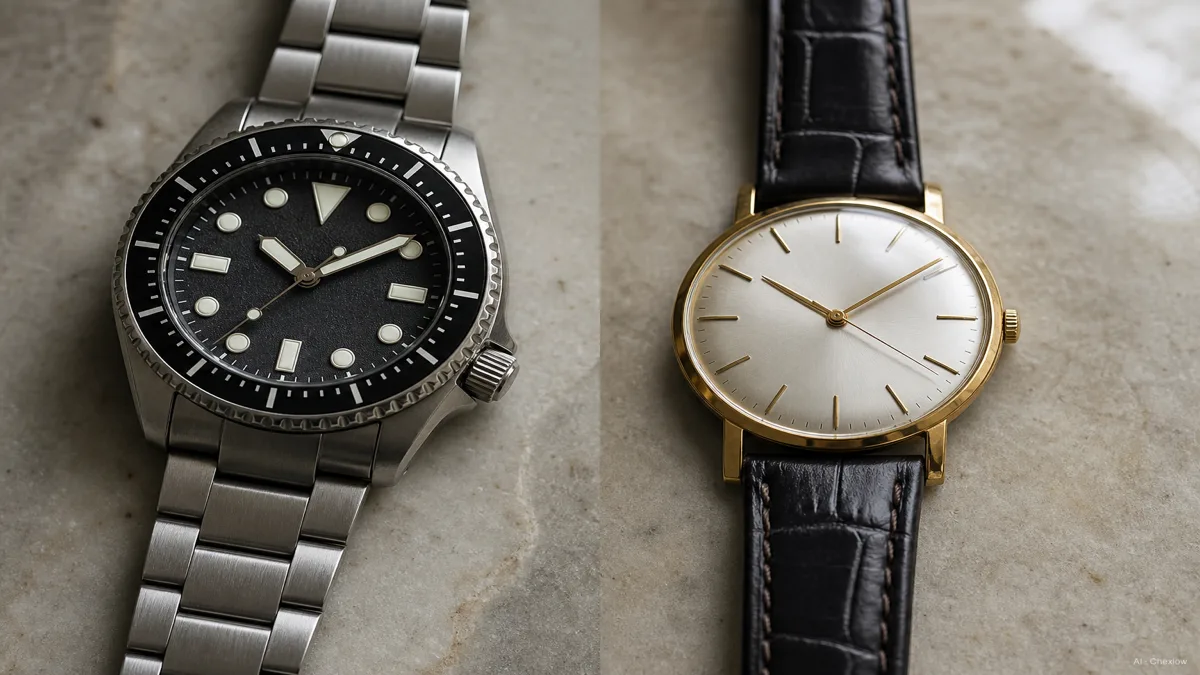
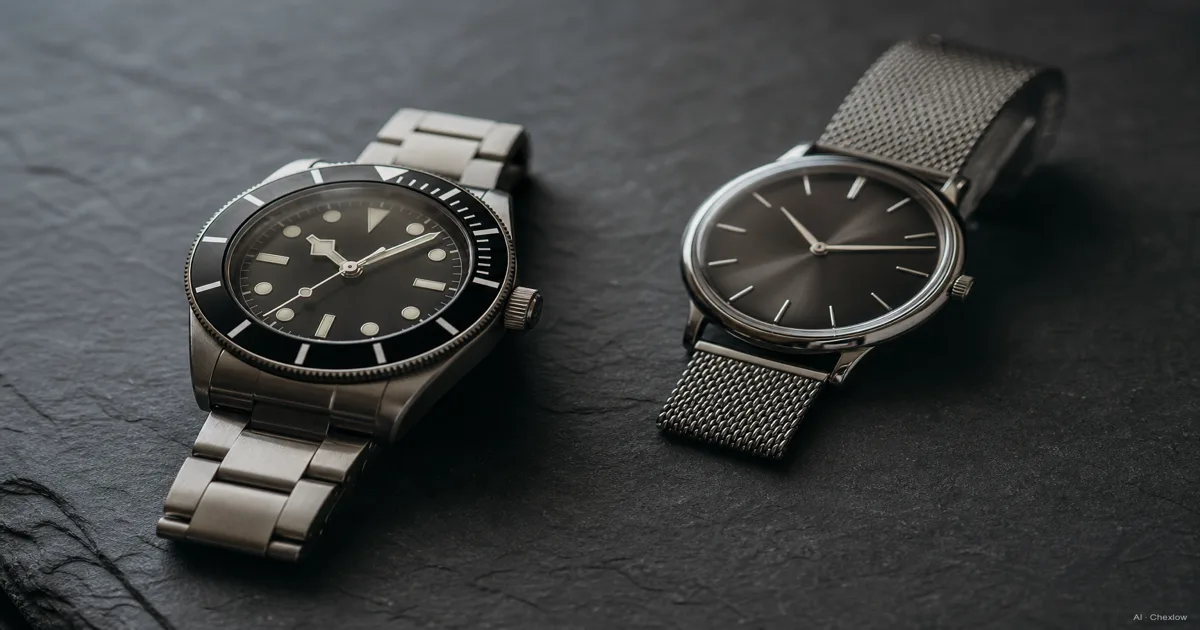
The illustration makes the contrast easy to see, but it is not a specification sheet for either category. NOMOS’s dress-watch guidance emphasizes slimness, cuff clearance and lug-to-lug length alongside diameter. Lug-to-lug means the span between the case’s upper and lower strap-attachment tips.
Wear the shirt you expect to use with the watch and compare both candidates:
- Look from above. Check how the case and its attachment points sit across your wrist.
- Look from the side. Fasten the cuff and move your arm normally. Notice whether the watch catches or presses against the fabric.
- Move your hand. Check for pressure from the crown, clasp or strap, and ask for the band to be adjusted before judging the fit.
Do not reject the entire category because one example feels wrong. Try a different case shape or size. If the dimensions still leave you guessing, use the watch case-size and wrist-fit guide to organize the comparison.
Buy one watch that passes your checks
Choose a specific reference, not just a collection name. Keep a short note for each finalist: intended use, permitted water activities, fit with your usual clothes, and the supplied band.
- Choose the diver if its approved use matches your plans and you are happy with its fit outside the water.
- Choose the dress watch if it meets your everyday needs and feels right under your usual cuff.
- Keep looking if either candidate fails a requirement you are unwilling to compromise on. A different model within the same category may be the better answer.
Before paying, check the return conditions and ask what servicing the exact reference requires. If you have settled the style but not how the watch should run, continue with quartz versus automatic for a first watch.
Leave the second watch undecided until you can name a recurring situation the first one does not cover. A possible future collection is not a reason to split today’s budget.
Sources
Como este guia foi construído
Written by AI for Housnap, using ISO’s published scope, Seiko’s instructions and care guidance, and NOMOS’s discussion of dress-watch proportions. The article turns those sources into a first-purchase comparison; its situation-based recommendations are editorial judgments, not hands-on product tests.