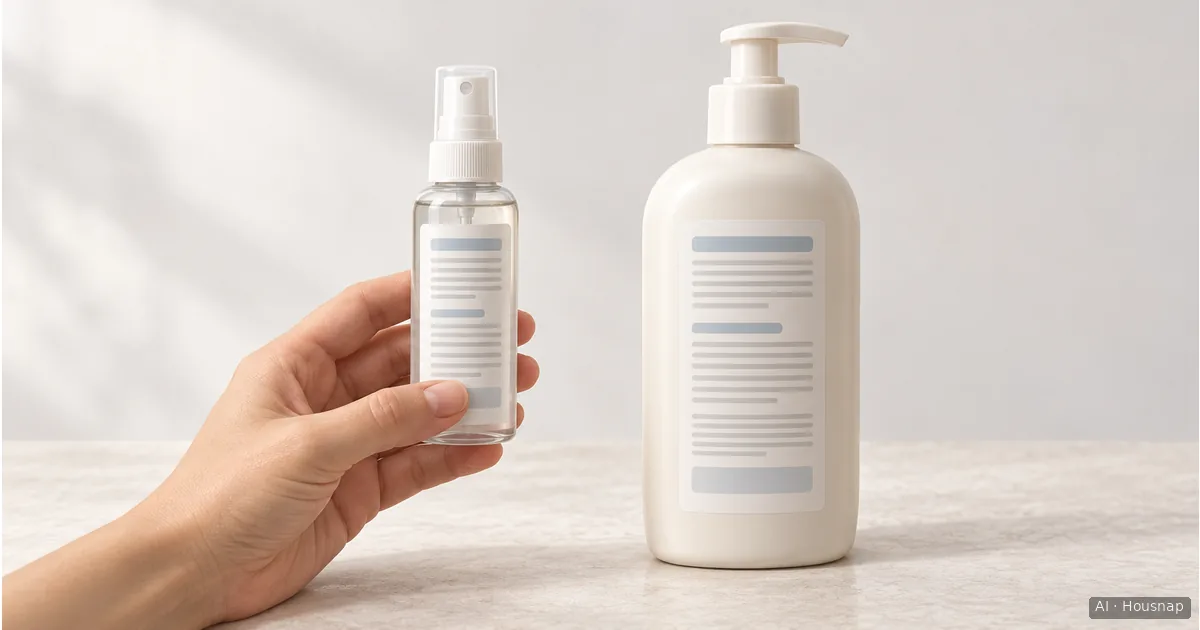
Name what the extra bottle would do
Put your lotion’s description beside the serum’s. Finish this sentence before shopping: “I want this product for ___, which my lotion does not already provide.” If both answers are simply moisturizing and softening, keeping your current routine is a reasonable decision.
The word serum does not settle the comparison. iS Clinical describes Youth Body Serum as a lightweight hydrating mist. One Love Organics describes Gardenia + Tea as an oil serum rather than an emulsion, the blended format used for lotions. Both examples give you a reason to inspect the formula instead of assuming a serum is a separate essential step.
For a more specific cosmetic aim, Alpha-H positions Daily Dose for body skin that looks dull and feels rough or dehydrated, and declares 5% niacinamide alongside vitamins C and E, hyaluronic acid and polyglutamic acid. That identifies the manufacturer’s intended use; it does not prove that adding it to your lotion will produce a better result. Compare your lotion’s stated functions too, rather than buying another bottle merely to collect an ingredient.
Confirm the directions before deciding to layer
Check four things on the exact products: damp or dry skin, application area, frequency, and any instructions about other products. If the labels leave the pairing unclear, ask the manufacturer with both product names before committing to an extra step.
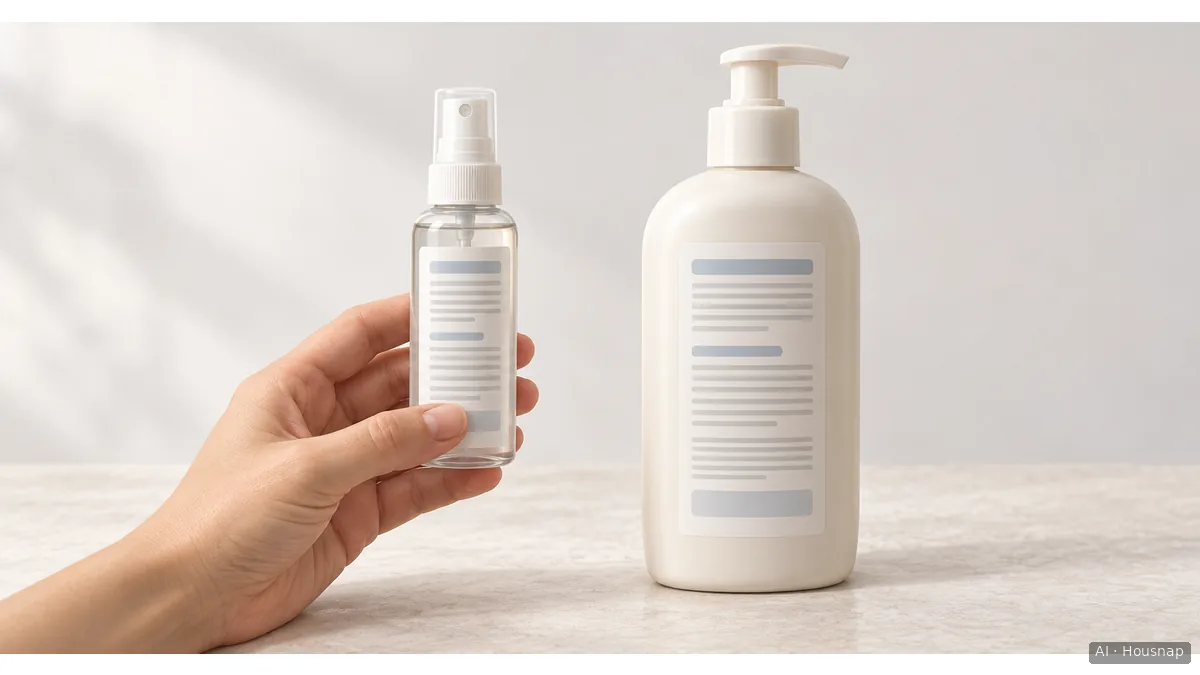
Use your own two labels for this comparison. The illustration shows the label check, not a prescribed dose or application sequence.
For example, Gardenia + Tea’s directions specify misting onto damp skin from the neck down, smoothing it in, then patting or air drying. They also say to apply it under sunscreen. Those instructions do not establish where every body serum belongs relative to every lotion.
Do not invent a universal waiting time or decide that a spray must go first. If you cannot establish how the candidate fits your existing routine, postpone the purchase. If choosing sunscreen is the unresolved step, continue with comparing sunscreen types and protection labels.
Read beyond the front-label shorthand
“Free from synthetic fragrance” is different from fragrance-free. Gardenia + Tea’s page describes a gardenia scent and lists fragrance/parfum despite its synthetic fragrance-free wording.
If fragrance has caused reactions for you, that distinction matters more than whether the bottle says serum or lotion. The American Academy of Dermatology recommends fragrance-free products in that situation and cautions that unscented or botanical products may still contain fragrance-related ingredients. Check the full ingredient list against ingredients you already know you need to avoid.
Try one candidate, then decide whether to keep it
Before widespread use, follow the AAD’s small-area testing guidance: use the normal amount on a small spot on the underside of your arm or at the bend of your elbow twice daily for seven to ten days, leaving it on as directed. If a reaction develops, gently wash it off promptly and stop using it. A severe reaction that does not settle with simple measures needs dermatology advice.
Keep the purchase manageable and check the exact volume. For example, Youth Body Serum’s manufacturer lists 15 mL and 200 mL sizes; the shared product name does not mean two offers contain the same amount. Volume alone cannot tell you how many applications a bottle will provide.
Once introduced according to its directions, assess the original reason for buying:
- It adds something you wanted and feels comfortable. Keeping it may make sense.
- It repeats what your lotion already does. There is no need to maintain a pair for the sake of the names.
- The extra layer feels inconvenient or unpleasant. Reconsider the addition instead of buying a third product to make the routine work.
This is a way to judge usefulness in your routine, not a home test of clinical effectiveness.
If your remaining purchase question concerns lotion versus body oil finish and getting dressed rather than a distinct serum function, continue with comparing body lotion and body oil before dressing.
Cómo se elaboró esta guía
This article was written by AI for Housnap, using manufacturers’ product descriptions and visible directions alongside American Academy of Dermatology guidance. It focuses on whether an additional body serum serves a distinct purpose beside an existing lotion; products and combinations were not personally tested.