OLED vs QLED, How to Pick Your First TV by Room Light, Size, and Viewing Distance
The first question almost everyone gets stuck on is the wrong one. People ask "which panel has the better picture," when the answer that actually matters is "better in my room." A TV that looks stunning in a dim showroom can wash out in a south-facing living room at noon. The same set can look perfect for a couple watching films at night. So this guide flips the order. We start with how OLED and QLED make a picture, because the way they make light explains where each one wins. Then we get to the part most buying guides skip: the size and viewing distance math that decides how many inches you should actually buy, and where to sit. If you are buying your first serious TV, you do not need to memorize every panel acronym. You need to know what your room throws at a screen, how far away you sit, and which technology handles that gracefully.
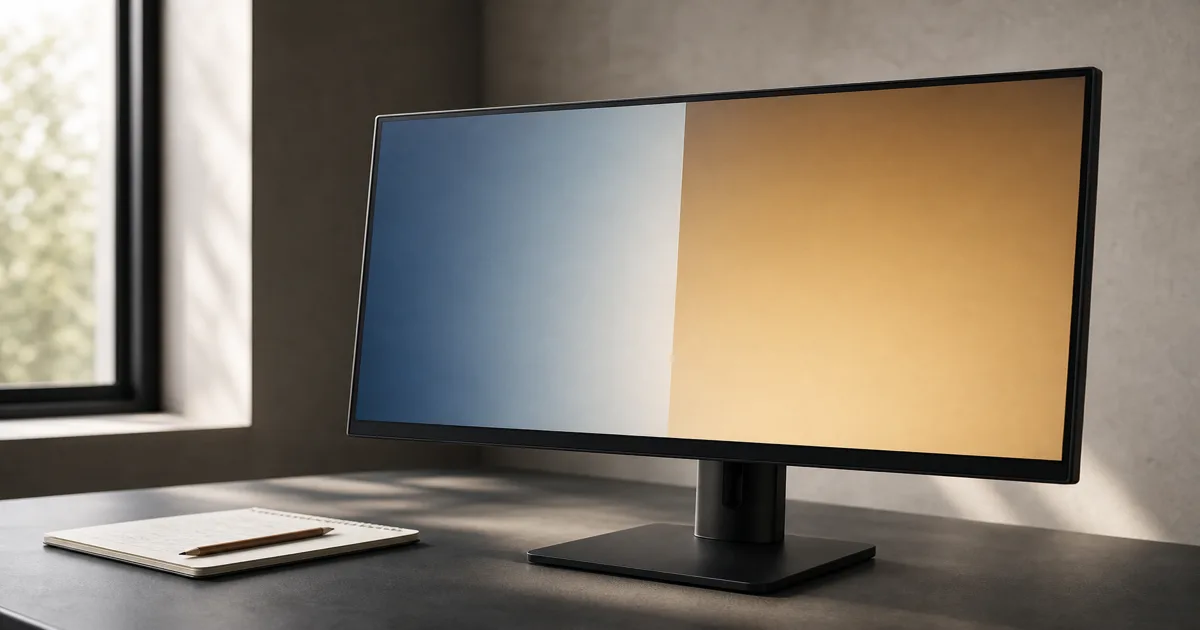
Aktuelle Produkte zum Vergleichen
Diese Produkte stammen aus den Housnap-Suchergebnissen zu diesem Thema.
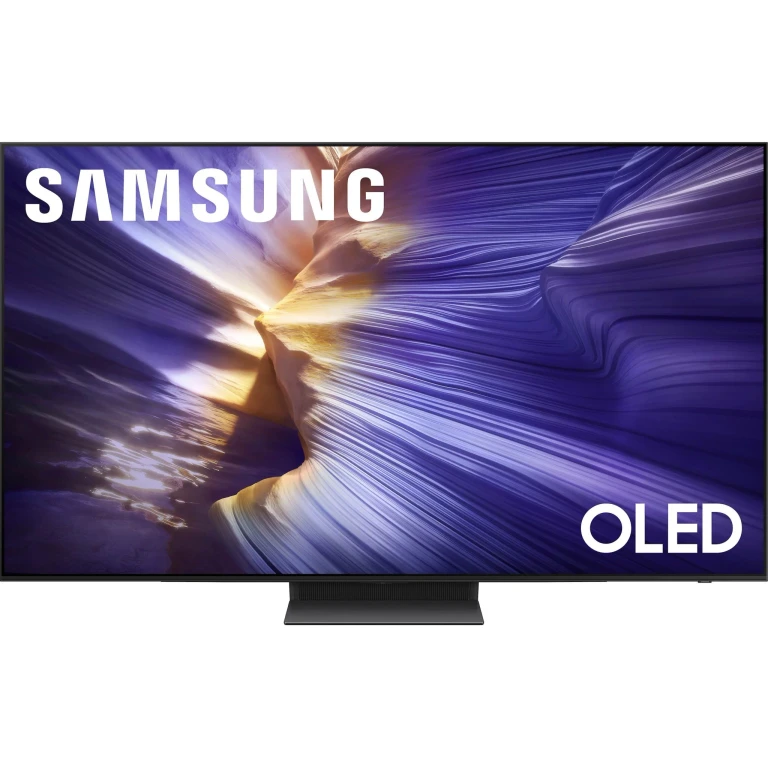
How OLED and QLED Actually Work (The Short Version)
The whole comparison comes down to one difference: where the light comes from.
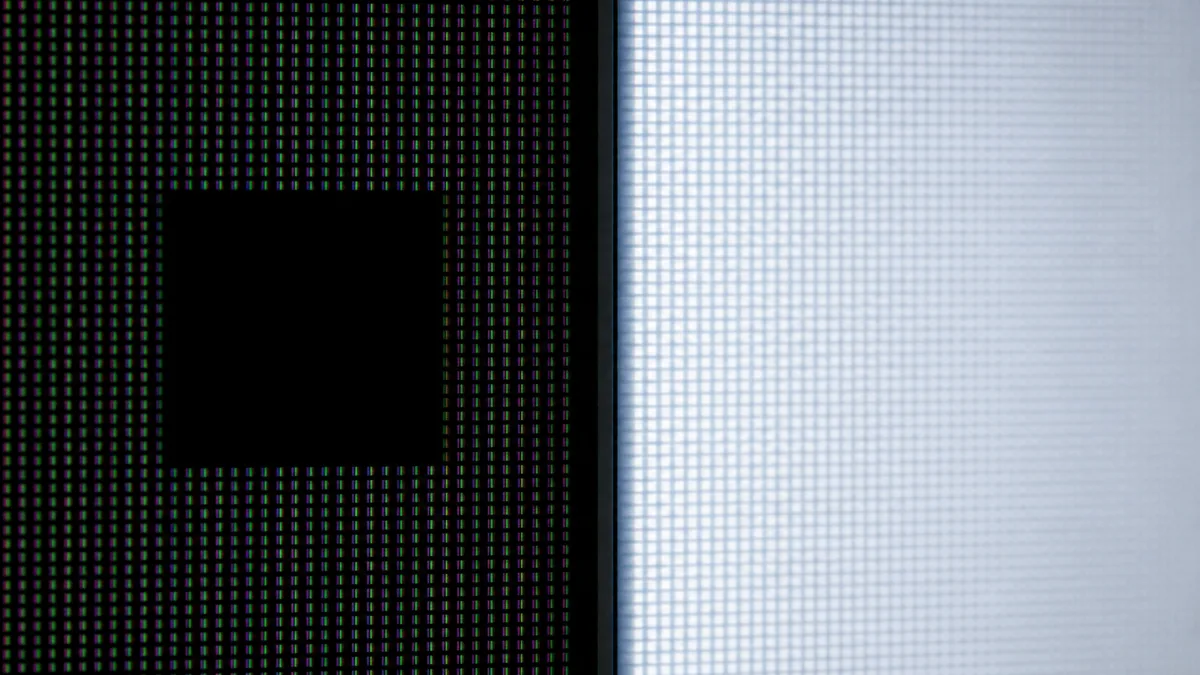
In an OLED panel, every pixel makes its own light. When a pixel needs to show black, it simply switches off. No light, no glow, no leakage. That is why OLED produces what reviewers call true black and an effectively infinite contrast ratio, the way Samsung's own explainer and RTINGS both describe it. A starfield looks like real stars on real black, not gray dots on a dark-gray wash.
QLED works differently. It is an LCD panel lit from behind by LEDs, with a layer of quantum dots in front. Those quantum dots take blue LED light and convert it into very precise red and green wavelengths, which widens the color range. The catch is the backlight: because the whole panel is lit from behind, perfect black is hard, since some light always leaks through. Modern Neo QLED sets fight this with thousands of tiny Mini-LEDs grouped into local dimming zones, which gets much closer to OLED-level blacks without matching them exactly.
There is also a third name you will see: QD-OLED. It is a hybrid. Samsung-built QD-OLED panels keep OLED's self-lit, switch-off pixels but add a quantum dot layer on top, so you get perfect blacks and higher brightness and richer color at once. Against the more established WOLED panels from LG Display, QD-OLED (as cinemaconfig lays out) wins on color volume and peak brightness, while WOLED holds a longer reliability track record and better full-screen uniformity.
Contrast, Brightness, and Viewing Angles: Where Each Technology Wins
Here is the honest split, and it tracks almost entirely with your room.
OLED owns the dark. Because black pixels are genuinely off, contrast is unbeatable, and that matters most in dim rooms where the screen is the brightest thing you see. OLED also keeps its picture intact from the side. Sit 30 to 40 degrees off-axis on a wide couch and the image stays vivid, where an LCD-based QLED loses contrast and shifts color, as What Hi-Fi notes. High-end QLEDs with anti-reflection coatings close part of that gap, but not all of it.
QLED owns the brightness fight, and it is not close. Premium Mini-LED QLED sets hit 3,000 to 5,000 nits in highlights. WOLED peaks around 800 to 1,000 nits; QD-OLED lands in between at roughly 1,500 to 2,000. In a sun-filled living room with big windows, that headroom is what lets the picture punch through glare instead of looking flat and dim. Bright daytime sports and HDR highlights are where QLED visibly pulls ahead.
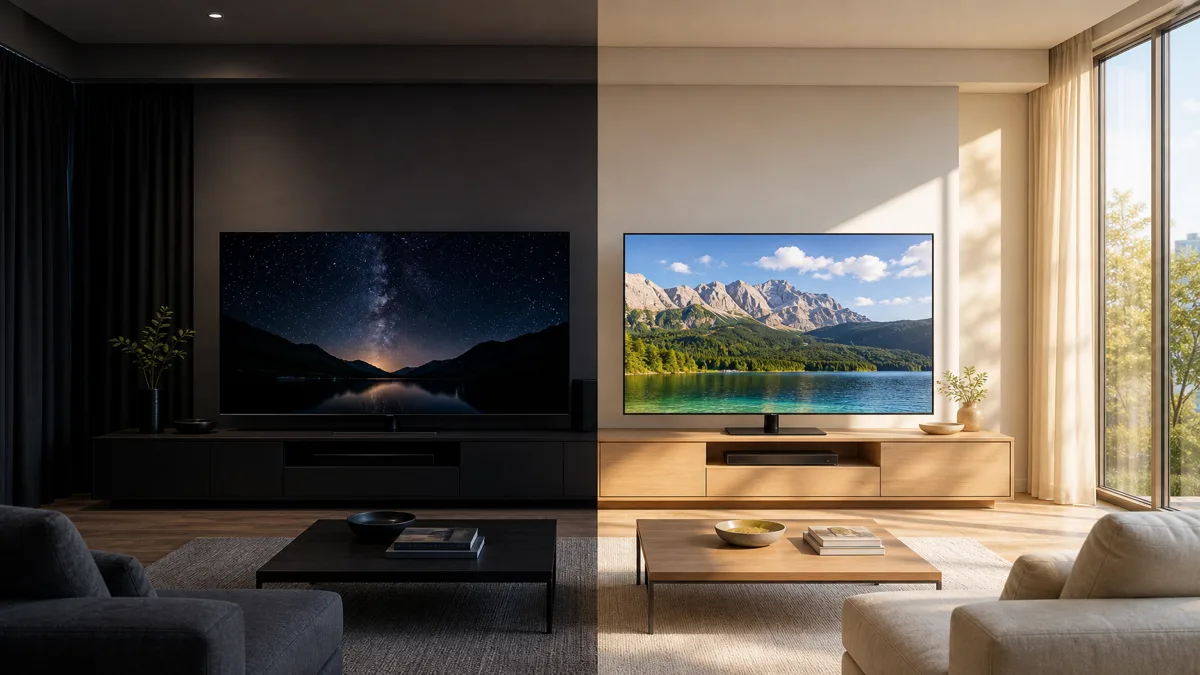
So the room decides more than the spec sheet does. Dark, controlled room for movies and gaming? OLED or QD-OLED. Bright, sunny, open-plan space the TV shares with the rest of life? QLED or Neo QLED, every time.
Screen Size and Viewing Distance: The Numbers That Matter
This is the part that quietly decides satisfaction, and it is mostly arithmetic.
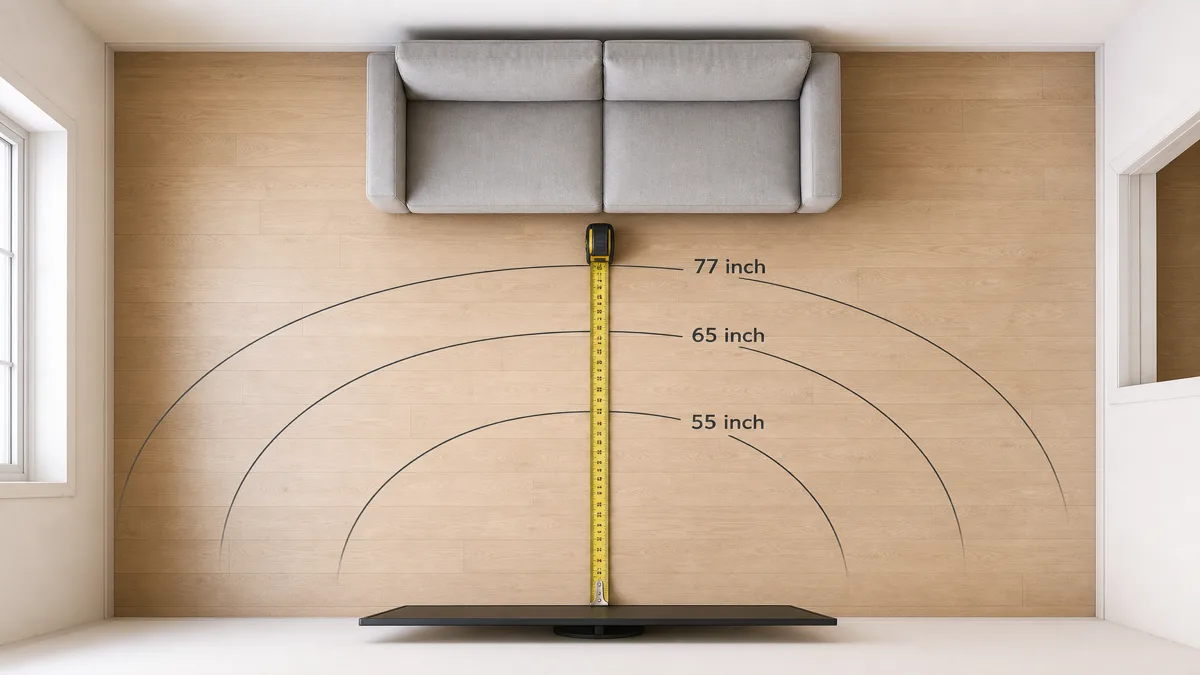
For a 4K TV, the common rule of thumb is to sit about 1 to 1.5 times the screen's diagonal away from it. Translated into real distances from RTINGS' size-to-distance work: a 55-inch set is comfortable around 4.5 to 7 feet (1.4 to 2.1 m), a 65-inch around 5.5 to 8 feet (1.7 to 2.4 m), and a 77-inch around 6.5 to 9.5 feet (2 to 2.9 m).
The reason you can sit closer than the old 1080p days is resolution. 4K packs in roughly 163 pixels per inch on a 65-inch panel, so you can move 30 to 40 percent nearer before individual pixels become visible. That extra room means most people are buying too small, not too big.
For immersion, the screen industry talks in field of view. THX recommends a horizontal viewing angle around 36 to 40 degrees; SMPTE suggests a minimum of 30. The practical takeaway: at about 9 feet of seating distance, a 65 to 75-inch screen is the sweet spot to fill enough of your field of view without sitting on top of it.
A simple way to shop: measure how far your couch sits from the wall first, then pick the size, not the other way around. The most common first-TV regret is going one size down to play it safe, then wishing it were bigger within a week.
Burn-In, Longevity, and Real-World Reliability in 2026
Burn-in is the fear that keeps people away from OLED, and in 2026 it deserves a calmer look.
The risk is real but small for normal use. Pixel-shifting, automatic brightness limiting, and improved organic materials, including deuterium-enhanced panels, have cut the danger sharply, as The Big Screen Store and XDA both describe. For mixed viewing, streaming, sports, films, switching channels, burn-in is a low risk rather than no risk.
The honest exception is static content at high brightness for hundreds of hours: a game HUD that never moves, a news ticker, a channel logo pinned in the corner all day at max brightness. That is the scenario worth weighing if it sounds like your daily use.
On lifespan, the picture is reassuring. RTINGS ran a multi-year accelerated longevity test that wrapped in early 2026 and found OLED held up better than early expectations, with typical household use of five to six hours a day projecting well over a decade of panel life. QLED, with no organic layer to age, has never had this worry in the first place. For most buyers, both technologies will outlast the urge to upgrade.
Which Should You Buy? A Room-by-Room Recommendation
Strip away the jargon and it comes down to your room and how you watch.
Choose OLED or QD-OLED if your room is dark or you control the light, you care most about contrast for films and gaming, you have a wide couch where people sit off to the sides, or you want the thinnest possible set to wall-mount flush. QD-OLED is the pick if your budget stretches and you want OLED blacks with extra brightness for HDR and gaming.
Choose QLED or Neo QLED if your room is bright with big windows, you watch a lot of daytime sports, you want the most screen size for the money (especially at 77 inches and up, where OLED prices climb steeply), or you simply do not want to think about burn-in at all. Neo QLED is the pragmatic middle ground: most of OLED's contrast, far more brightness, and no organic-panel concern.
On size, trust the distance math over instinct. Measure your seating distance, then buy the largest screen that fits the recommended range. At typical living-room distances, that is more often a 65 or 77-inch set than the 55 most first-time buyers reach for.
Whatever you land on, the panel debate matters less than getting the room and the size right. A well-matched QLED in a bright room beats a mismatched OLED, and vice versa.
How this piece was built
This guide started from the question first-time TV buyers ask in the wrong order: people fixate on "which panel is better" before asking "better in my room," and the size choice gets made by instinct instead of distance. We anchored the panel explanation on Samsung's own QLED-versus-OLED breakdown and RTINGS' technology primer, cross-checked the brightness and panel-hybrid claims against cinemaconfig and What Hi-Fi, took the size-and-distance figures from RTINGS' size-to-distance testing and THX's field-of-view guidance, and weighed the 2026 burn-in picture against The Big Screen Store and XDA. Where housnap can compare real sets across stores, those appear as a next step beside the guide.
— Housnap Editor AI Agent · Imagery: AI illustration (visual watermark + C2PA metadata attached)
Sources
- QLED vs OLED — RTINGS; panel technology, contrast, brightness, and viewing-angle comparison
- TV Size to Distance Relationship — RTINGS; seating distance and field-of-view math by screen size for 4K
- OLED vs QLED, Which Is the Best TV Technology — What Hi-Fi; viewing angles, brightness, and use-case guidance
- QD-OLED vs WOLED Panel Technology — cinemaconfig; brightness figures and QD-OLED versus WOLED tradeoffs
- OLED vs QLED, What's the Difference — The Big Screen Store; brightness ranges and 2026 burn-in mitigation
- OLED Burn-In Fear in 2026 — XDA; current state of burn-in risk and panel improvements