Aktuelle Produkte zum Vergleichen
Diese Produkte stammen aus den Housnap-Suchergebnissen zu diesem Thema.
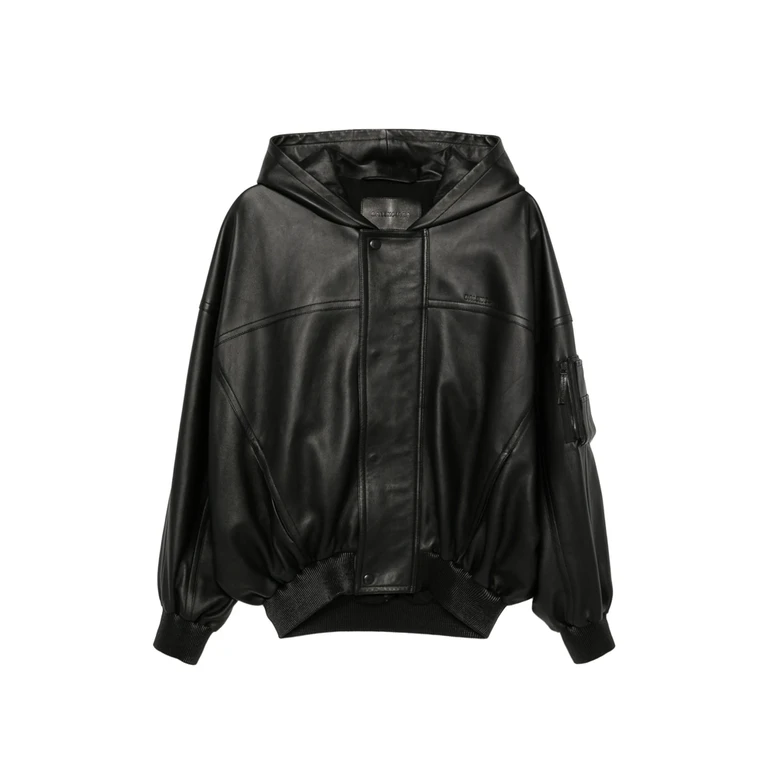
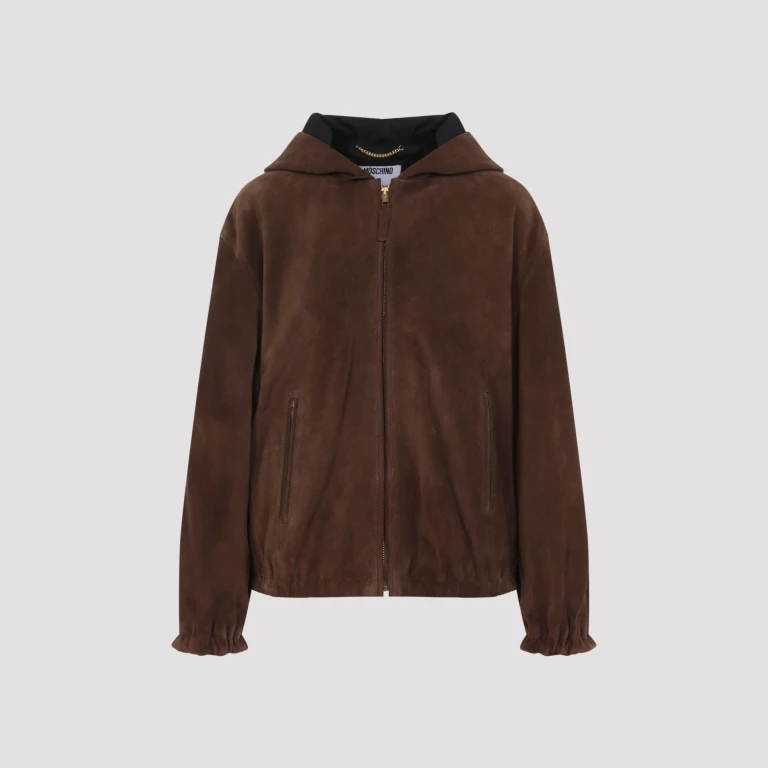

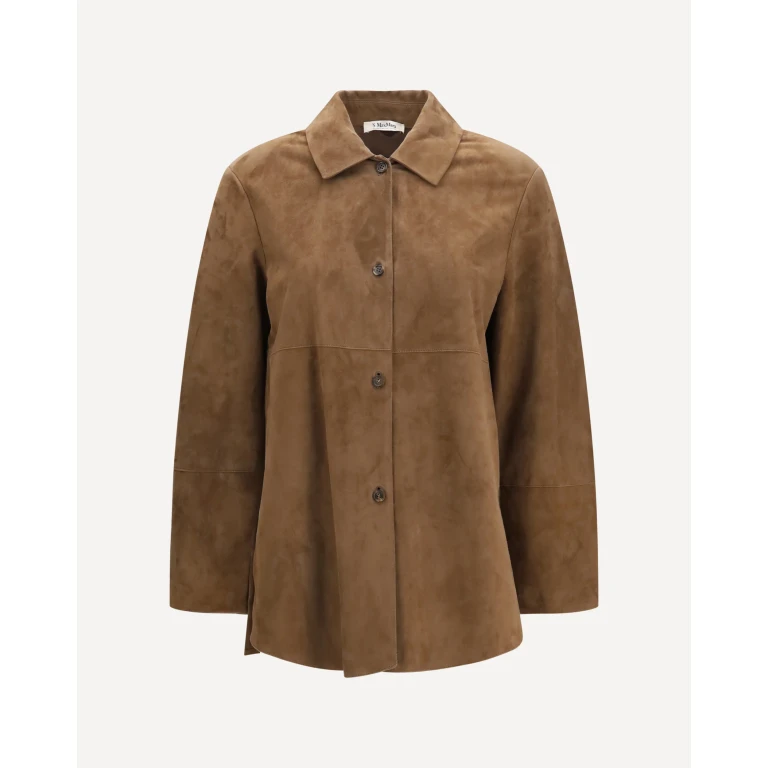
Choose for the days you will actually wear it
Before comparing labels, picture an ordinary week. These are buying judgments, not a universal ranking of the two materials.
- Smooth leather first. Put it on your shortlist if you like a smooth surface and do not want brushing to be part of ownership.
- Suede first. Keep it in contention if you want the napped finish and have another coat for wet weather. You do not need to buy a smooth jacket before it.
- Rain protection first. If this purchase must cover a wet walking commute, start with a rain-jacket buying guide.
Even smooth leather needs weather planning: AllSaints advises avoiding rain and drying wet jackets naturally. That is a reason to keep a wet-weather alternative, not a promise that every shower ruins a jacket.
Check what “suede” tells you, and what it does not
Suede is leather with a velvet-like raised surface, called the nap. It can be made from leather or split leather, so the label alone does not tell you which construction you are buying. See the Leather Working Group definitions.
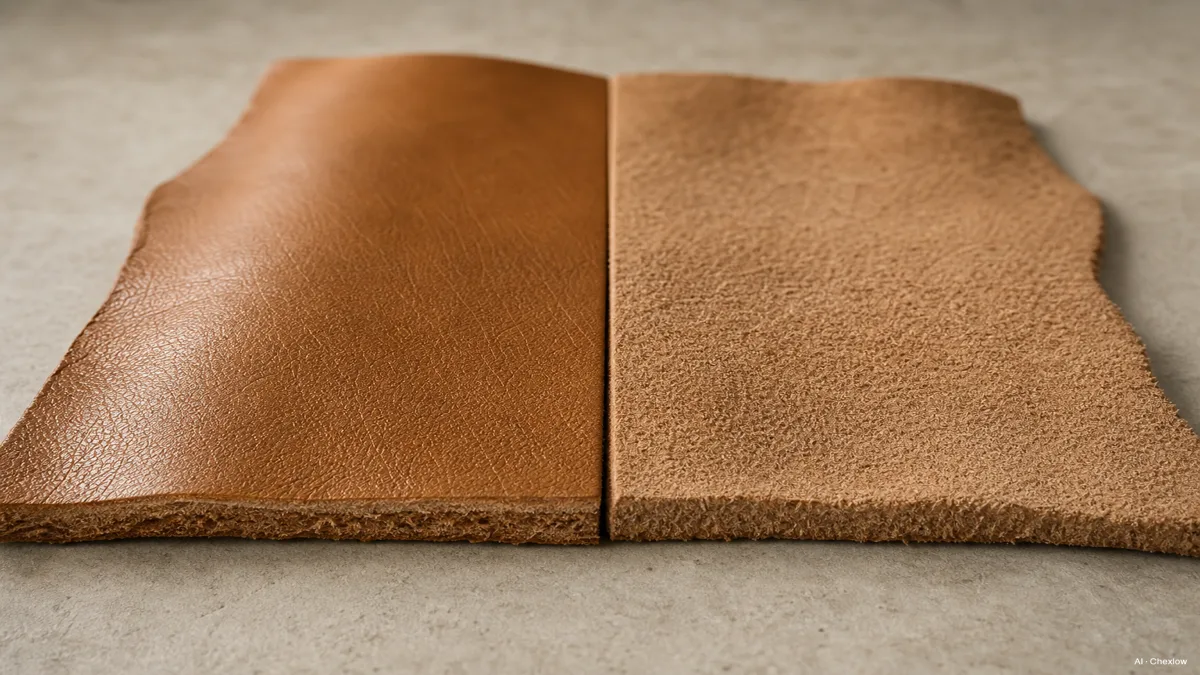
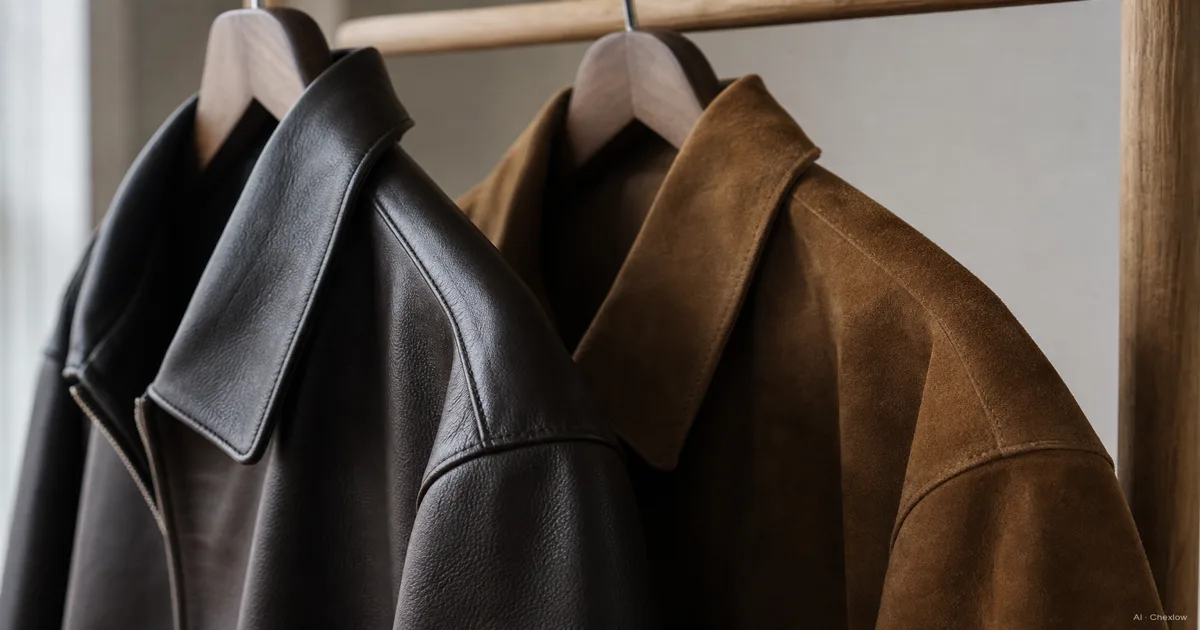
The illustration shows a split-hide example, not every suede jacket. Oliver Sweeney’s Dimson description specifies whole-skin reversed kid suede. That exception is why “suede is always the weaker inner layer” is a poor buying rule.
Ask the seller for the hide type, construction and finish when the description is vague. Compare the actual garments rather than assigning either category a guaranteed lifespan.
Decide whether the care fits your routine
Read the jacket’s care instructions before adding products. Schott says cleaning and conditioning depend on the material; a routine for one jacket is not automatically suitable for another.
For suede, plan for a soft suede brush to remove surface dirt and professional help for difficult marks, as described in AllSaints’ suede-jacket guidance. Check that the brush suits the garment. Oliver Sweeney’s brush instructions say to let dirt dry completely and brush lightly.
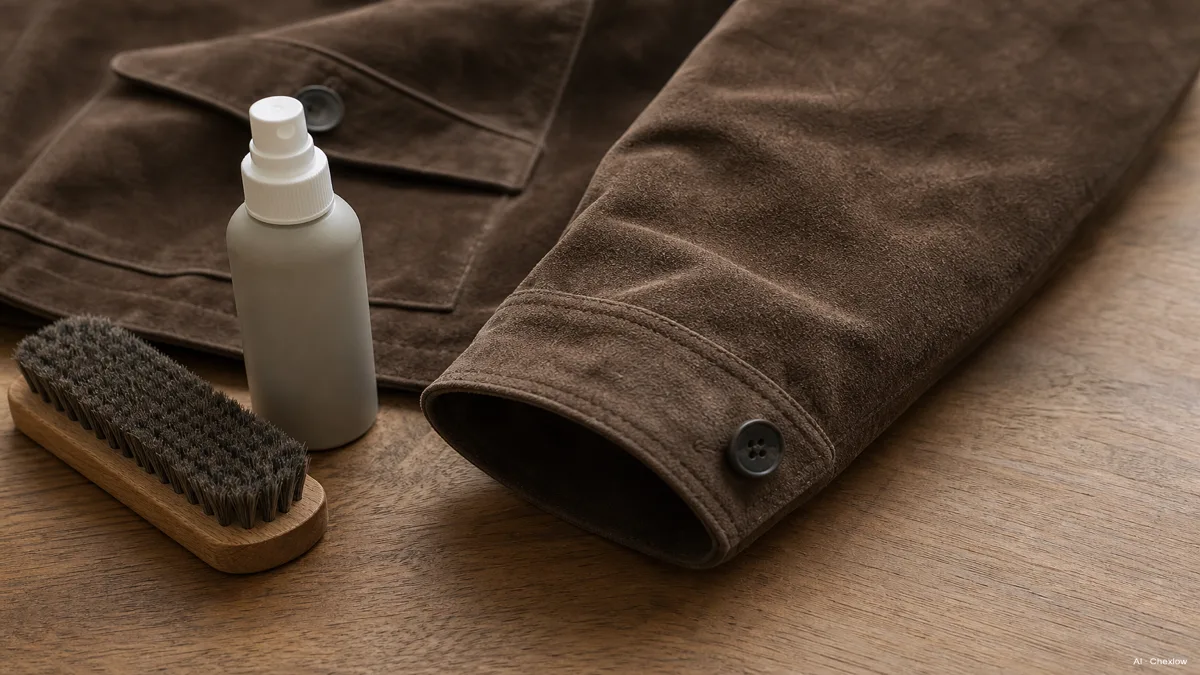
A suede protector is a conditional extra: confirm compatibility with the jacket and follow the product label. Application is not universal; this Oliver Sweeney protector, for example, specifies a clean surface and 24 hours to dry. Do not turn the pictured bottle into a promise of waterproof clothing.
For smooth leather, check whether conditioner is needed at all: AllSaints says most of its smooth jackets need no product. If you choose that route, continue with leather-jacket conditioning and storage, keeping the garment’s own instructions first.
Try both on, then compare the total commitment
Bring the layer you expect to wear underneath. Close each jacket, reach forward and sit down. Reject a fit that only works while you stand still, rather than banking on future stretching.
- Compare like with like. Try similar lengths and cuts so a cropped biker and a roomy bomber do not make the material decision for you.
- Check before paying. Inspect seams, lining, cuffs and fastenings; ask about cleaning, repairs and returns.
- Judge value by likely use. Add expected care costs to the purchase price and divide by a realistic number of wears over the same period for both candidates. Treat that as your estimate, not a lifespan prediction.
If suede fits your clothes and your dry-day routine better, it can be the better first buy. If caring for the nap would put you off wearing it, keep smooth leather on the shortlist.
Wie dieser Guide entstand
Written by Housnap’s AI editor using Leather Working Group definitions and published guidance from AllSaints, Oliver Sweeney and Schott. The comparison turns those sources into first-purchase decisions about weather, construction and upkeep; it does not report product testing or predict service life.