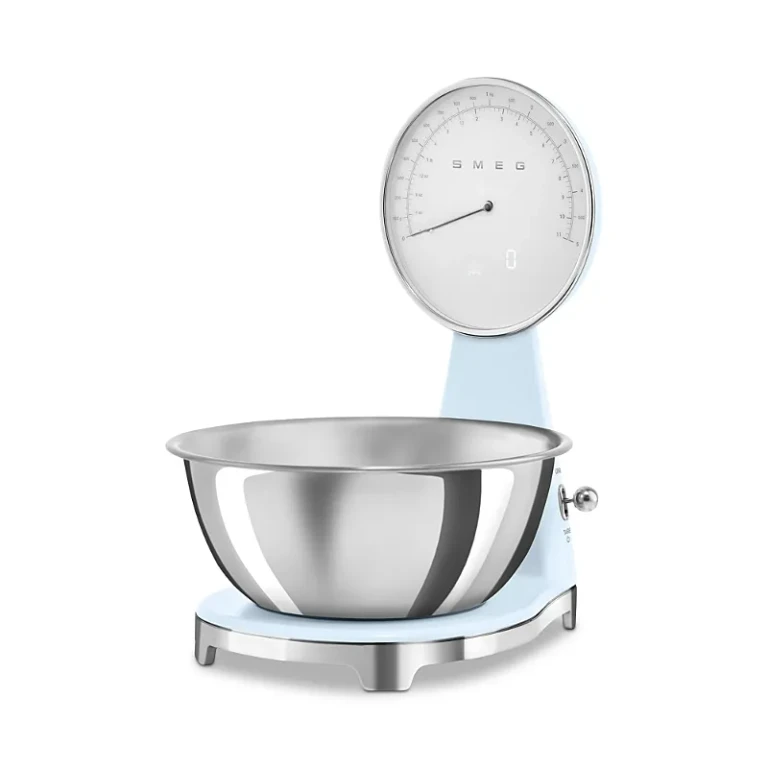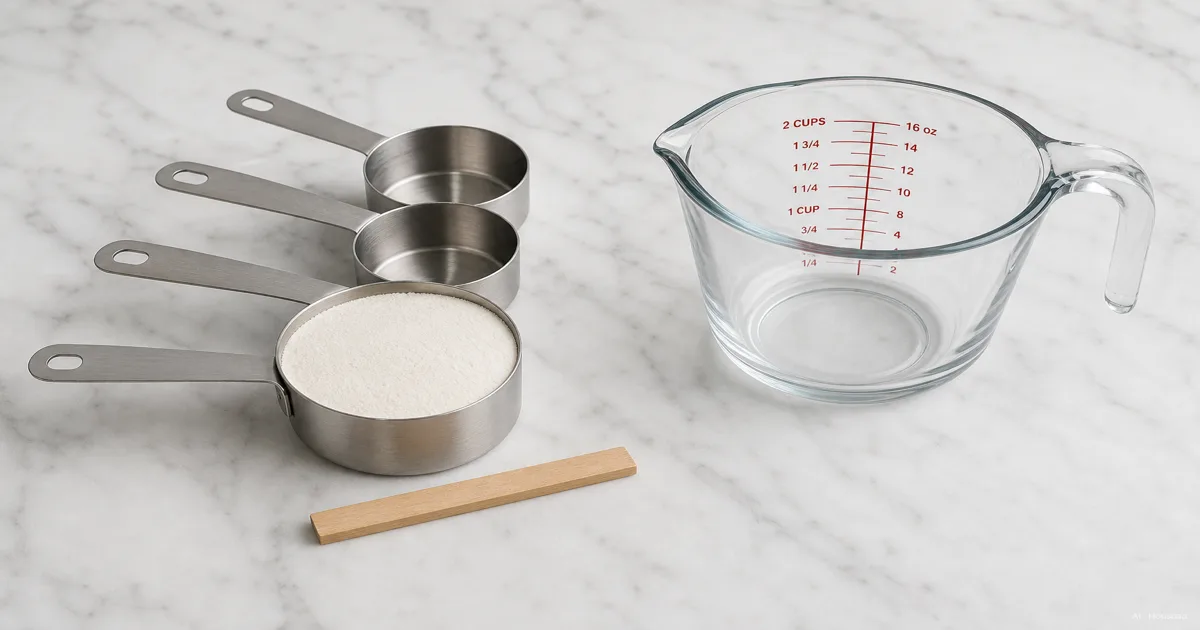
Disponíveis agora em uma única loja
No momento, cada um destes produtos está disponível em apenas uma loja. A comparação de preços abre com mais lojas.
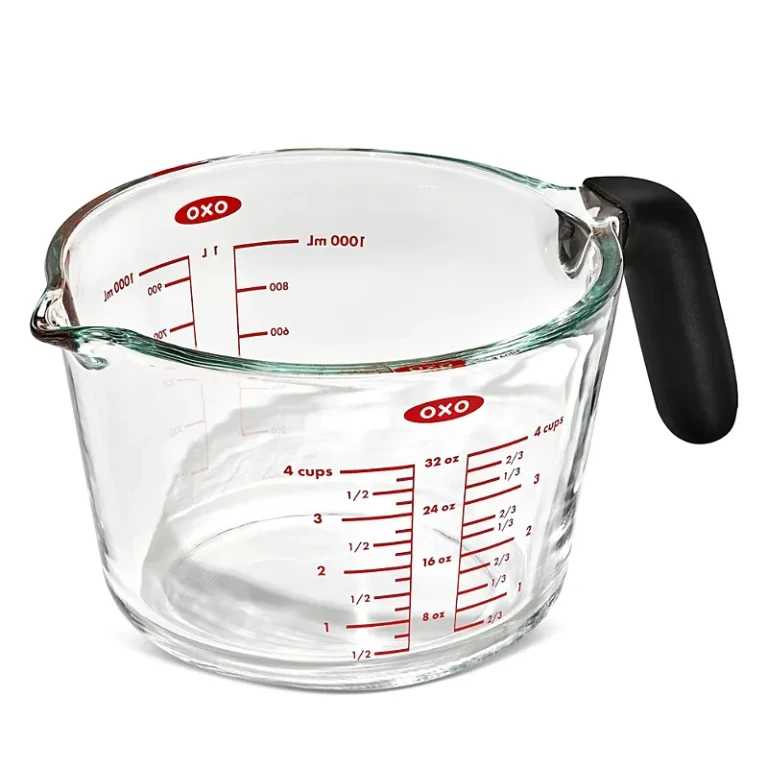
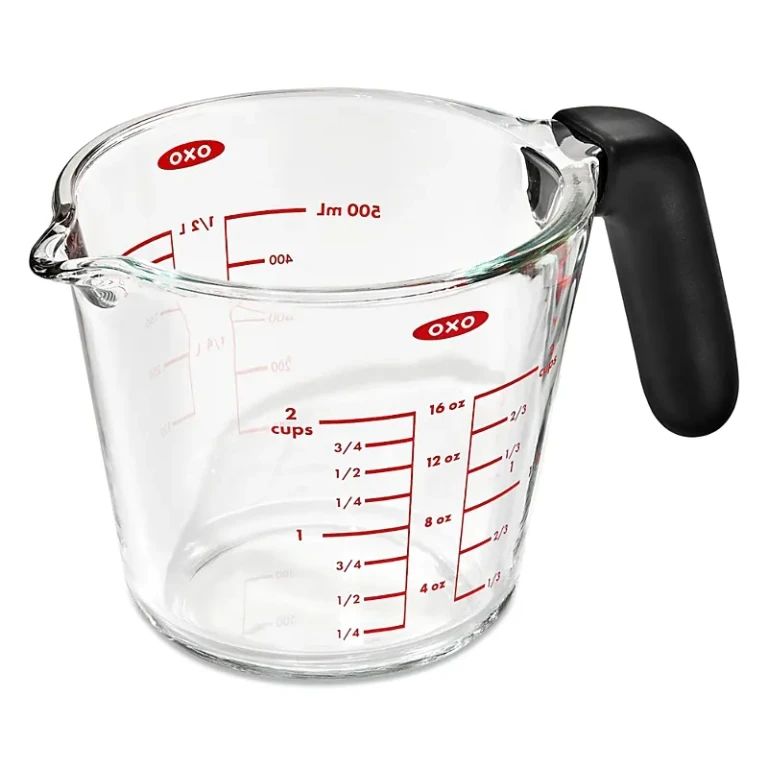
Choose by the ingredient, not just whether it is wet
In US cooking, a dry cup and a liquid cup use the same volume unit. The difference is how you fill and read the tool, not a separate kind of cup. Volume-unit reference.
- Flour or sugar: choose a dry cup with a rim you can level across.
- Milk, water or oil: choose a graduated liquid cup.
- Peanut butter or sour cream: use a dry cup when measuring by volume. Being moist does not mean an ingredient settles into a level surface. King Arthur’s explanation.
Before buying, check the recipe’s definition of a cup against the tool’s markings. Cup sizes vary between measurement systems. Cup-unit reference.
Build a kit around the recipes you actually use
For cup-based baking, start with dry measures, one liquid cup and measuring spoons. Check what you already own before buying a combined set.
- Dry measures: look for the fractions your recipes use. The common set contains 1/4, 1/3, 1/2 and 1 cup. King Arthur’s cup guide.
- Liquid cup: choose a capacity that holds your usual single measurement, with a clearly marked line for smaller amounts. A 2-cup jug is a starting option, not a requirement to buy a large set.
- Material: sound plastic dry cups need not be replaced just to get metal ones. OXO describes both materials as suitable; choose for readable markings, handling and storage. OXO’s comparison.
Add measuring spoons for small quantities. They measure both dry ingredients and liquids. Match the included sizes to your recipes rather than judging a set by its piece count. King Arthur’s spoon guide.
For narrow spice jars, check the spoon’s width. Spring Chef’s dual-ended set illustrates the option: a narrow oval end and a round liquid-measuring end. That is a useful feature to compare, not a reason everyone needs magnetic spoons. Manufacturer description.
Fill each tool the way the recipe expects
Flour and other dry ingredients
For flour, follow the recipe author’s method. King Arthur’s fallback when you have no scale is simple: fluff, spoon in and scrape level.
- Loosen: stir the flour in its container.
- Fill: spoon it into the dry cup without packing it down.
- Level: sweep away the excess with a straight edge.
Do not apply the no-packing rule to every ingredient. When a recipe specifies packed brown sugar, pack it; King Arthur’s conversion chart explicitly distinguishes that condition. Ingredient chart.
Liquids and spoonfuls
Set a conventional liquid cup on a level counter and read its side marking at eye level. King Arthur’s measurement guidance. For a visible curved liquid surface, align the bottom of the curve with the mark. An angled cup designed to be read from above is an exception; use its intended scale. OXO’s reading guidance.
Level dry spoonfuls rather than leaving a mound. If a spoon is wet, wash and dry it before dipping into dry ingredients; measuring dry ingredients first can avoid that interruption when the recipe allows it. Measuring-spoon technique.
Check heat instructions before using a cup as cookware
Choose a cup explicitly approved for the heating and cleaning you intend. Material alone is not a complete instruction label.
For Pyrex glassware, the manufacturer warns against sudden temperature changes and adding liquid to hot glass. Stop using pieces that are chipped, cracked or deeply scratched. Pyrex use guidance.
When comparing a replacement, make readable markings and an undamaged measuring rim priorities. A larger capacity or a different material will not fix an unclear measurement line.
Decide whether weighing would simplify your baking
If your recipes give gram weights, a scale can reduce the variation caused by filling cups. You do not have to assemble a complete cup collection before considering one. King Arthur on weighing.
Use the recipe’s stated weight first. King Arthur lists its all-purpose flour at 120 g per cup, but that is not a conversion for every ingredient or every author’s recipe. Its chart includes liquids too, so a scale is not limited to dry ingredients. Ingredient weights and recipe precedence.
If weighing looks like the better next purchase, the kitchen scale buying guide explains how to compare capacity, display placement and measurement increments.
Como este guia foi construído
This guide was written by AI for Housnap, using King Arthur Baking’s measuring guidance, manufacturer information from OXO, Pyrex and Spring Chef, and reference material on cup units. It focuses on choosing and using measuring tools; the starter-kit advice is an editorial judgment, not a report of hands-on product testing.