Retractable vs. Fixed Dog Leash, How to Choose Your First One
You want a leash, not a research project, but the aisle, or the search results, don't make that easy. One option is a plain strap. The other is a plastic handle that spools out fifteen or thirty feet of cord at the push of a button, and it looks like the more modern choice. Here's what most listings leave out. Retractable leashes are behind a disproportionate share of leash-related injuries to owners, and the mechanism that causes most of them, a thin cord under sudden tension, a plastic clasp that can crack, is not obvious from a product photo. That doesn't mean retractable leashes are always the wrong call. It means the right first leash depends on your dog, your walking environment, and what each mechanism actually does when something goes wrong, not on which one looks more convenient on the shelf.

Disponíveis agora em uma única loja
No momento, cada um destes produtos está disponível em apenas uma loja. A comparação de preços abre com mais lojas.
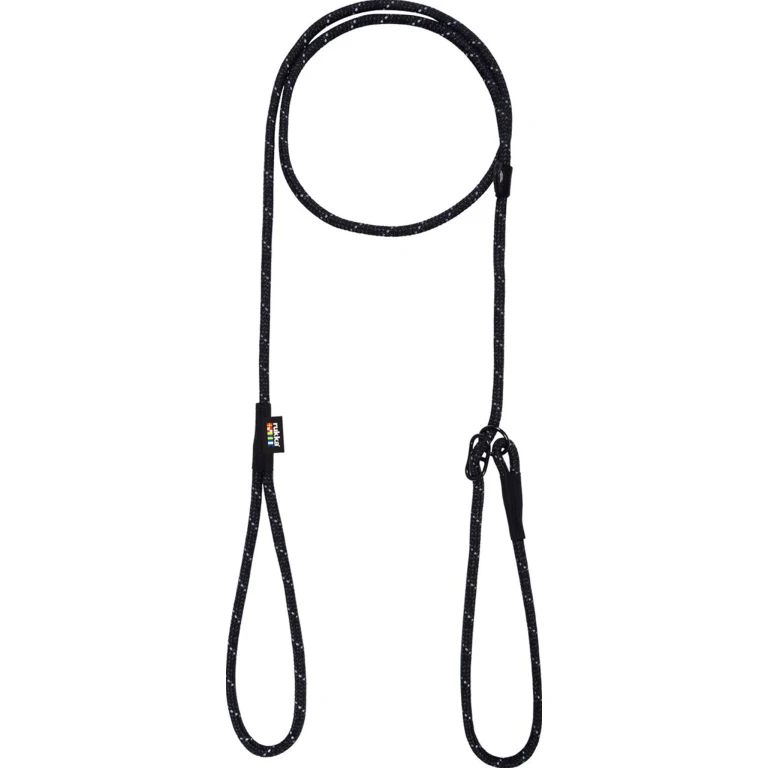
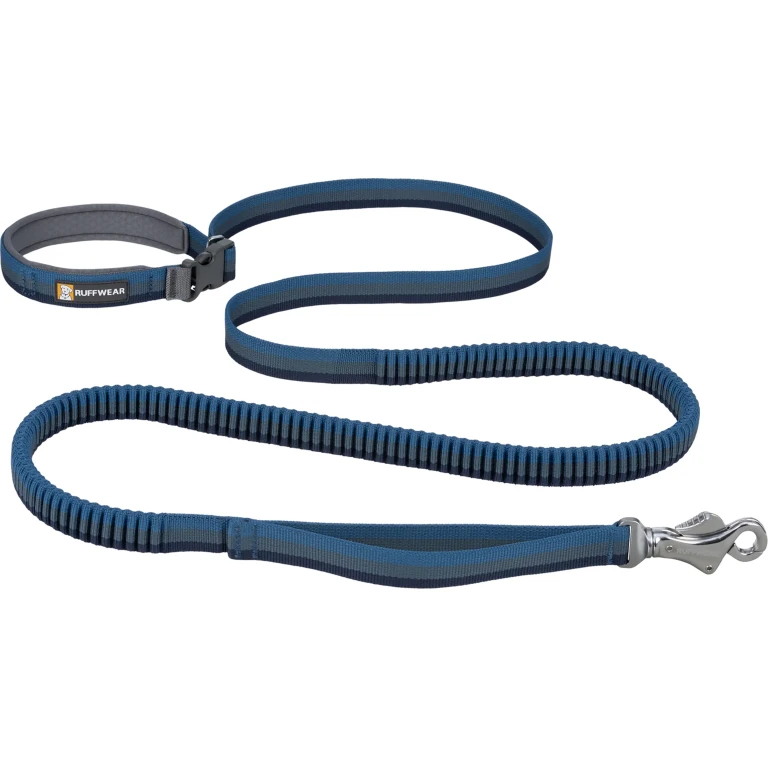
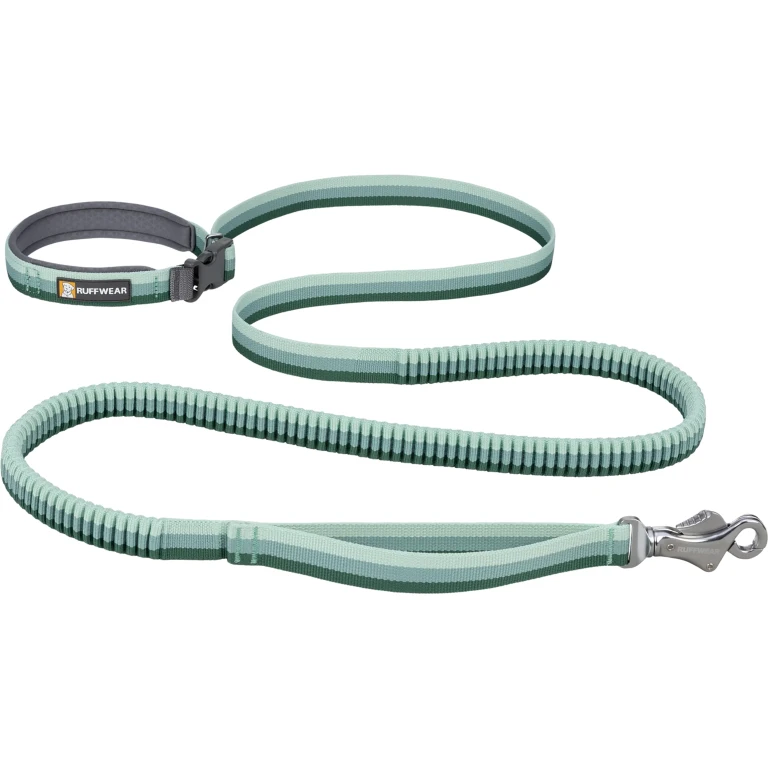
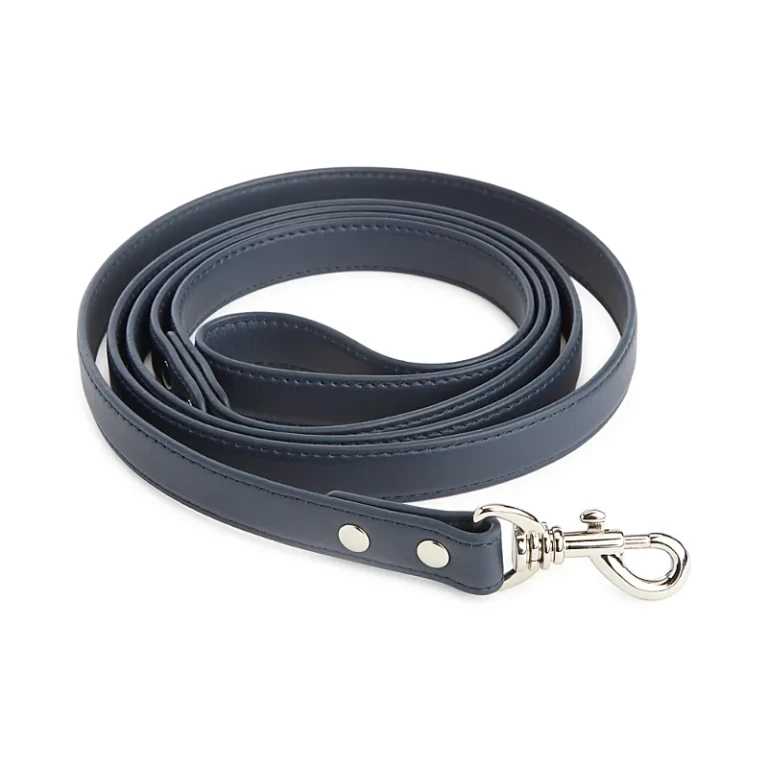
What's the Real Difference Between a Retractable Leash and a Fixed One?
On the surface, a leash is a leash. In practice, the two types work on completely different mechanisms, and that mechanism is what decides how much control you actually have on a walk.
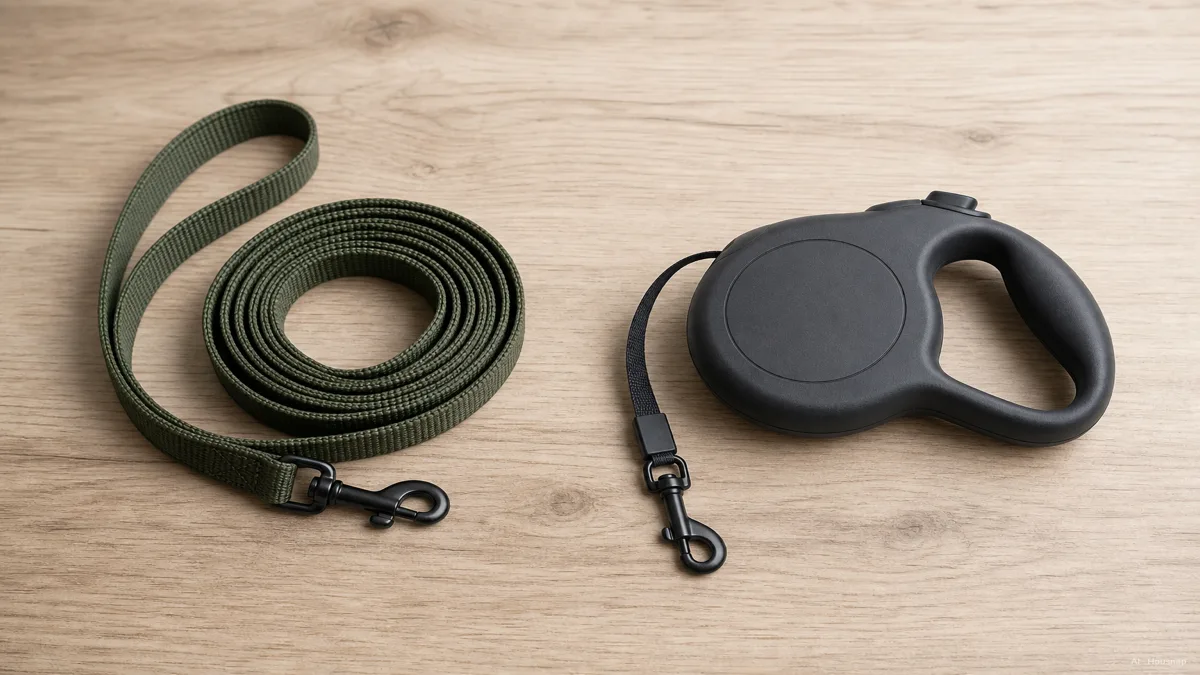
A fixed leash is about as simple as gear gets. It is a single length of nylon webbing, leather, or biothane (a synthetic that mixes leather's feel with nylon's water resistance), usually cut to 4 to 6 feet, with a clip on one end and a handle on the other. Nothing extends, nothing locks, nothing retracts. The length you buy is the length you walk with.
A retractable leash swaps that simplicity for a mechanism. A thin nylon tape or cord sits wound around a spring-loaded spool inside a plastic handle, and a button lets it play out or reel back in, often stretching from 15 to 30 feet. A second button, or a thumb-brake lever, is supposed to lock the cord at whatever length you're currently holding.
That's the whole tradeoff in one sentence. A fixed leash gives up length for a direct, unbreakable connection to your dog. A retractable leash gives up that directness for range, and asks a small plastic mechanism to hold up under sudden force instead.
Safety Risks of Retractable Leashes, What the Injury Data Actually Shows
Here's the part that's easy to skip past on a product page, and worth sitting with before you add one to your cart.
A widely cited study tracked more than 16,500 hospital-treated leash injuries in a single year in the US. Nearly a quarter of those, 23.5%, were finger injuries, and about 1 in 10 happened to children age 10 or younger (Consumer Reports). A separate look at more than 8,000 leash-related injuries found that over 26% resulted in a fracture (PetMD). These numbers cover leashes broadly, but the mechanism behind most of the injury reports is specific to the retractable type.
The clearest example is a 2008 recall. The Consumer Product Safety Commission pulled roughly 223,000 "SlyDog" retractable leashes after five reported injuries, including facial cuts, a broken tooth, a displaced eye lens, and a bruised collarbone, all caused by the metal clasp bending or breaking under tension and the leash recoiling back at the person holding it (CPSC.gov).
The physics behind that recoil is worth knowing even if you never see it happen. Once the cord or clasp separates under tension, the plastic buckle end can snap back at speeds over 35 miles per hour on impact, fast enough to cause a serious eye injury (PMC, NIH). The thin cord itself is the other half of the problem. It can cut or burn skin as it pays out rapidly under tension, and it can wrap around fingers, hands, legs, or another person or dog, with documented cases of partial finger amputation.
There's a second, quieter risk that has nothing to do with the handle. Locking a retractable leash abruptly while your dog is at a full run can stop them hard enough to strain the neck and throat, and in severe cases lead to a ruptured cervical disk or a laryngeal or tracheal injury (Preventive Vet). Consumer Reports flagged retractable leashes back in 2009 as a recurring source of injury complaints from both dog owners and the passersby walking near them, so this isn't a new or a niche concern.
None of this means every retractable leash is dangerous every time. It means the injury reports cluster around a specific mechanism, thin cord, plastic hardware, sudden tension, and that's worth knowing before you decide which type suits your first leash.

When a Fixed Leash Is the Safer Default
For most everyday situations, a fixed leash is the boring, correct answer.
The American Kennel Club recommends a standard leash length of 4 to 6 feet specifically because it keeps your dog close enough that you can react before a situation turns into a problem (AKC). That's a sharp contrast to the 15 to 30 feet a retractable leash commonly extends to, which is a lot of unpredictable distance between you and your dog on a sidewalk, in a parking lot, or near another leashed animal.
It's also why most veterinarians, professional trainers, and a lot of positive-reinforcement training facilities either steer clients away from retractable leashes or simply don't allow them on the premises. The complaint is consistent across all of them. Retractable leashes cost you the fast, small corrections that keep a dog out of trouble, and the thin cord and plastic housing are simply more failure points than a plain strap has.
A fixed leash also wins on the boring mechanical stuff that ends up mattering most. There's no spool, no spring, and no lock to fail, so the leash behaves exactly the same on walk two hundred as it did on walk one. The handle is a simple loop or grip built to be held, not a housing built to hold electronics and a reel. And the stopping distance if your dog bolts is exactly the length in your hand, not a run-out of fifteen extra feet before the mechanism catches.
That combination, a short length, a predictable stop, and fewer things that can break, is why a fixed leash is the default recommendation for city sidewalks, obedience training, dog parks, and any walk where you're sharing space with other dogs or people.
When a Retractable Leash Can Make Sense
None of this makes retractable leashes universally wrong. It just narrows the situations where the tradeoff is worth it.
A retractable leash earns its keep with a dog that has reliable recall and behaves consistently even when distracted, walked in a genuinely open, low-traffic setting like an empty field, a quiet rural road, or a wide trail with no other dogs or pedestrians nearby. In that setting, the extra range lets a calm dog sniff, wander, and explore without you constantly reeling in slack, and the risks tied to sudden tension near people or other animals mostly don't come up because there's no one nearby to run into.
It's a poor fit for a dog still learning leash manners, a dog that lunges or reacts to triggers, a puppy whose behavior is still unpredictable, or any walk through a crowded park, a busy street, or a space shared with other dogs. If you're not confident your dog will stay calm at 20 feet of slack, that's the clearest sign a retractable leash isn't the right first purchase.
How to Choose Your First Leash, a Length, Material, and Locking-Mechanism Checklist
If you're staring at a wall of leash listings right now, that overwhelm is normal. A leash looks like a small purchase until you actually try to compare a dozen listings that all promise "durable" and "comfortable" without saying much else. A short checklist cuts through most of it.
Length. Start with 4 to 6 feet unless you already know your dog and your walking environment call for more range. That's the AKC's standard recommendation, and it's the right default for a first leash regardless of your dog's size.
Material. Nylon webbing is the affordable, everyday baseline, light and easy to clean. Leather ages well and feels good in hand but costs more and needs occasional conditioning. Biothane, a synthetic that combines leather's feel with nylon's water resistance, is a strong pick if your dog swims, drools, or walks in the rain, since it wipes clean and doesn't hold odor.
Hardware. Check the clasp before you check the strap. A cheap, thin metal or plastic clasp is exactly the failure point behind the CPSC recall mentioned earlier. A solid bolt-snap or trigger-snap clasp in real metal is worth paying a little more for.
If you're still considering a retractable leash. Look for a wide nylon tape rather than a thin cord, since the tape is less likely to cut skin or snap under sudden tension. Check that the lock engages with a firm, deliberate motion rather than a light touch, and make a habit of never locking it at full extension while your dog is running. And treat the retractable option as a second leash for open spaces, not your only one.
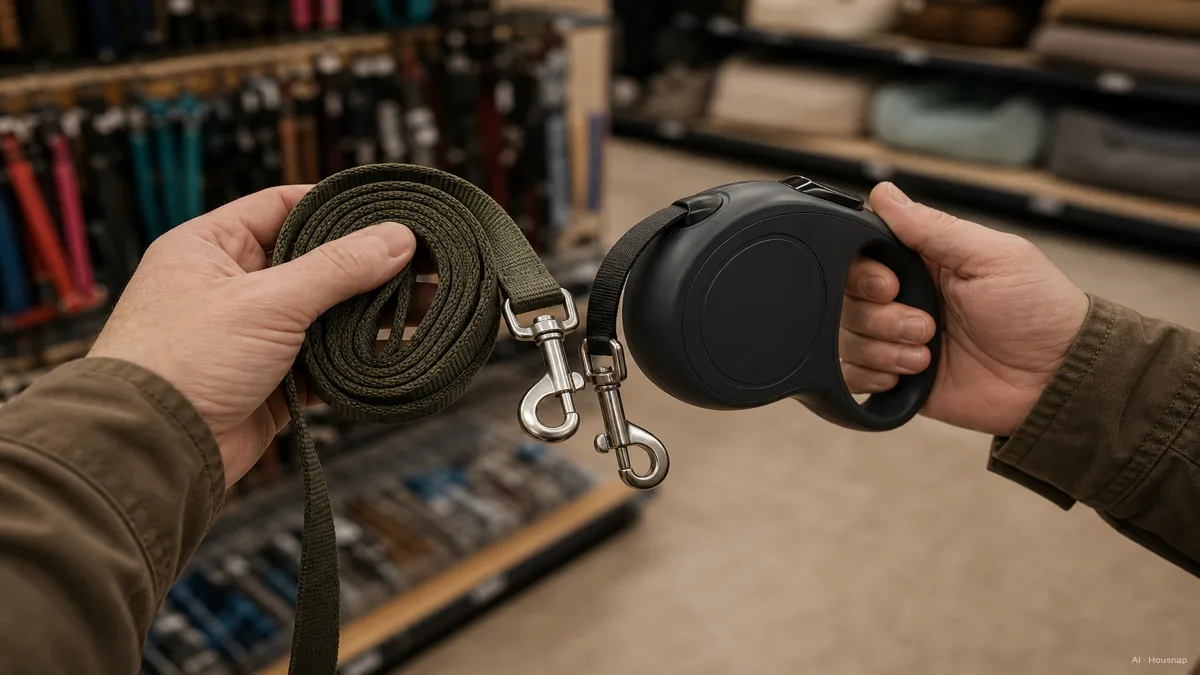
The right first leash is less about finding the single best product and more about matching the mechanism, fixed or retractable, to the walks you're actually going to take.
Sources
- Are Retractable Leashes Bad? 7 Risks and Which Leashes To Use Instead — PetMD; injury statistics and the risk categories tied to retractable-leash cords and hardware
- Worldwise Inc. Recalls Retractable Dog Leashes — CPSC.gov, 2008; the SlyDog recall and the metal-clasp failure mechanism
- Retractable leashes pose problems for people and their pets — Consumer Reports, 2009; the 16,564-injury study and recurring complaint pattern
- Dog Leashes 101: Choosing the Right Dog Leash for Your Dog — American Kennel Club; the 4 to 6 foot standard-length recommendation
- Retractable dog leashes: are they as safe as they seem? — PMC, National Institutes of Health; the recoil-speed and impact-force findings
- Are Retractable Leashes Good or Bad? — Preventive Vet; the neck and throat strain risk from abrupt locking