Nu verkrijgbaar bij één winkel
Deze producten zijn momenteel elk bij één winkel verkrijgbaar. Prijsvergelijking opent zodra meer winkels zijn toegevoegd.


Find the tested comfort rating
Open the specifications before comparing the big numbers in product names. REI explains that names can round the tested result and that an unspecified temperature may be a brand estimate. Compare comfort with comfort, in the same unit.
- Comfort: the colder-sleeper reference.
- Lower limit: the warmer-sleeper reference, not an interchangeable comfort figure.
- Extreme: an emergency rating with hypothermia risk. Do not plan a night around it. (deuter)
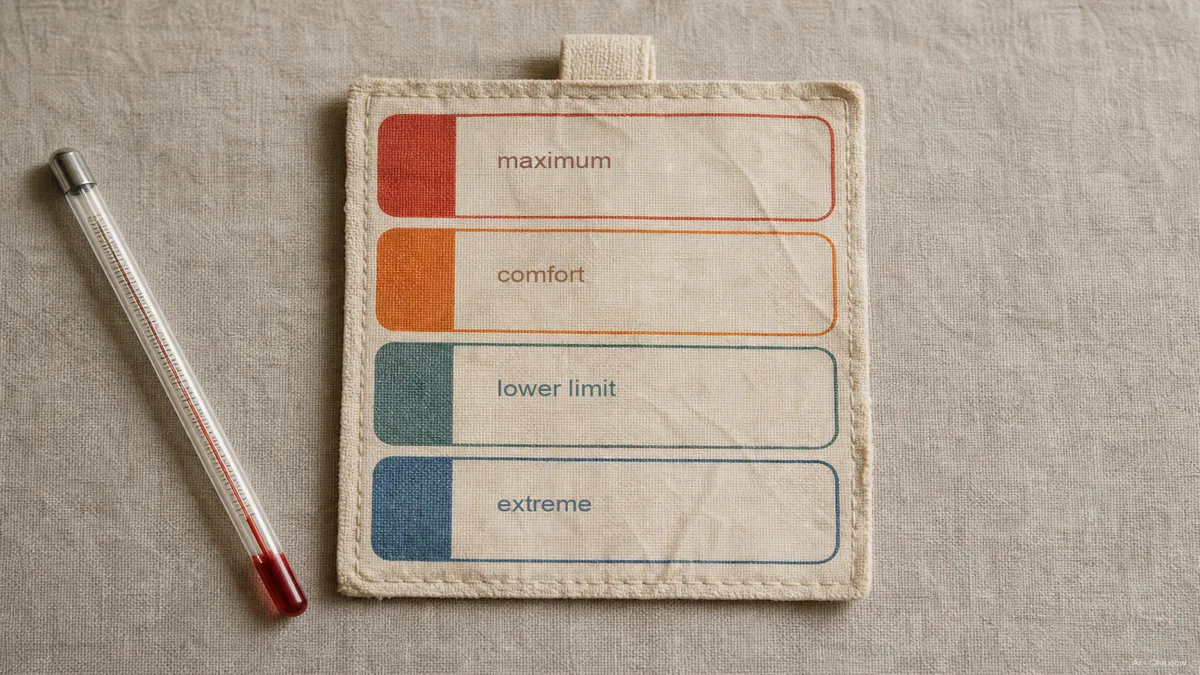
The illustration includes a maximum label too. You need not find four numbers on every tag: Alton's ISO explanation focuses on comfort, limit and extreme. If the listing gives only “rated to,” ask which rating and test it means before shortlisting it.
Turn your trip into a temperature requirement
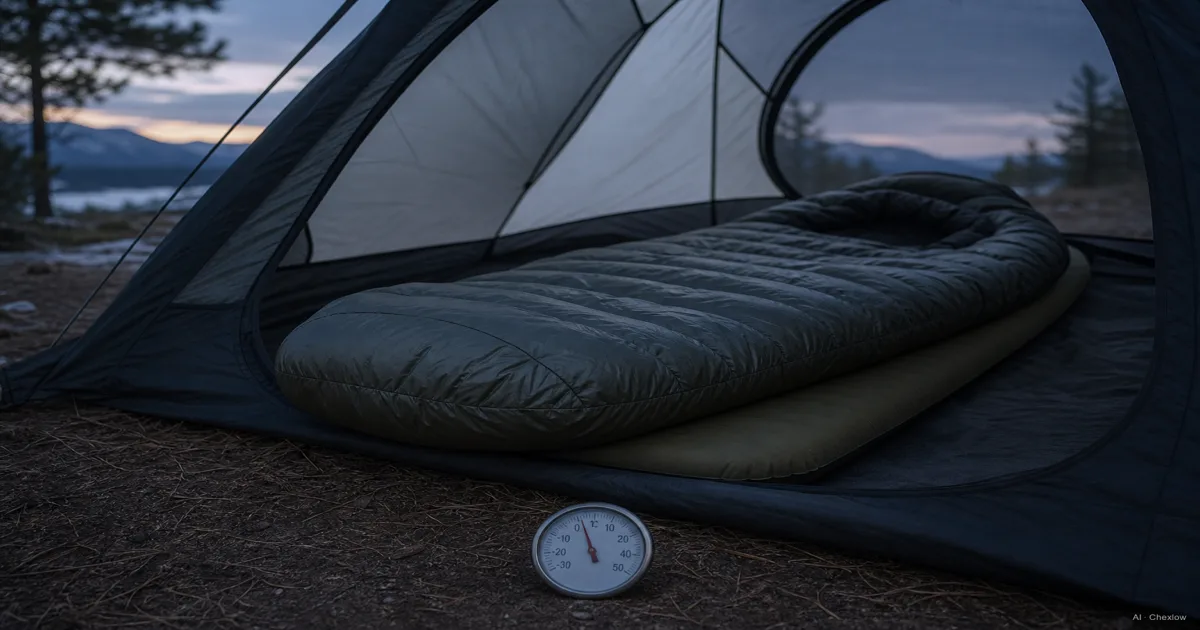
Write down the lowest overnight temperature expected at your actual campsite. If you do not yet know whether you sleep warm or cold outdoors, use comfort as your starting point; that is this guide's beginner recommendation.
For cold sleepers, Alton recommends a comfort rating at least 5°C below the expected low. At an expected 5°C, that means comfort 0°C or lower, not limit 0°C. This is a planning margin, not a promise that everyone will be warm.
For an exposed or remote trip, get advice for the route and your whole sleeping setup before treating any single margin as sufficient.
Check the pad before spending more on the bag
A pad's R-value describes resistance to heat flow: higher means more insulation from the ground. REI's pad guide places R 4.0–5.4 in its cold-weather group. Use that as a starting range for discussion, not as a conversion into a sleeping bag temperature.
Check your existing pad's specification first. If it is unsuitable for the conditions, compare insulated pads alongside the bag; a colder bag rating does not settle the ground-insulation question.
Pack dry sleep clothes rather than relying on sweaty hiking clothes, as deuter advises. If you still need that layer, the next choice is merino or synthetic base layers.
Choose fill for the journey you will carry it on
- Car camping and a tighter budget: start with synthetic candidates.
- Carrying the bag and saving pack space: compare down candidates at the same comfort rating.
- Wet conditions and limited drying opportunities: give synthetic serious consideration.
These choices follow REI's insulation comparison: down compresses well, while synthetic usually costs less, dries faster and can still insulate when wet. Keep either dry; water-resistant down is not waterproof.
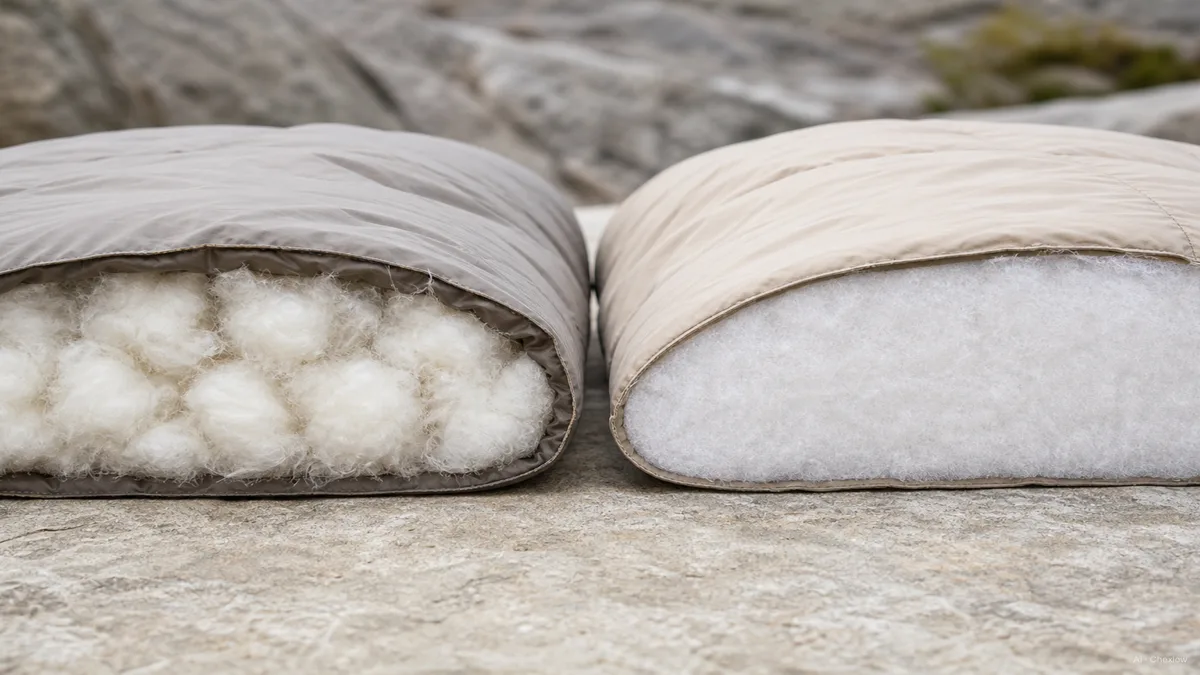
Fill power measures how much space a given weight of down occupies. NEMO explains why a higher number can save weight in otherwise comparable bags. It does not replace the finished bag's comfort rating: compare that first, then total weight and packed size.
Try the shape, then make the final choice
A tapered mummy suits someone who likes an enclosed fit; a rectangular bag offers more movement. Both still need a suitable temperature rating. (REI's shape guide)
Lie in your usual sleeping position. Check length and shoulder, hip and knee room: Sea to Summit warns that a tight fit can compress insulation and create cold spots. Try the hood and zip while inside.
A backpacking quilt is a genuine alternative if you want less bulk and are willing to practise pad attachment and draft control. If straightforward enclosure matters more, start with a bag. (REI's quilt comparison)
Before buying, keep a short record for each finalist:
- Warmth: test method, comfort figure and your expected low.
- Setup: pad R-value and dry sleep clothes.
- Use: fit in your sleeping position, total carried weight and packed size.
If one of those is unknown, resolve it before choosing by price.
Hoe deze gids is opgebouwd
Written by Housnap's AI editorial team using REI guidance and manufacturer explanations from Alton, deuter, Sea to Summit and NEMO. This guide organizes temperature, pad, insulation and fit checks for a first purchase; it does not report product testing or new human review.