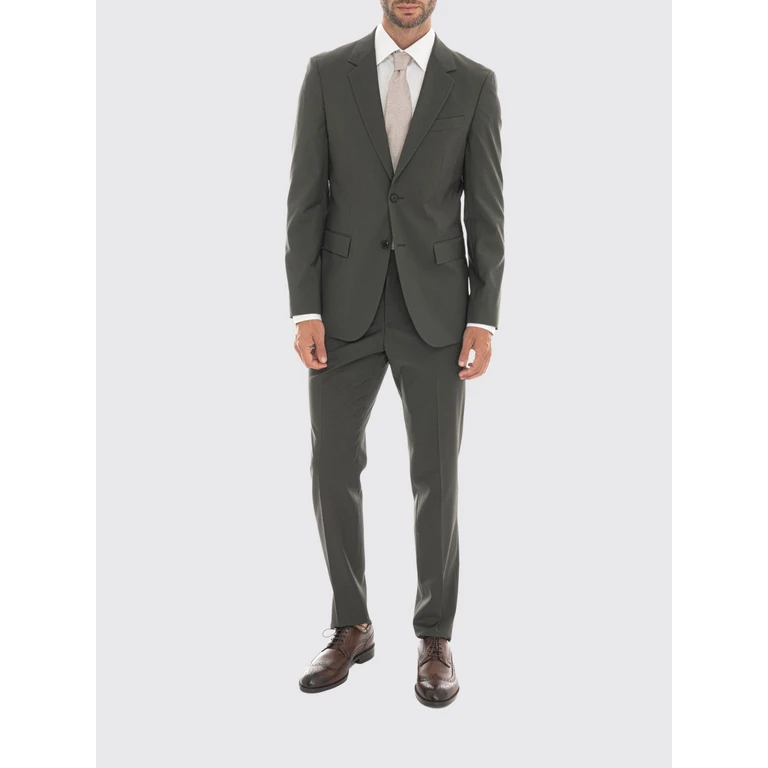
Actuele producten om te vergelijken
Deze producten komen uit Housnap-zoekresultaten voor dit onderwerp.

Decide where this suit needs to work
Write down the occasion, the weather and your total budget including alterations. If the invitation or workplace specifies attire, use that requirement before a general first-suit recommendation. If you mostly want a jacket with separate trousers, first compare a blazer with a suit jacket.
For a general-purpose shortlist, navy or charcoal and a single-breasted, two-button jacket are sensible starting points, also suggested by Black Lapel. Choose navy if you prefer blue; choose charcoal if you prefer a neutral grey. Neither wins regardless of fit.
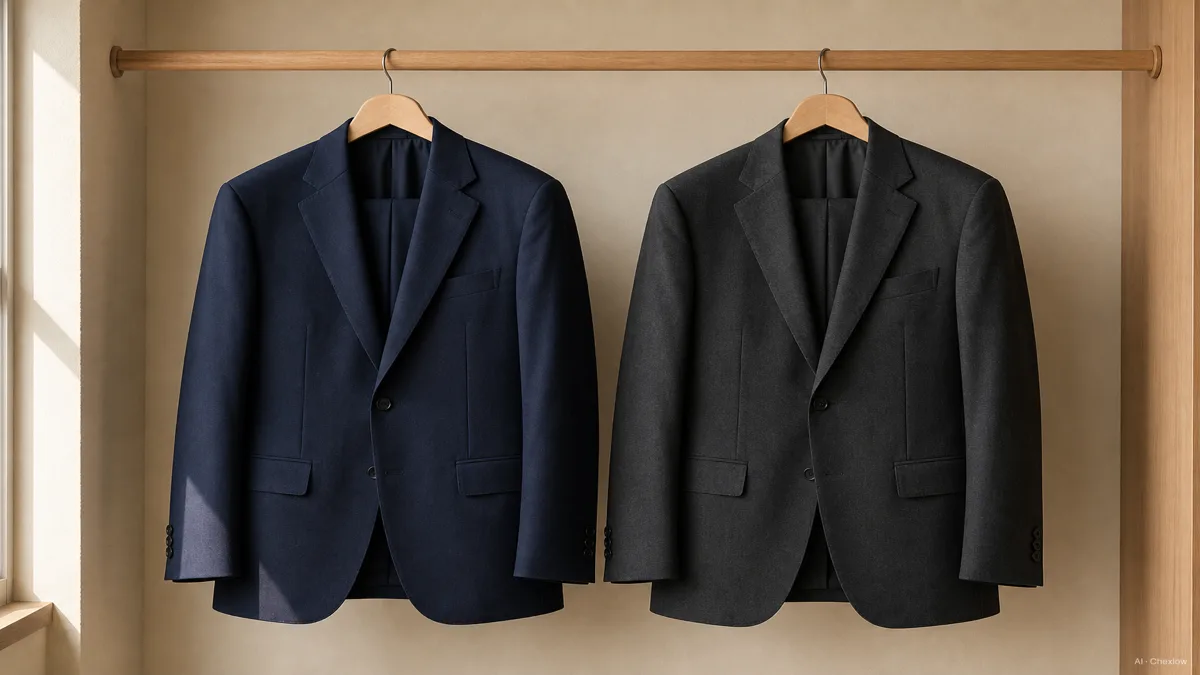
Check each colour beside the shirt you intend to wear, preferably in daylight. Confirm that the listing includes matching trousers; a jacket photographed with trousers is not enough.
Try on the whole suit before judging the size
Bring your intended shirt and shoes. If the shirt is still undecided, use the Oxford, poplin and twill guide before finalising the fitting.
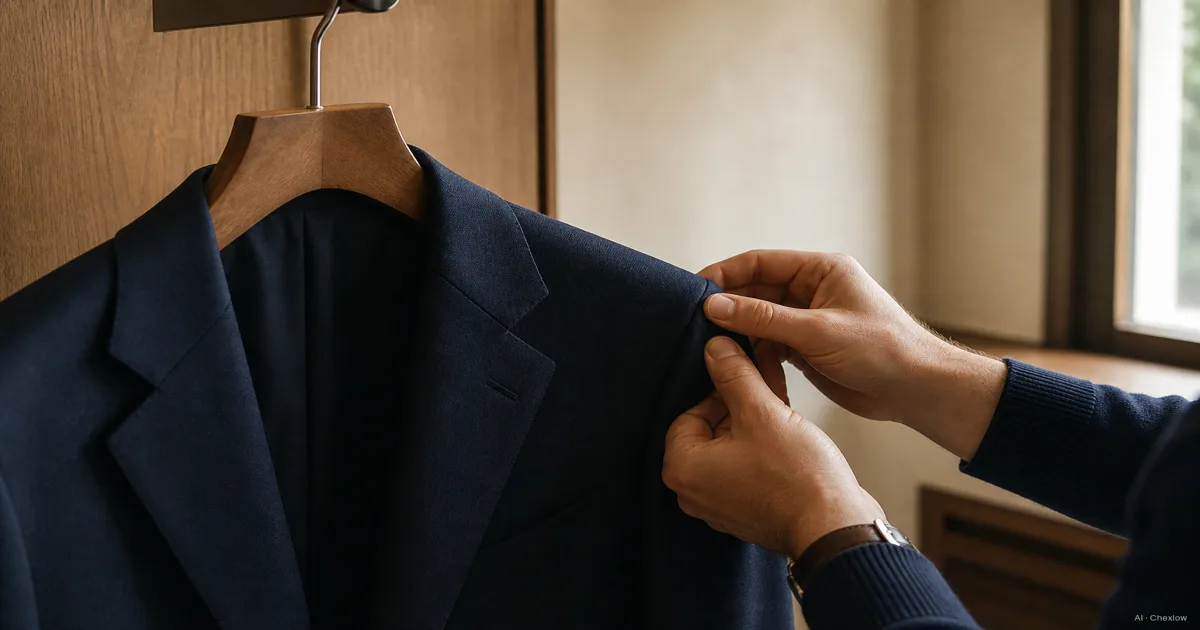
- Shoulders and chest. Look for a smooth shoulder line and flat lapels. Seam placement varies with the cut; do not demand exact alignment with the shoulder bone. Lapels bowing away suggest insufficient chest room. Proper Cloth explains these checks.
- Collar and waist. The collar should meet the shirt without a gap or bunching. An X-shaped pull at the fastening flags a tight waist. Oliver Wicks illustrates both.
Now walk, sit and reach forward normally. Note where you feel pressure, including the trouser seat and thighs. Try another cut as well as another size instead of assuming every tight area can be let out.
Pick fabric for the conditions, then read the label
Start your comparison with worsted wool. “Worsted” refers to processing that aligns fibres and combs out short ones for a smoother result, as Woolmark explains. It is not a promise of year-round comfort.
For warm conditions with a tidy appearance, consider tropical wool; Suitsupply describes its better crease resistance than linen. For a more relaxed purpose, cotton is worth comparing; linen is an option when visible creases suit the occasion. Nathan Tailors discusses those tradeoffs.
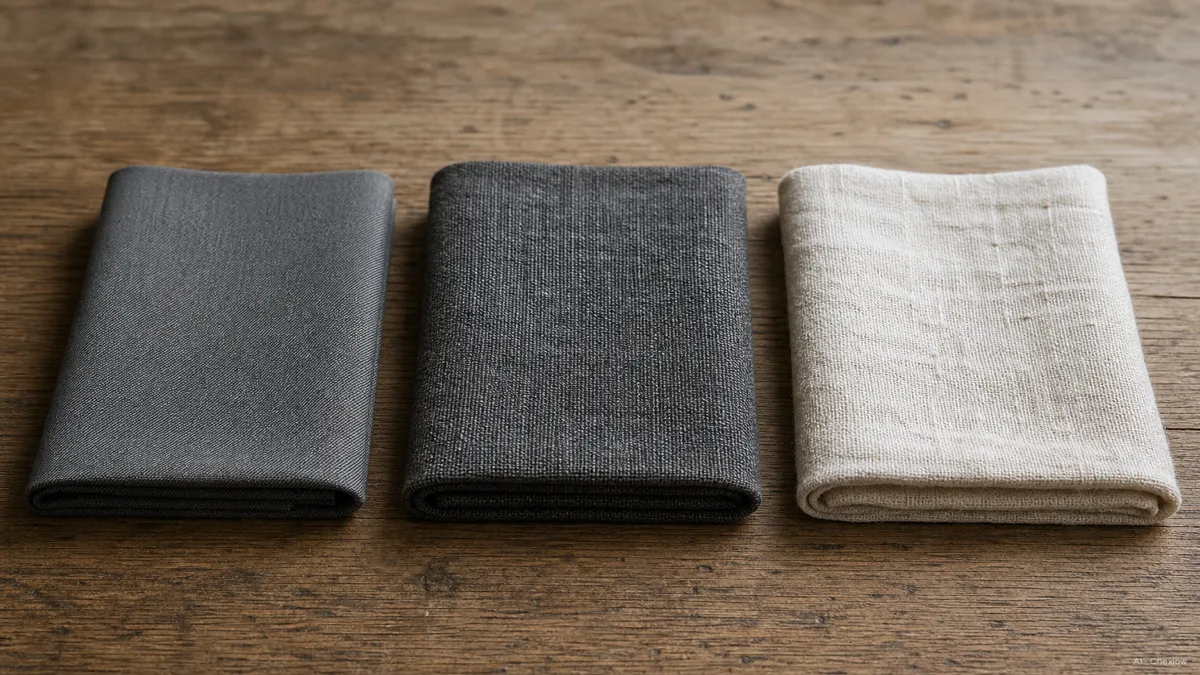
Three questions for the label
- Composition. Read the actual fibre percentages. For a blend, ask what the added fibre contributes and compare the finished suit on your body.
- Super number. This classifies wool fibre diameter, not overall suit quality. A higher number means finer wool; it does not establish a lifespan. See Woolmark’s specification.
- Weight. Ask whether grams refer to a linear metre or a square metre. Compare like units, then consider weave and lining; weight alone cannot settle warmth. Enzo Custom explains the distinction.
Turn fit concerns into an alteration quote
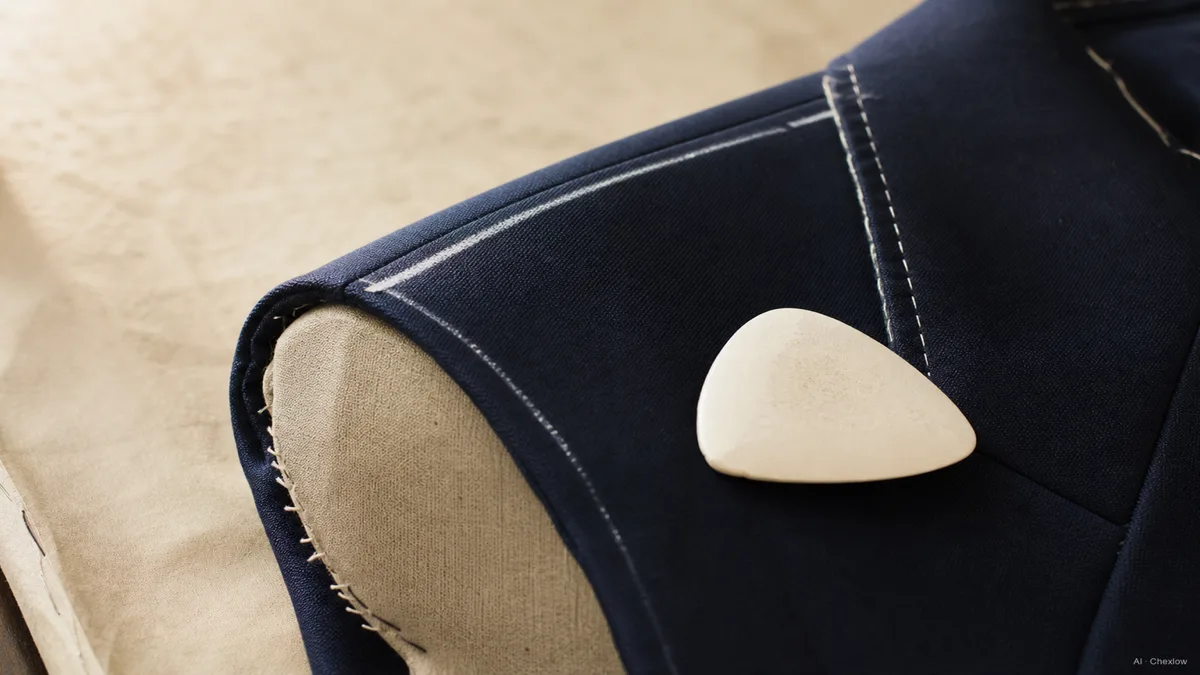
Ask the tailor to mark the proposed changes while you wear the suit. Lengthening needs spare fabric; working sleeve buttonholes can complicate shortening. Shoulder and collar work can be possible but substantial. These are limitations described by Oliver Wicks, not automatic reasons to declare a garment unfixable.
- Get a quote. If the overall fit works and the remaining issue is a hem or modest adjustment, ask what can be achieved on this garment.
- Try another suit first. If the plan requires rebuilding the shoulders or changing the jacket’s basic proportions, compare another cut before committing.
- Confirm the practical details. Ask for the total charge, completion date and a fitting after alteration. Check the seller’s return conditions before any work starts.
Choose between the finalists
Compare only suits that passed the fitting and suit your occasion. Put the garment price beside the confirmed alteration charge, then compare comfort, fabric and colour.
A useful final question is: “What still has to change before I can wear this?” Buy when the answer is specific and the agreed work fits your budget and deadline. If the answer is still “the tailor will somehow fix it,” keep looking.
Hoe deze gids is opgebouwd
Written by AI for Housnap, using published guidance from tailoring brands and Woolmark’s material documentation. This guide turns those sources into a first-purchase checklist; its shortlist and buying sequence are editorial judgments, not product tests or a new human review.