Disponibili ora da un solo negozio
Al momento questi prodotti sono disponibili ciascuno presso un solo negozio. Il confronto prezzi si aprirà con più negozi.

Choose how you want to apply it, then check the formula
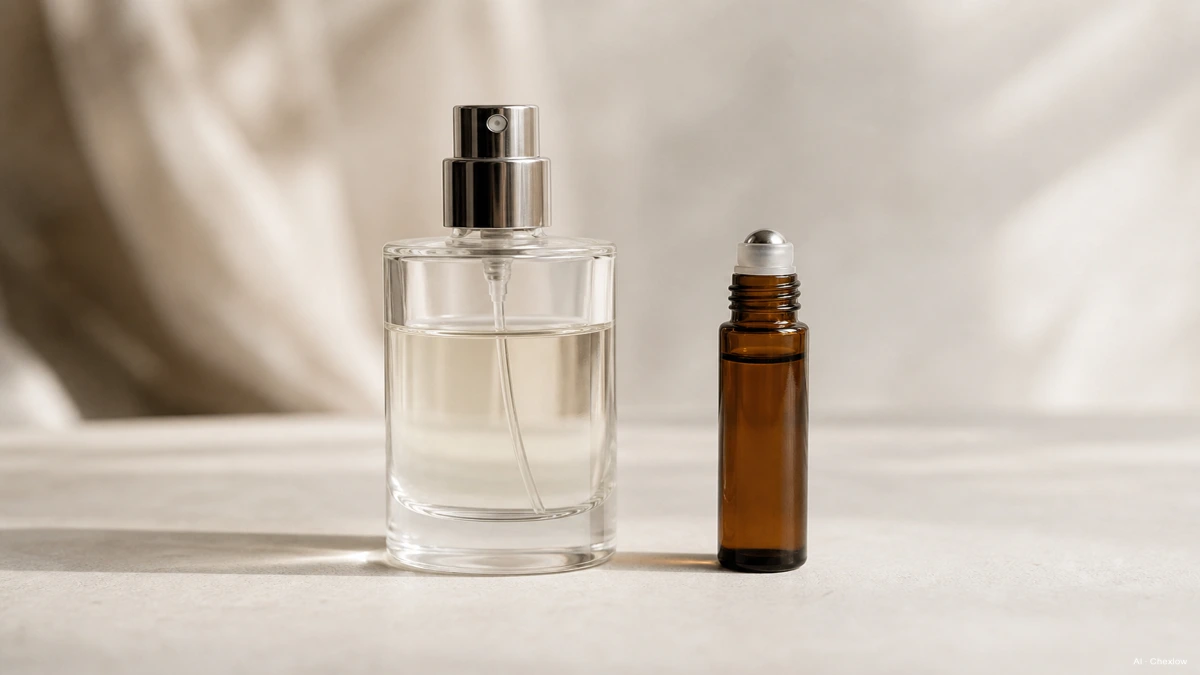
The useful first choice is the action you want to repeat each morning: placing perfume on a small area or spraying it. Use that preference to shortlist bottles, rather than buying whichever promises the most hours.
- Try an oil first if you like applying perfume directly and want to explore a scent that stays close. Nemat, for example, describes its oils as alcohol-free and designed for that effect. Treat this as a description of those products, not a guarantee for every oil.
- Try a spray first if misting suits your routine. Check the formula: BYREDO's Bal d'Afrique EDP lists alcohol, fragrance and water; the brand advises checking packaging for ingredient changes.
Read the intended use as well as the format. For this purchase, shortlist finished perfumes expressly intended for skin, and leave out diffuser oils or fragrance-making ingredients. The FDA distinguishes body fragrances from room-fragrance products; an appealing scent name is not enough to establish how a product should be used.
If skin reactions are part of the decision, pause here
Alcohol-free does not mean fragrance-free. Natural and synthetic fragrance ingredients can cause allergy. Reactions can appear hours or days later, so a comfortable first application is not an all-clear. See DermNet's fragrance-allergy guidance.
If perfume has caused a rash before, consult a dermatologist before self-testing another scented product. Stop using a candidate that causes a reaction. Switching to an oil is not an allergy workaround. DermNet recommends medical advice before self-testing for fragrance allergy.
Also keep perfume off cuts and abrasions. Jo Malone London specifically warns that alcohol-containing fragrance can sting broken skin. Make skin suitability a separate decision from whether you like the smell.
Compare a normal day's wear, not just the first sniff
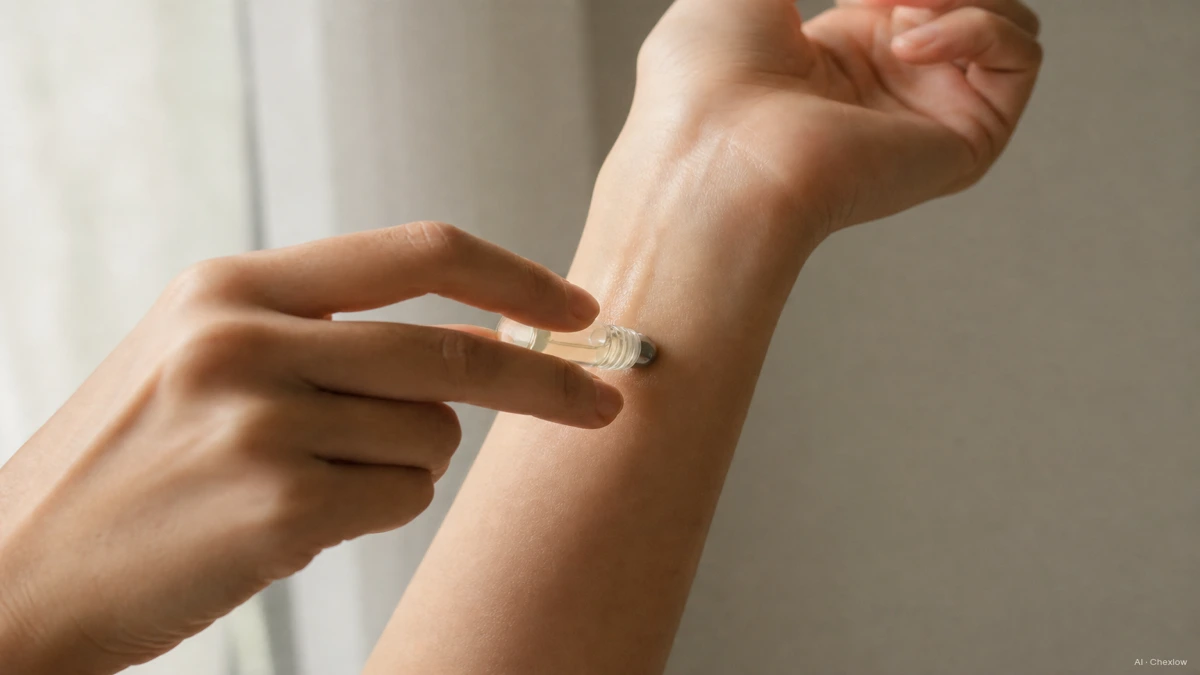
Once the skin questions above are addressed, try a sample of the exact version you might buy. The following is a practical comparison routine, not a clinical allergy test or a laboratory measurement.
- Apply. Follow each product's directions and start sparingly. With a rollerball, place a little on the permitted skin area; Nemat includes wrists among its oil application points. For a spray, follow its own distance and application instructions. Do not assume one roll equals one spray.
- Keep the comparison simple. Wear each candidate on a separate, otherwise ordinary day without layering another perfume. Note which product you used and how you applied it.
- Check twice beyond the opening. Revisit it after it has settled and near the end of the period you need it for. Record whether you still enjoy the smell, whether you can detect it close to your skin, and whether its presence around you feels appropriate.
The opening is only part of the experience: DermNet explains that top, heart and base notes contribute at different stages. Separately, Jo Malone notes that its colognes' longevity varies with the wearer and layering. Those are reasons to compare your candidates in use, rather than assign a fixed wear time to an entire format.
Buy the version that passed your comparison
Use your notes to make the purchase conditional:
- Choose the oil if you enjoyed its later scent, liked placing it directly on skin and found its reach suitable for your day.
- Choose the spray if you preferred misting and its actual presence and wear met your needs. A dramatic opening alone is not a reason to buy it.
- Keep sampling if you liked only the opening, found the scent intrusive or still cannot decide. Choose a smaller format when available rather than committing to a large bottle on an assumption. If either caused a skin reaction, return to the skin guidance before trying replacements.
One distinction helps when shopping: oil versus alcohol describes the base, while EDT, EDP and extrait concern concentration. Maison Francis Kurkdjian describes those concentrations in alcohol-based fragrances. An extrait is therefore not automatically an oil perfume.
If you have chosen a spray but are still deciding between versions, continue with how to compare EDT, EDP and Parfum. Keep the exact version you sampled on your shortlist.
Come è stata costruita questa guida
This guide was written by AI for Housnap, using manufacturer ingredient and application information, DermNet's fragrance guidance and FDA consumer information. It focuses on choosing a first perfume format; the comparison routine is editorial guidance, not a product test or an allergy diagnosis.