Disponibles actuellement chez une boutique
Ces produits ne sont proposés pour l’instant que par une seule boutique chacun. La comparaison de prix s’ouvrira avec plus de boutiques.
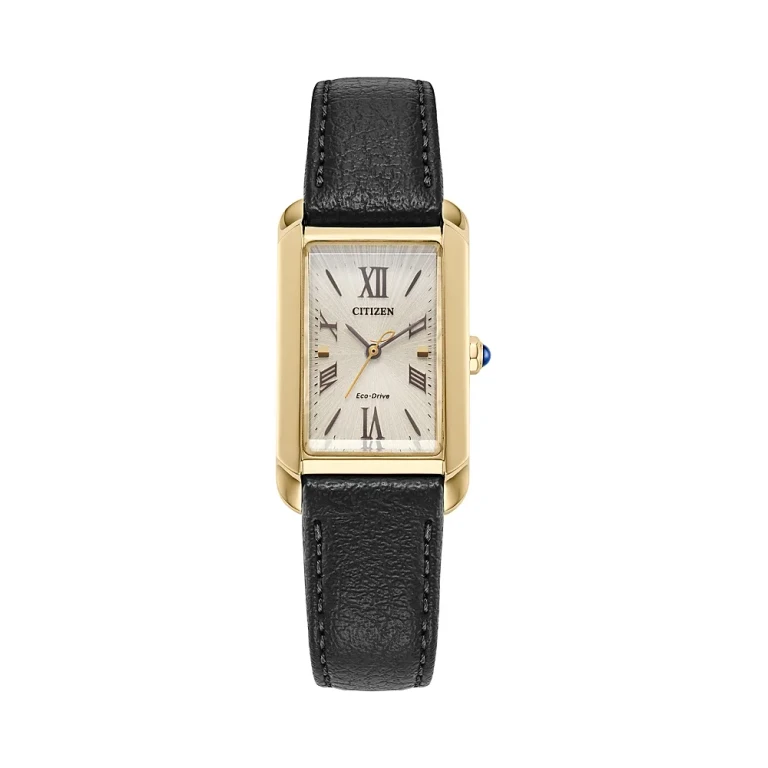
Citizen
Eco Drive Classic Bianca Montre

Citizen
Eco-Drive Classic Petite Palidoro Watch, 14mm x 28mm

Citizen
Eco-Drive Blue Angels Promaster Air Navihawk Chronograph, 40mm

Citizen
Eco Drive Sport Casual Brycen Chronograph, 45mm (AT2586-05E)
Choose the ownership experience first
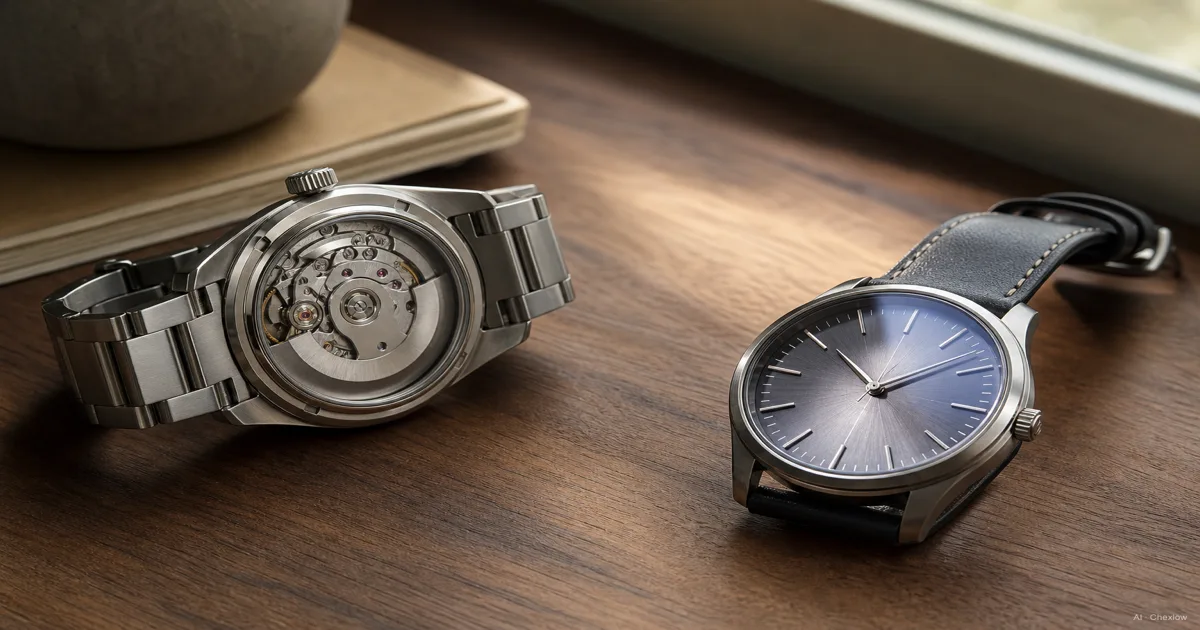
Picture picking up your watch before leaving home. Would winding it and setting the time feel satisfying, or would you rather get straight out the door? That is a more useful starting point than choosing a winning brand.
- Start with Seiko 5 Sports for mechanical interest. An automatic stores energy in a spring wound by wrist movement. The 4R36 also allows winding with the crown, the small knob on the case. You need to be comfortable restarting and resetting it after its reserve runs down. Seiko explains the winding process.
- Start with Citizen Eco-Drive for convenience. It converts light into electrical energy. Indoor lighting can contribute, but charging time depends on the watch and light source. Choose it if you can give the dial regular exposure to light, including when you are not wearing it. Citizen’s charging guidance explains the difference.
This comparison focuses on those two buying routes. Seiko also has solar watches, and Citizen makes automatic Promaster watches. A logo alone does not identify the movement, the mechanism that powers and regulates the watch.
Compare accuracy separately from running time
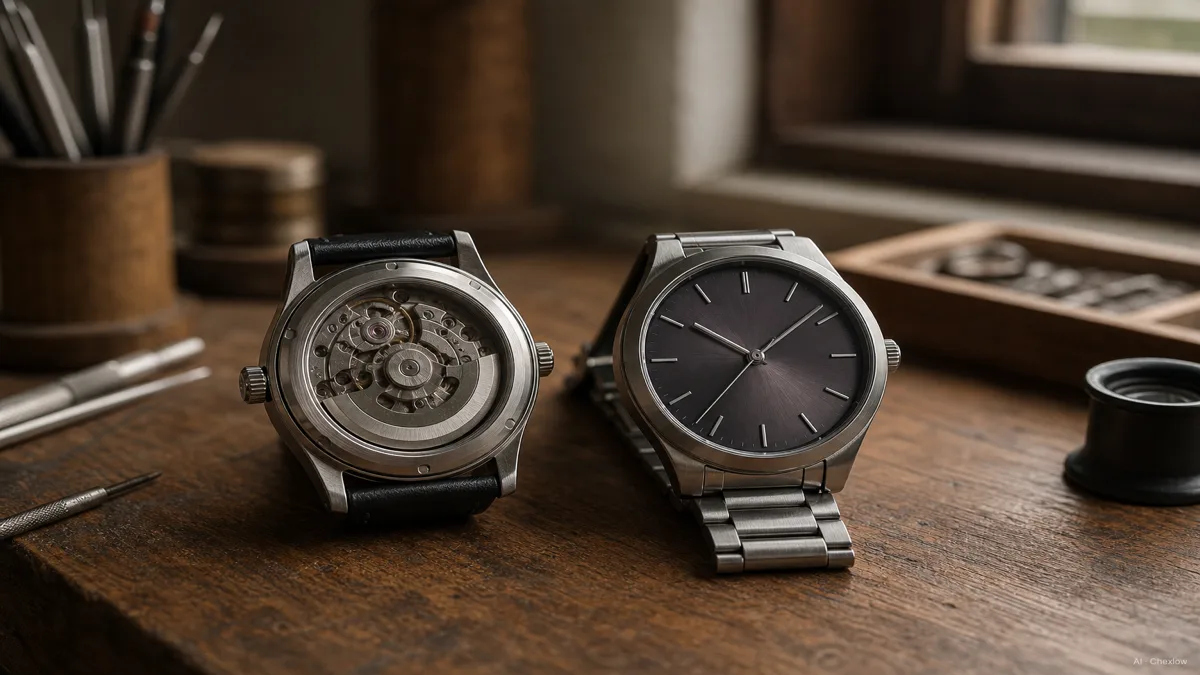
Two specifications answer different questions: how much the watch can drift, and how long it runs without more energy. Neither number tells you how comfortable it will feel.
- Accuracy. Seiko specifies the 4R36 at −35 to +45 seconds per day for wrist use at 5–35°C, with results affected by use. Citizen’s E168 specification is an average ±15 seconds per month at the same temperature range. These are movement-specific figures, not a ranking of every watch from either brand. See the Seiko specifications and Citizen E168 manual.
- Time off the wrist. The Seiko 5 Sports SRPD55 uses the 4R36 and lists approximately 41 hours of reserve. If you leave it unwound from Friday evening until Monday morning, plan to restart it. Check the reserve of your actual candidate rather than assuming every automatic lasts through a weekend. SRPD55 specifications.
For these examples, choose the Eco-Drive route if frequent time correction would bother you. Choose the automatic because you want the mechanism and accept its trade-offs. If that preference is still unclear, explore quartz versus automatic for a first watch before narrowing the model list.
Check fit and water use before comparing prices
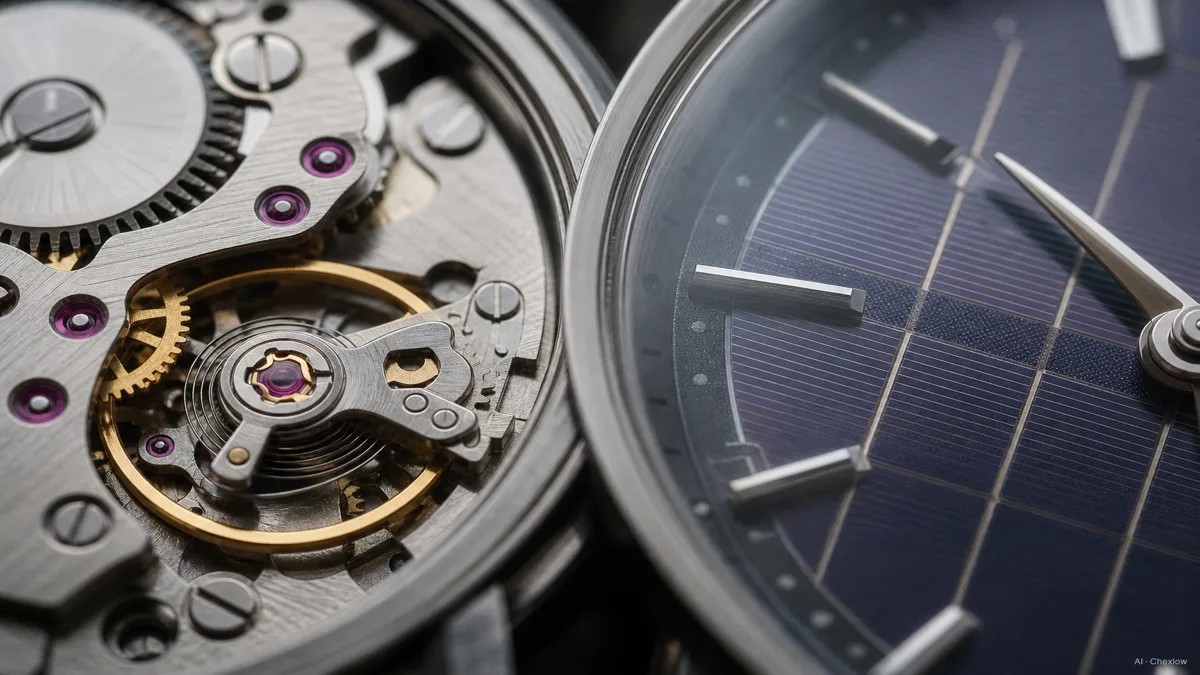
Try your shortlisted watches with the clothes you actually wear. Bend your wrist, fasten the strap and pull a sleeve over the case. Reject a watch that presses uncomfortably or catches your cuff, even if its movement is your preferred type.
The SRPD55 measures 42.5mm across, 46mm from lug tip to lug tip and 13.4mm thick. Those are three separate dimensions to compare, not interchangeable size labels. Seiko’s product page lists them together. If you cannot judge the fit from those measurements, use the watch case size and wrist-fit guide to prepare for a try-on.
Water use can change the shortlist completely. The SRPD55 is rated at 10 bar; Seiko’s water-resistance guidance does not approve that rating for scuba diving. The Citizen Promaster BN0150-28E, by contrast, has a 44mm case and a 200m scuba-diving designation. Citizen lists those specifications for this reference specifically.
If you intend to dive, select a model explicitly intended for that use and follow its manual. If you only like the appearance, do not let a rotating bezel substitute for a fit check.
Finish with one model from each route
Put one suitable Seiko 5 Sports and one suitable Citizen Eco-Drive side by side. Compare the exact references, including their straps, delivered purchase costs, return terms and applicable warranty. A brand-wide price range cannot tell you which of those two purchases is better for you.
Include future service in that decision. Seiko’s service guidance describes cleaning, lubrication and adjustment for its mechanical movement. Ask a local service provider what the chosen reference would cost to maintain.
Eco-Drive avoids routine disposable-battery changes, but it is not a promise of maintenance-free ownership. The E168 manual describes a rechargeable cell and recommends inspections because deterioration can increase power consumption. For charging, follow the model’s instructions and avoid hot lamps or a car dashboard, as Citizen warns.
- Choose the Seiko candidate if its fit works and the mechanical experience is worth resetting and servicing to you.
- Choose the Citizen candidate if easier timekeeping matters more and you can keep it adequately charged.
- Keep looking within either brand if neither fits or meets your intended water use. Changing the reference is more useful than buying an uncomfortable watch to settle the brand debate.
Comment ce guide a été conçu
This guide was written by AI for Housnap, using Seiko and Citizen product specifications, movement manuals and support guidance. It focuses on first-watch decisions, using named references to make the trade-offs concrete; the recommendations are editorial judgments, not results from hands-on testing.