Productos actuales para comparar
Estos productos vienen de los resultados de Housnap para este tema.
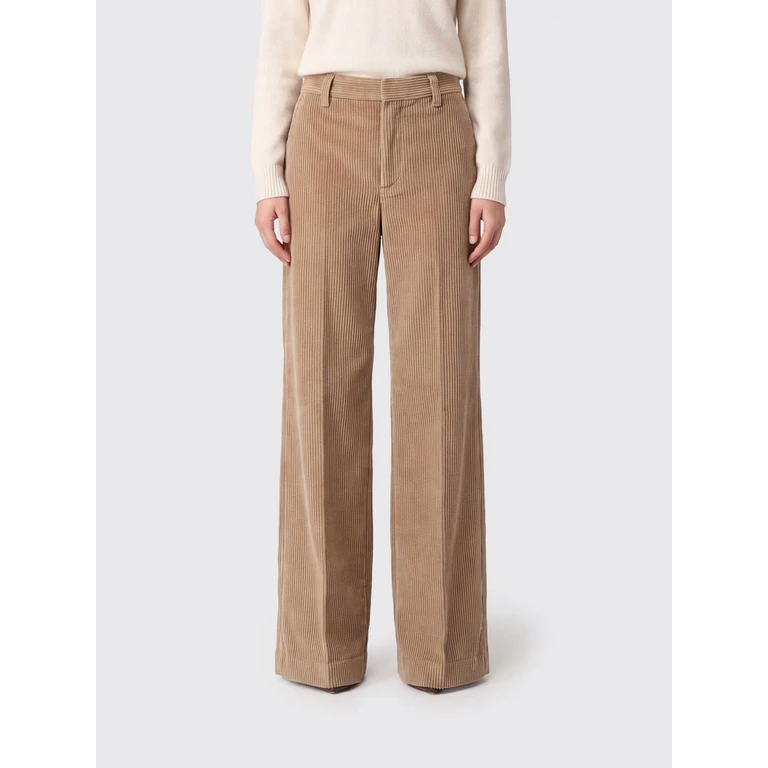
Brunello Cucinelli
Pantalón de talle alto y pierna ancha de terciopelo de pana
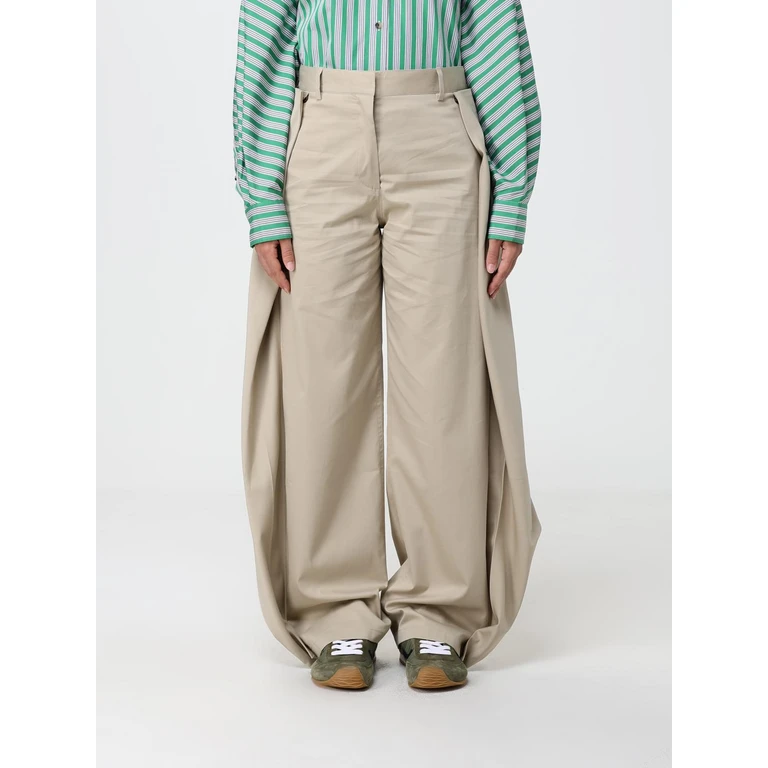
Loewe
Pantalón ancho de talle alto con drapeado en seda y algodón
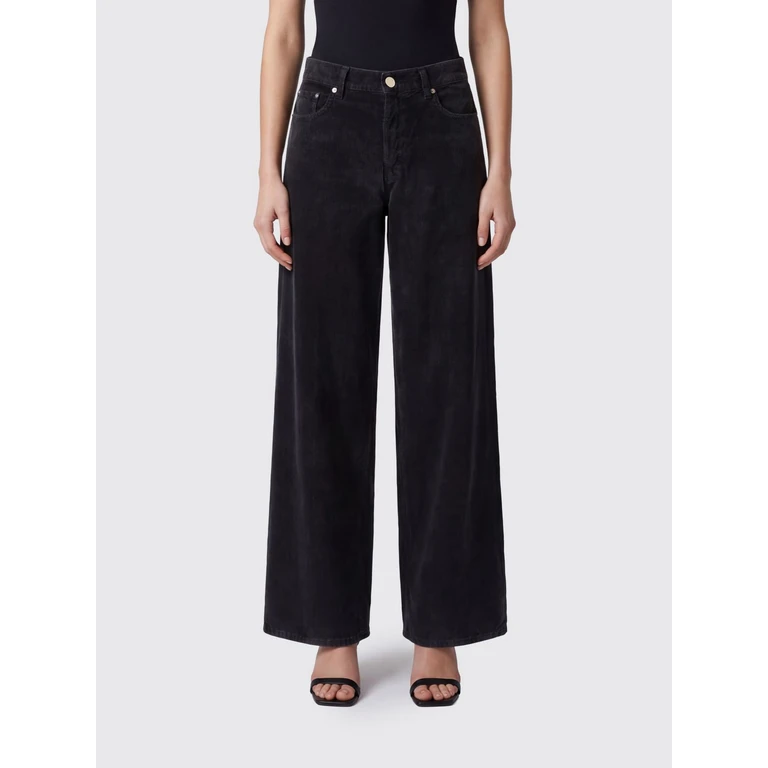
Haikure
Pantalón Bethany de pata ancha en algodón pana
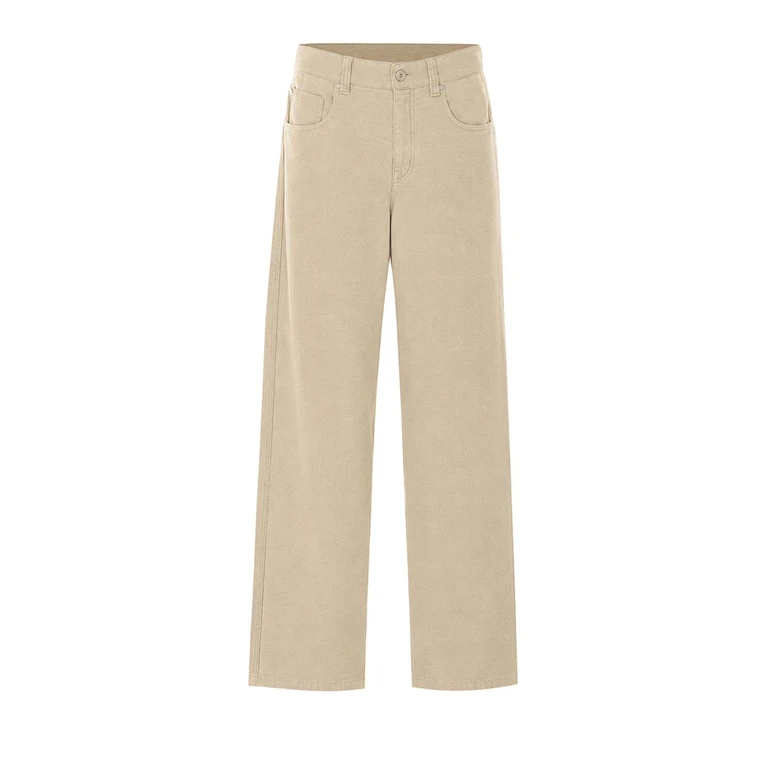
Brunello Cucinelli
Pantalones casuales Brunello Cucinelli - Beige
Set the waistband and shoes first
Bring the shoes you expect to wear most often. Fasten the trousers where you actually want them to sit; pulling the waistband higher just to lift the hem changes the fitting you are judging.
Proper Cloth’s fitting guide checks length with the intended shoes and waistband position. It also explains why matching inseams do not guarantee matching overall lengths: changing the rise can move the crotch point while the inseam stays the same.
If you alternate between low shoes and heels, try both before choosing a length. Treat each combination as a separate check rather than assuming one successful fitting covers both.
If the waist fits but sitting feels restrictive, pause the length decision and check the trouser rise and seated fit. Shortening the hem is not the next step for that problem.
Compare three garment measurements
Ask for measurements of the actual size you are considering. Check whether the chart describes the body or the finished garment, and use the seller’s measuring method when comparing it with trousers you own.
Proper Cloth’s garment guide separates three useful measurements:
- Inseam: from the crotch seam junction down the inside leg to the bottom edge.
- Total length: from the waistband top down the side seam to the bottom edge.
- Leg-opening width: across the flattened hem from edge to edge. This is a flat width, not the measurement around the opening.
Use a measuring tape you already own, or ask the seller to supply the missing figures. Record the units and whether the opening measurement is flat or around; a number headed only “length” needs clarification.
For a useful shortlist, compare inseam and opening width together. If the rise differs noticeably from your reference pair, also compare total length and wearing position. “Wide leg” alone does not tell you where the hem will land.
Check shoe contact separately from floor contact
A break is the fold formed where the trouser leg rests on the shoe. Proper Cloth’s explanation treats the amount as a preference and notes that both lower-leg taper and inseam affect it; its illustrated examples concern traditional lace-up dress shoes, so do not copy their exact stopping points onto every shoe.
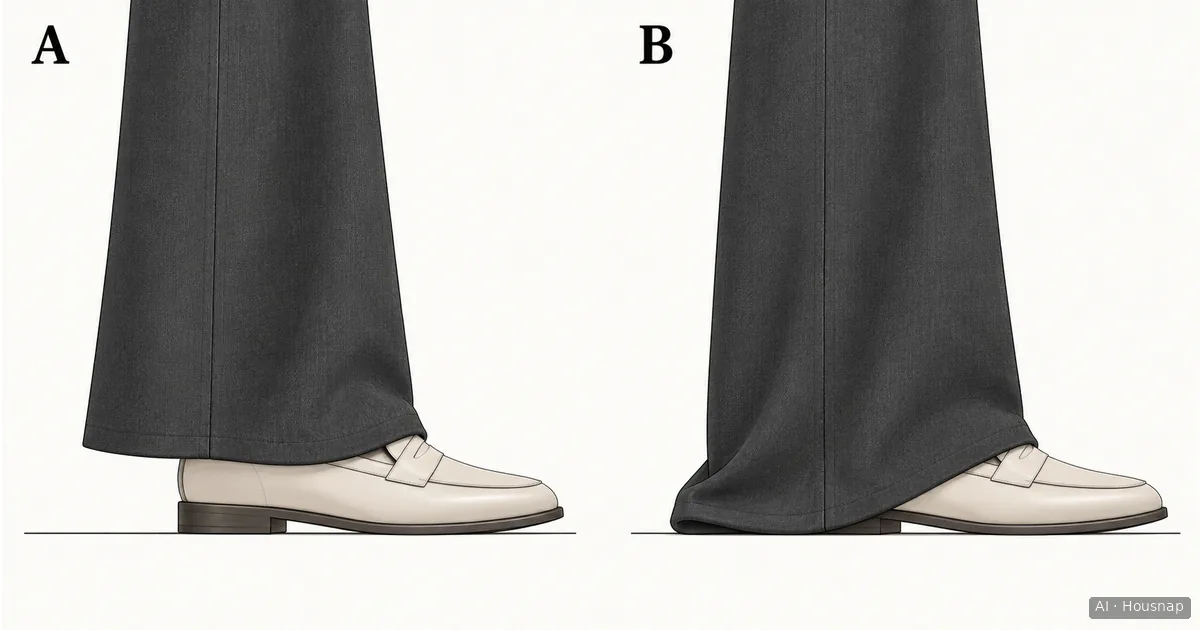
For everyday full-length trousers, use ground clearance as a practical buying criterion, then choose the front drape you like. A little fabric resting on the shoe and a back hem resting on the floor are different observations.
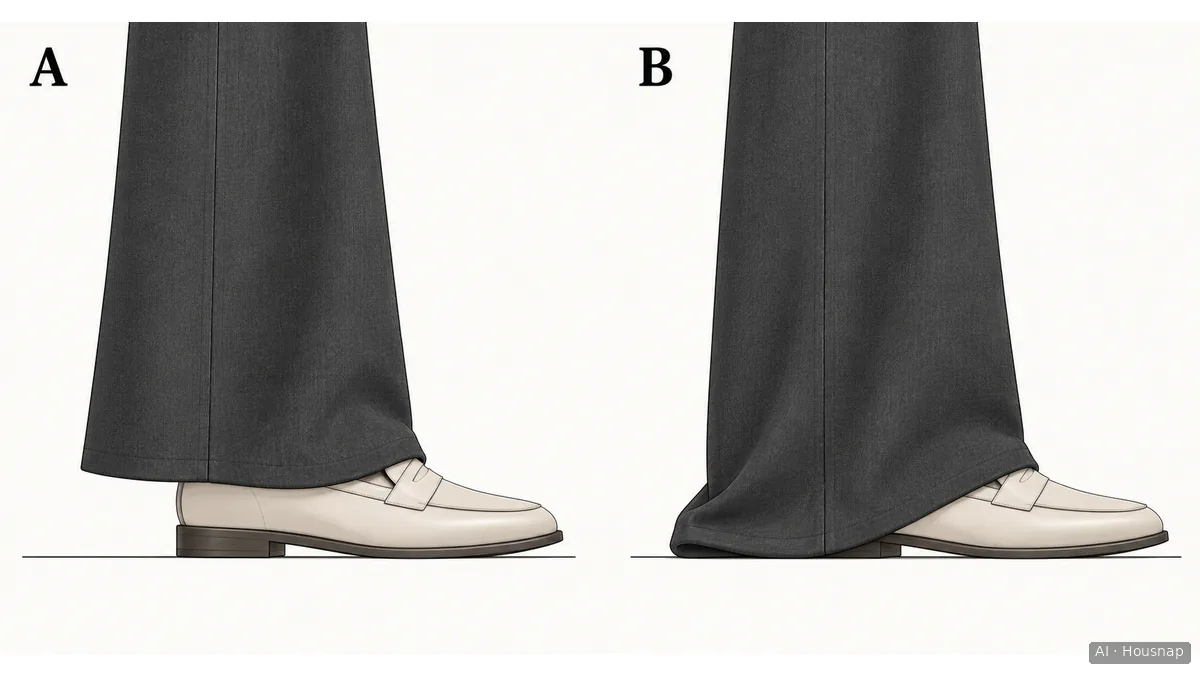
A shows rear ground clearance; B shows floor contact. This is a comparison illustration, not a scale drawing or a prescribed gap. It cannot show what happens when you walk.
Stand normally, look from the side and back, then walk and turn in the intended shoes. Check whether either hem brushes the floor or slips beneath the shoe.
- Keep the candidate if the waistband stays where you want it, the drape suits you and the hems stay clear during the check.
- Compare a shorter length if the upper fit works but the hem drags. If considering alterations, ask a tailor to confirm the proposed finish and check the seller’s return terms before cutting.
- Compare a different opening or cut if shortening removes the length you want but the fabric still sits awkwardly on the shoe. Recheck both dimensions rather than buying solely by inseam.
Buying without a fitting? Request the missing measurements and confirm return conditions. A model photograph is not a measurement of how the trousers will meet your shoes.
Cómo se elaboró esta guía
Housnap’s AI wrote this guide using Proper Cloth’s published measuring and fitting documentation. It focuses on choosing trouser length and opening width with intended footwear; the ground-clearance check is an editorial buying criterion, not a universal tailoring specification or a report of product testing.