Measure the lace you actually use
Before removing the old lace, check whether its bow and loose ends are a useful length. Note which holes you use and how the lace runs through them; a quick photo makes that route easier to reproduce.
Ironlace recommends removing the lace and measuring from tip to tip, adjusting the replacement length if the original was too long or too short. Measure one whole lace, including both tips, rather than the two laces added together. Use an existing tape measure or metric measuring ruler; a flexible tape is convenient if you need a measuring tool.
Record the measurement and unit, plus whether you want more or less room for tying. Do not copy the old length without checking how it worked: a lace that barely made a bow is a reference for adjustment, not a successful fit. Ironlace also notes that different lacing styles require different lengths, so keep the same route when using the old lace as your reference.
No original lace? Recreate the route and bow
Use a piece of string or yarn through the holes you intend to use. Shoelaces Express describes adjusting the bow and ends before removing and measuring the string. Include your usual knot, including a double knot if that is how you wear the shoes. Treat the result as an estimate to check with the replacement, rather than proof that every lace of that length will work.
If you only have an eyelet chart, count the holes down one side to get the number of pairs. A row with one hole on each side is one pair, not two. The chart is a starting point: spacing between holes, shoe construction and your preferred bow all affect the length needed.
Between two offered lengths, decide what the extra length is for. The shorter option leaves less excess and a smaller bow; the longer option gives more room for a larger bow or double knot. If neither fits your measured requirement, ask about another length instead of choosing a universal extra allowance.
Match the lace profile before ordering
Length is only one entry in your notes. Shoelaces Express separates the measurements by lace shape:
- Flat lace: lay it flat without stretching it and measure across its widest part.
- Round lace: measure its diameter across the round profile.
- Oval lace: measure the widest part with the lace resting naturally.
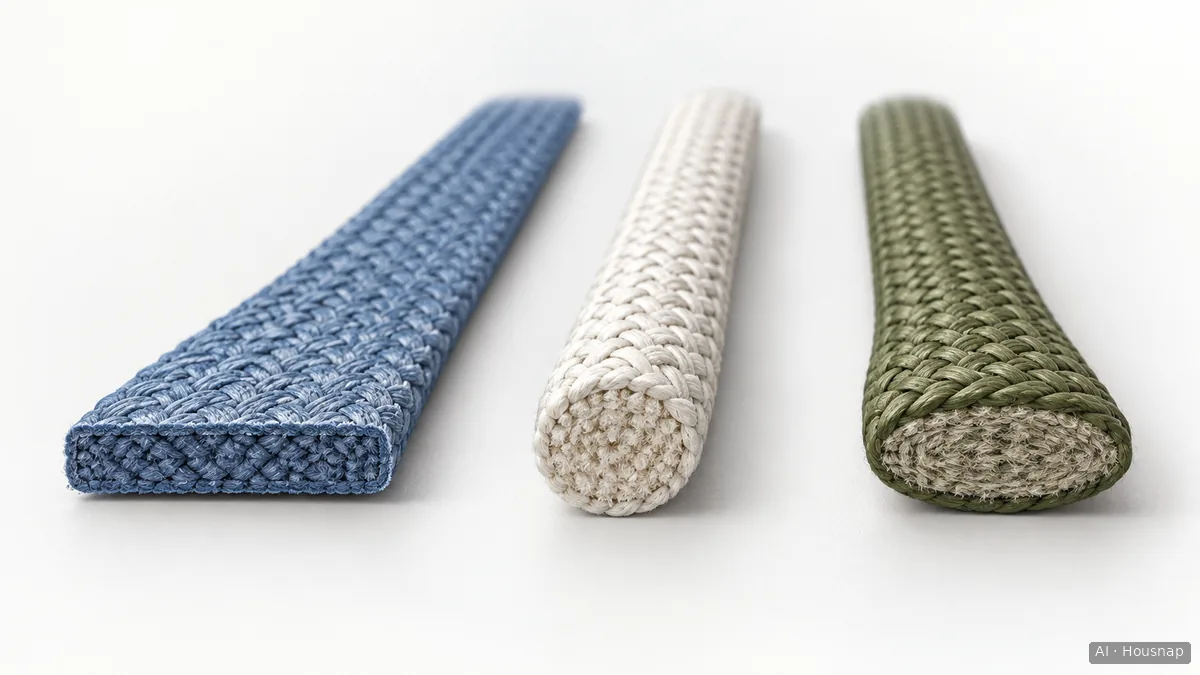
The illustration shows which shapes to compare; it is not an actual-size measuring guide. Measure the real lace rather than holding it against a screen image.
Keep the original shape and approximate width as your starting point. A wider lace can be difficult to pull through the holes, so check the opening and the finished tip as well as the lace body. If the listing does not make those dimensions clear, ask the seller before ordering.
Compare replacement shoelaces only after you have a length, unit, shape and width or diameter. Check whether the quantity is one lace or a pair. This guide covers ordinary tie laces; use the shoe maker's replacement instructions for a proprietary fastening system.
Fit the replacement, then check the result
Start with equal lengths on both sides, as Nike's standard lacing instructions describe. Follow your recorded route and adjust the tension so the shoe feels secure and comfortable. Test the bow with the shoe on, not only while it is empty.
- One end is much longer: check that the lace is centered and follows the intended route before changing the total length.
- Both ends are too short to tie comfortably: revisit the length and knot allowance; do not tighten the shoe excessively just to make the ends meet.
- The lace or tip catches in a hole: stop forcing it and recheck the dimensions. A visibly damaged hole or fastening needs assessment by the maker or a shoe repairer, outside this lace-replacement guide.
- The bow works, but the shoe still feels wrong: separate the lace question from the shoe-fit question.
If your toes remain crowded or the shoe still feels too narrow, continue with how to distinguish sneaker length, width and shape problems. A successful lace replacement does not establish that the shoe itself fits.
Cómo se elaboró esta guía
Written by Housnap AI using Ironlace's length guidance, Shoelaces Express's length and width instructions, and Nike's standard lacing guidance. The article organizes those sources into a replacement-checking process; it does not report hands-on testing or certify compatibility with a particular shoe.