Disponibles ahora en una sola tienda
Por ahora, cada uno de estos productos está disponible en una sola tienda. La comparación de precios se abrirá con más tiendas.
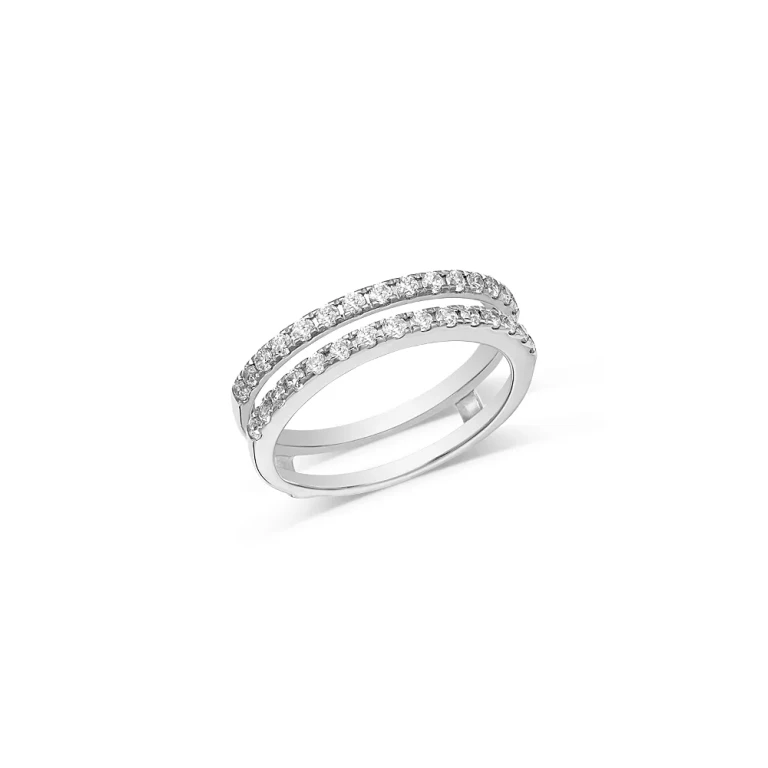
Bloomingdale's Fine Collection
Luxe Collection Certified Lab Grown Diamond Ring Enhancer in 14K White Gold, 0.5 tcw
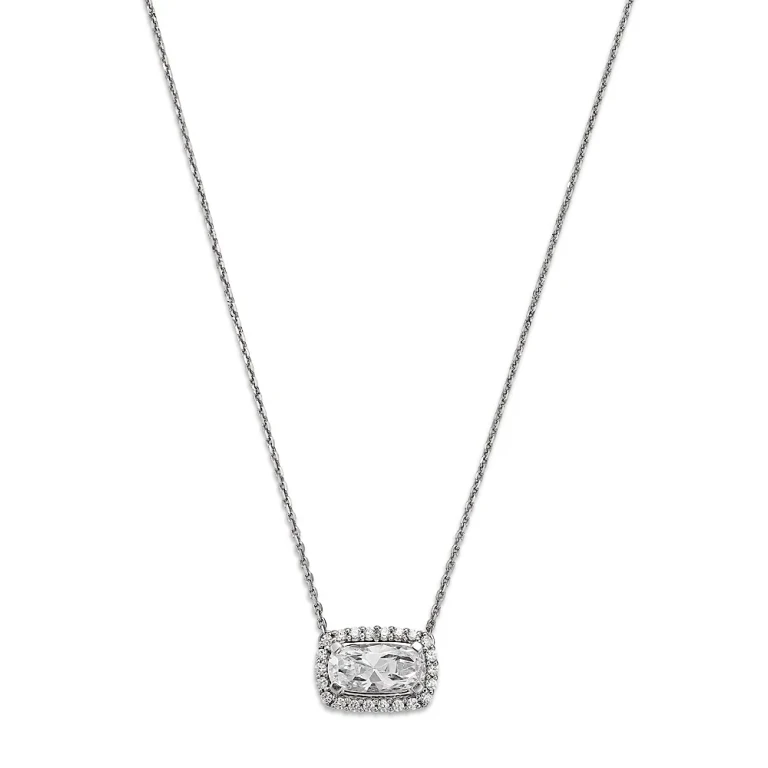
Bloomingdale's Fine Collection
Luxe Collection Certified Lab Grown Diamond Cushion & Round Halo Pendant Necklace in 14K White Gold, 1.15 tcw
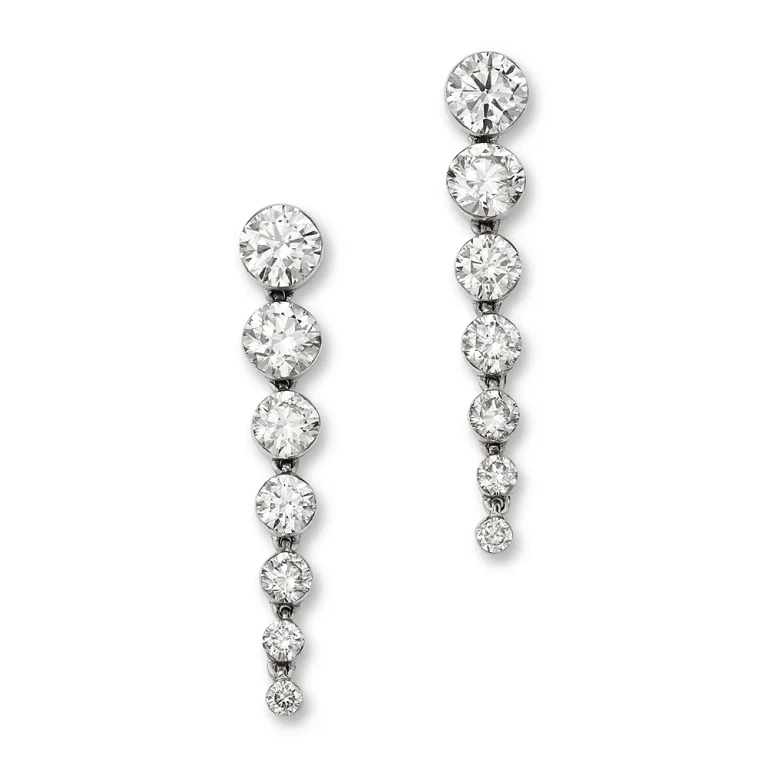
Bloomingdale's Fine Collection
Luxe Collection Certified Lab Grown Diamond Graduated Linear Drop Earrings in 14K White Gold, 1.0 tcw
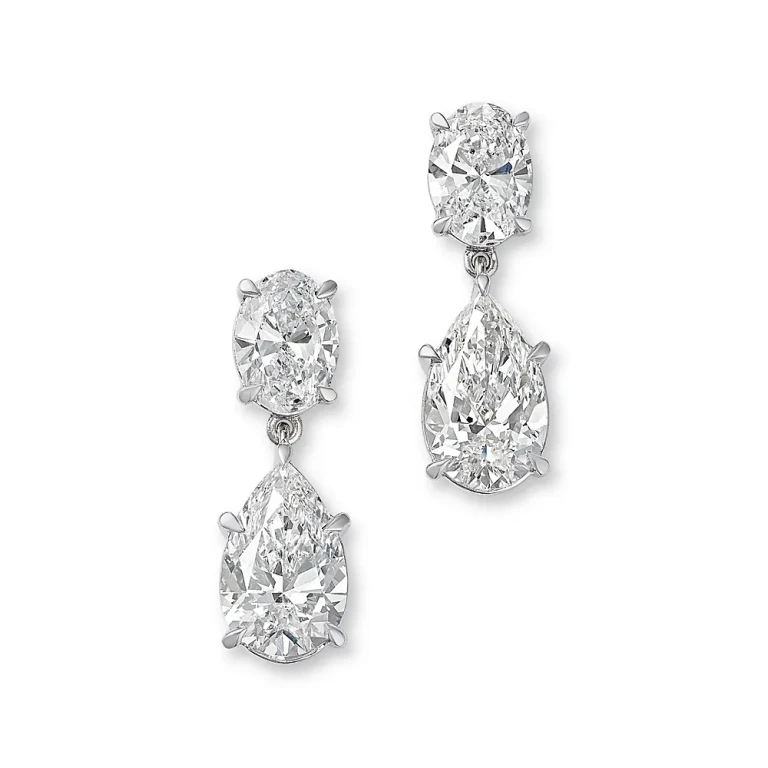
Bloomingdale's Fine Collection
Luxe Collection Certified Lab Grown Diamond Oval & Pear Drop Earrings in 14K White Gold, 4.0 tcw
Decide what you want to pay for
Both types are diamonds, with essentially the same material properties. Appearance alone is not a reliable origin check. GIA explains the distinction.
Lab-grown diamonds generally cost less than comparable natural stones; they are not simulants such as cubic zirconia or moissanite. IGI’s explanation separates those categories.
- Start with lab-grown if you want a diamond without paying extra for natural formation. Decide whether the saving should stay in your budget or buy a different stone.
- Start with natural if formation in the earth is part of what you want to own. Set a maximum premium you are comfortable paying for that preference.
- Buying for someone else? Agree on origin before choosing a larger stone as a surprise. More carats do not resolve a difference in preference.
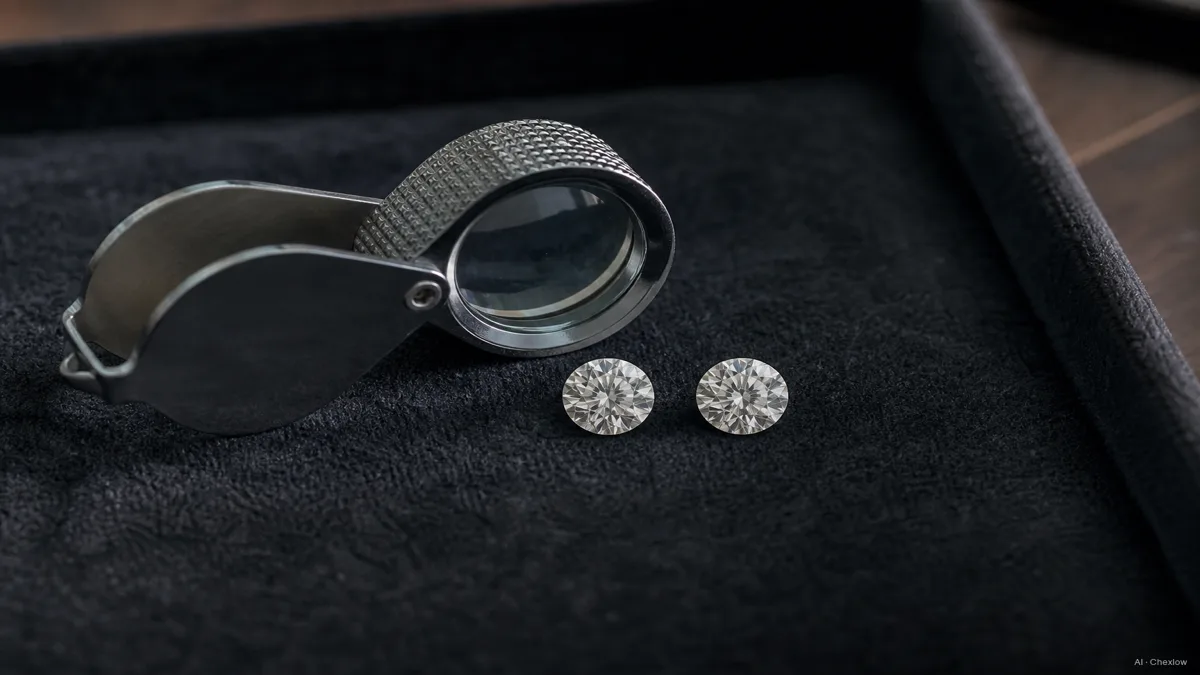
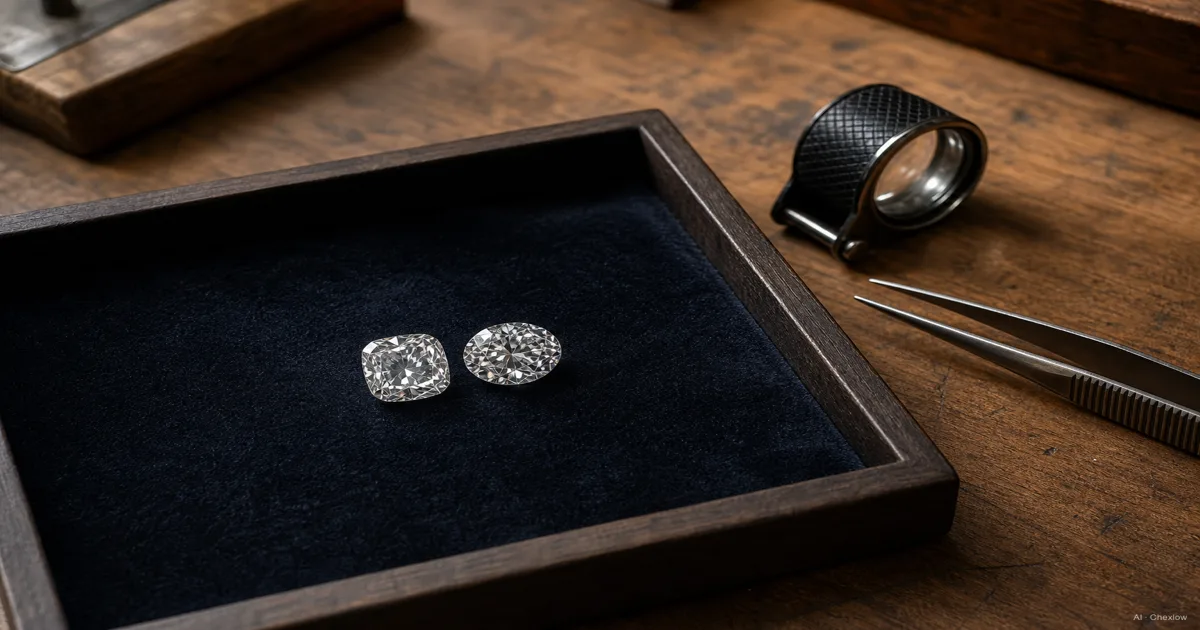
Use this illustration to frame the comparison, not to identify a stone.
Ask for two genuinely comparable quotes
Request a lab-grown and a natural option in the same shape, with a similar appearance and the same ring setting. Have the seller separate the stone price, setting, taxes and any sizing charges. This makes the extra cost of your preferred origin easier to judge.
Carat measures weight, not visible size; total carat weight includes the other diamonds in a ring. Check the centre stone’s measurements and weight separately. GIA’s carat guide explains why the headline number can mislead.
Compare the candidates under the same lighting and ask to see them away from the display spotlights. Record what you prefer before looking again at the price. These are practical comparison steps, not a substitute for a laboratory report.
Still deciding what the ring itself should be made from? Read the everyday jewelry metal guide before requesting the final setting quote.
Read the report attached to this stone
Ask for the issuing laboratory, report number, date and full document. Check that it identifies the stone as natural or laboratory-grown. For GIA documents, compare the number and details through Report Check, as described in its buying guidance. Ask the jeweler to demonstrate that the stone matches the document, including any recorded inscription.
GIA’s laboratory-grown quality assessment uses Premium and Standard for eligible colorless to near-colorless loose stones. Its October 2025 change should not be read as a rule for every laboratory or older document. IGI reports describe cut, color, clarity and carat weight.
If the listing gives a precise grade that the attached document does not show, ask which assessment supports it. Do not translate an overall category into a particular color or clarity grade yourself. Clarity describes internal inclusions and surface blemishes; it does not mean origin.
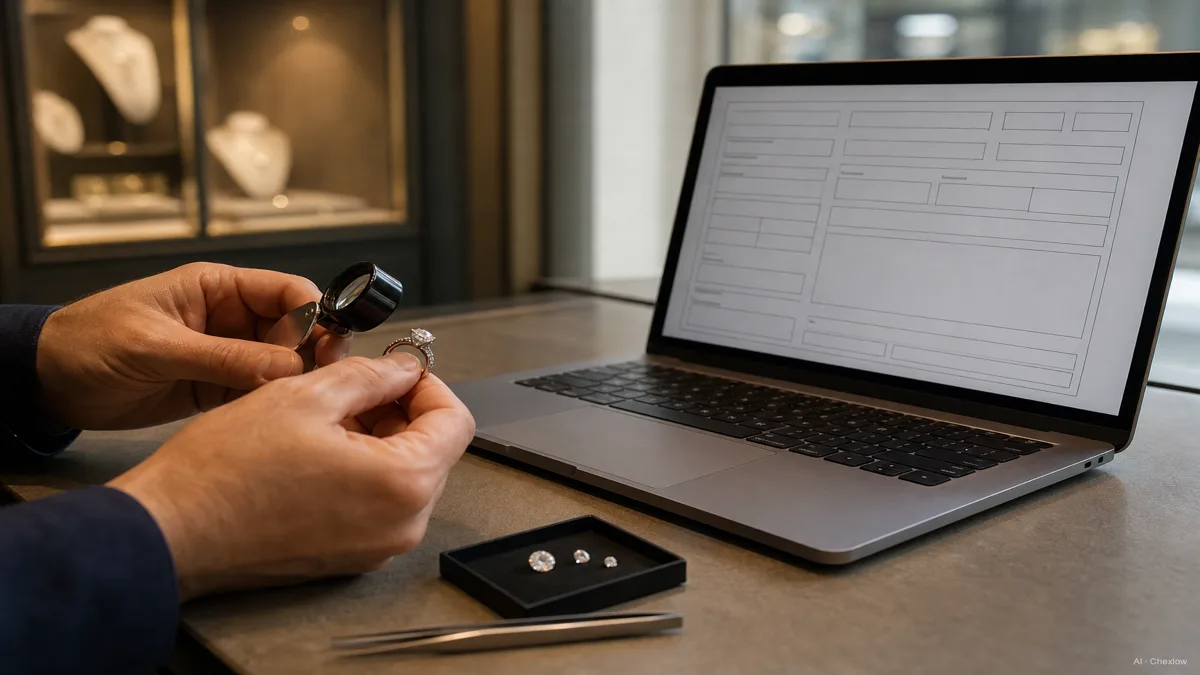
The paperwork in this illustration is a reminder to distinguish quality assessment from monetary valuation. GIA does not appraise diamonds.
Make resale a written question
If a future sale matters to your budget, ask who would buy this specific stone and on what terms. Do this for both origins. Do not use a general retention percentage as money you can count on recovering.
- Cash buyback: Ask for eligibility, deductions and how the purchase offer would be calculated.
- Trade-in credit: Ask whether another purchase is required, whether there is a minimum spend and which stones qualify.
- No written commitment: Make your purchase decision without assuming a future payout.
For any proposed sale, compare purchase cost minus net sale proceeds, including fees. A retention percentage alone does not tell you how much money you lose. If a seller presents an appraisal as a guaranteed resale price, ask for the separate purchase commitment.
Ask what an environmental claim actually covers
Neither origin label settles an environmental claim. The US FTC has cautioned diamond marketers against unqualified claims such as “eco-friendly.”
Ask what was measured, which producer or facility the evidence covers, and whether it applies to this stone. If responsible sourcing is essential to your choice, make that evidence a condition of purchase rather than treating “lab-grown” or “natural” as the answer.
Choose a candidate, or pause the purchase
Keep the lab-grown candidate if its appearance meets your needs and avoiding the natural-origin premium remains your priority. Keep the natural candidate if that origin still matters after you have seen the complete price. There is no need to spend the whole budget simply because a larger stone is available.
Before paying, get the agreed stone description, report number, complete price and return terms in writing. Ask specifically whether setting, resizing or engraving changes those terms. Pause if the document and listing disagree, the wearer’s preference is unresolved, or the purchase only seems affordable because of an unwritten resale promise.
Cómo se elaboró esta guía
AI wrote this guide for Housnap using GIA and IGI explanations of diamond identification, reports and carat weight, plus FTC guidance on environmental advertising. The quote comparison and purchase checkpoints are editorial guidance for first-time buyers, not product testing, a valuation or a new human review.