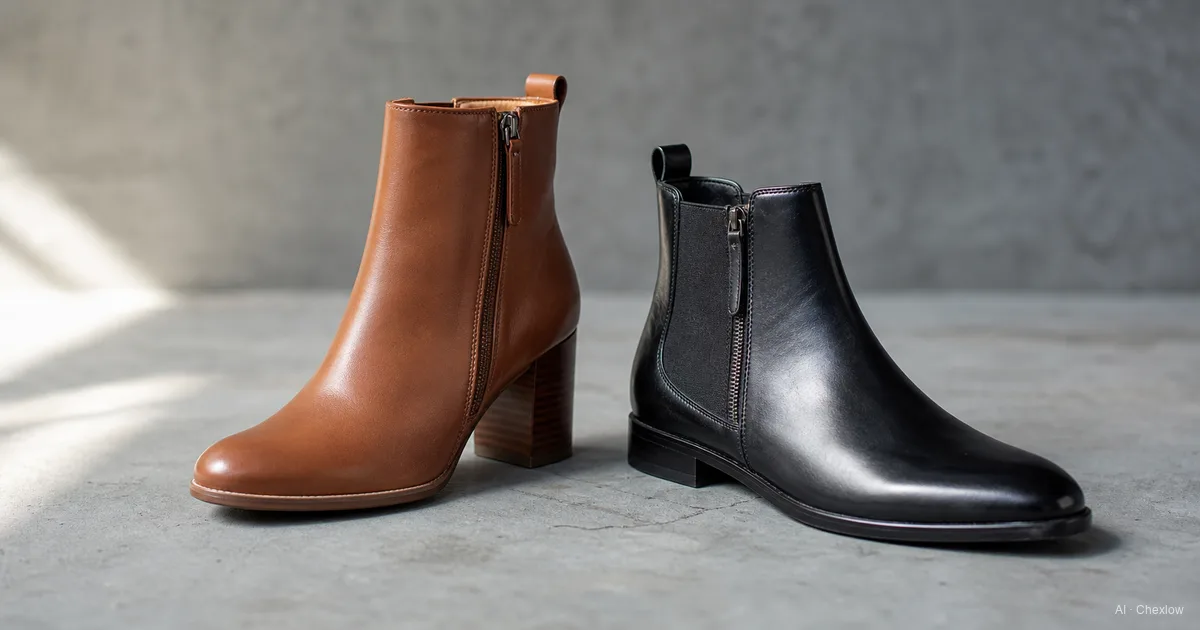
Productos actuales para comparar
Estos productos vienen de los resultados de Housnap para este tema.
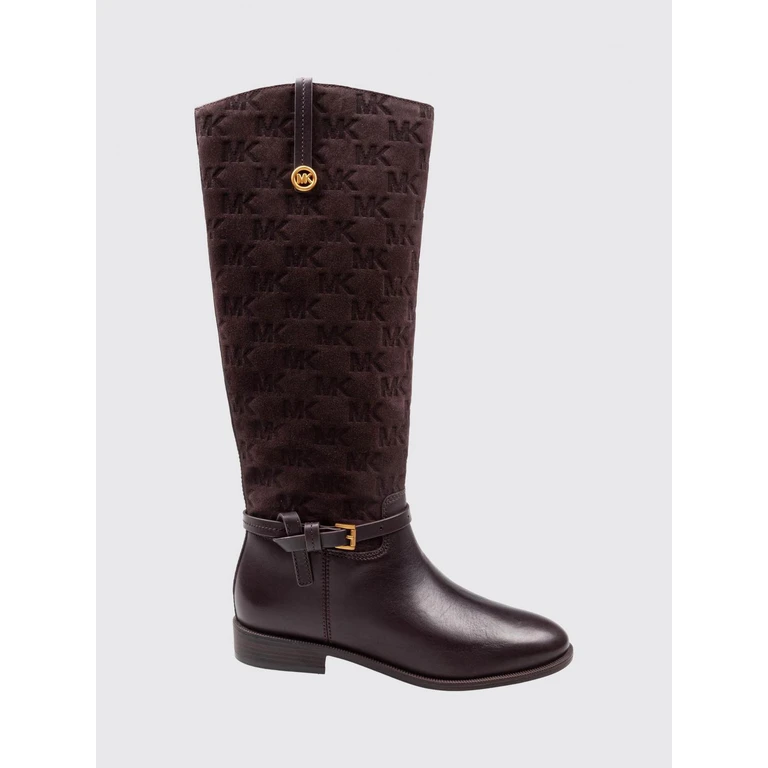
Michael Kors
Botas Michael Kors Beverly
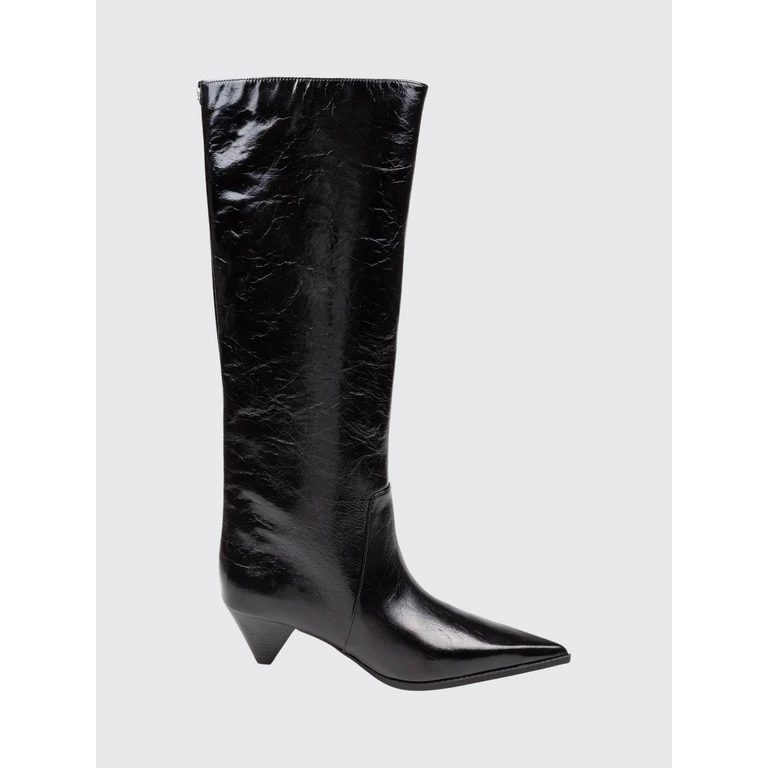
Michael Kors
Botas Michael Kors Jayla
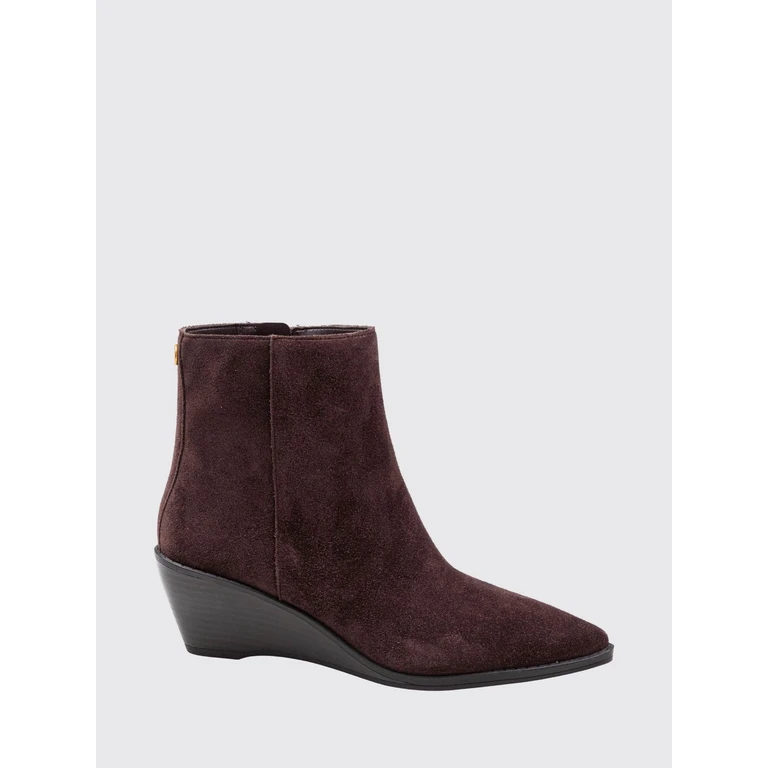
Michael Kors
Botines planos Michael Kors Austin en marrón
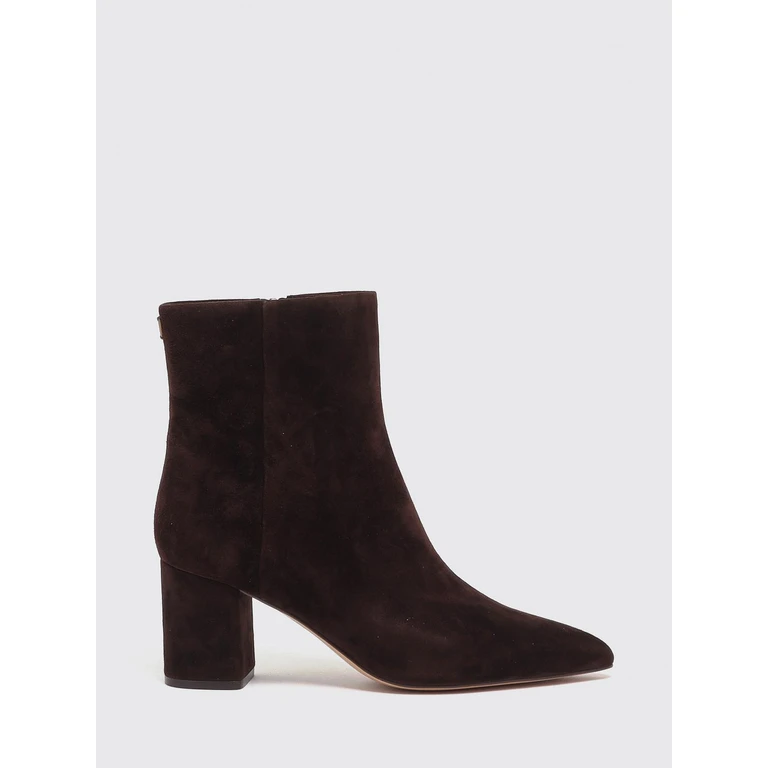
Twinset
Botines planos Twinset de ante en color Coffee
Choose the heel for your ordinary day
Picture the outing these boots will handle most often: walking to work, standing at an event or going out to dinner. Use that outing to narrow the choice before choosing a colour.
- Flat or very low heel. Start here when added height is not part of the brief. Compare how the boots feel underfoot rather than assuming that the flattest pair must be the most comfortable.
- Low block heel. Consider this when you want some height. A block heel has a broad base, but check its actual height too; the shape alone is not a promise of easy walking.
- Higher or narrow heel. Treat this as a deliberate occasion choice. If you also need one pair for long walks and standing, try a lower option alongside it before committing.
Kent Community Health’s everyday-footwear guidance favours a broad heel no higher than 4 cm. That is a useful starting reference, not a guarantee that every boot below it will suit you.
Now shortlist ankle boots in your preferred heel shape. Keep one lower alternative in the comparison, and try both with trousers or a skirt you actually intend to wear. Decide whether the extra height earns its place in that outfit.
Check your foot and the boot opening separately
Try both boots with your intended socks, then walk around. Clarks’ fitting guide recommends both-foot fitting and using the socks you normally wear.
Check length, width and depth at the front. Guy’s and St Thomas’ guidance suggests about 1 cm beyond the longest toe and enough depth to avoid pressure on top of the toes. Empty space in a pointed tip does not replace room where your toes actually sit.
Next check the shaft, the part that surrounds your ankle and lower leg. Bend your ankle and sit down: does the top edge press, catch or rub? Judge the opening by movement and comfort, not by whether it looks perfectly close-fitting in a mirror.
For an online purchase, ask for shaft height and opening circumference in your size, including where those measurements were taken. Compare your leg at the corresponding height, rather than automatically measuring the widest part of your calf. If the foot fits but the opening presses, compare another shaft cut before simply buying a longer boot.
A zip and adjustable laces solve different problems. On Clarks’ Orinoco 3 Style, for example, the zip assists entry while the laces adjust fit. Check whether a candidate actually has an adjustment mechanism; a zip alone does not let you choose its closed width.
If you would rather explore a pull-on style and are also deciding how formal the footwear needs to be, compare Chelsea boots with Oxfords.
Choose a finish whose care you will actually follow
Do not rank every leather boot above every synthetic one. Clarks explains that construction and materials can change fit even at the same labelled size. Try the actual material version you plan to buy.
- Smooth leather. Choose it if you prefer the finish, then check the maker’s cleaning and conditioning instructions before buying care products.
- Suede. Choose it for the textured surface if you are willing to follow a separate cleaning routine. Timberland’s instructions, for example, distinguish brushing suede from cleaning its smooth-leather boots. Its waterproof features can also require specific care. Timberland care guidance.
- Synthetic upper. Keep it in the comparison if the particular pair suits your budget and feet. Read the lining description as well as the upper description; do not turn a material name into a predicted lifespan.
For suede, settle the weather question before checkout. Clarks distinguishes its waterproof suede styles from suede boots intended to stay out of wet weather. If you are leaning towards suede, read the suede and nubuck care guide to decide whether the upkeep fits your routine.
Check wet-weather claims and the outsole separately
Water protection and grip need separate answers. Ask whether the exact boot is described as waterproof and what conditions the maker intends it for. Then check the outsole, the surface that meets the ground.
The HSE’s footwear guidance identifies both tread pattern and sole compound as important to slip resistance; performance also depends on the surface. A chunky rubber sole is therefore not enough evidence to call a boot safe on every wet pavement.
Ask the seller what supports a grip claim and which surfaces it covers. If wet-weather use is essential and the information is missing, keep looking rather than filling in the blanks from photographs.
When frequent rain is the main buying problem, compare rain boots and duck boots before trying to make an ordinary fashion ankle boot cover that job. Check the particular model’s weather claims there too.
Decide whether to keep them before trying to soften them
Read the return conditions before wearing the boots outside or applying a treatment. For the initial fit check, Guy’s and St Thomas’ recommends indoor wear on carpet.
Use three outcomes:
- Keep comparing this pair. Your toes have room, the boot stays comfortably on your foot, the opening does not press during movement, and the heel works with your intended outfit.
- Try another size, width or shape. Identify where the mismatch is. More length is not the answer to every tight forefoot or uncomfortable opening.
- Stop the trial. Pain, pinching or repeated rubbing is a reason to take the boots off and reconsider the fit. Do not set yourself a two-week endurance test.
Bradford District Care’s advice says a correctly fitting shoe should feel comfortable from the start. Softening a material and correcting a poor fit are different aims.
If both heel options pass these checks, choose the one that suits the outing you identified at the start. You do not need a care kit or an insole purchase to complete that decision.
Cómo se elaboró esta guía
Written by Housnap’s AI editor using NHS footwear guidance, HSE slip-resistance guidance and manufacturer fitting and care information. The comparisons and shopping steps are editorial choices for first-time ankle-boot buyers, not results from product wear tests.