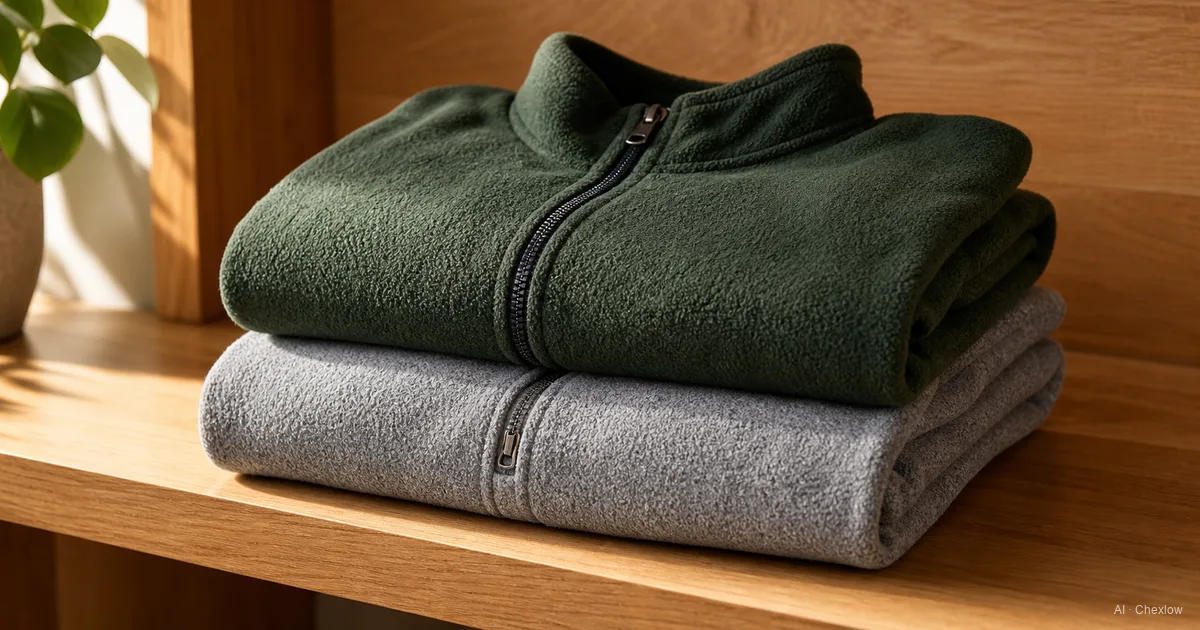
Prodotti attuali da confrontare
Questi prodotti arrivano dai risultati Housnap per questo tema.
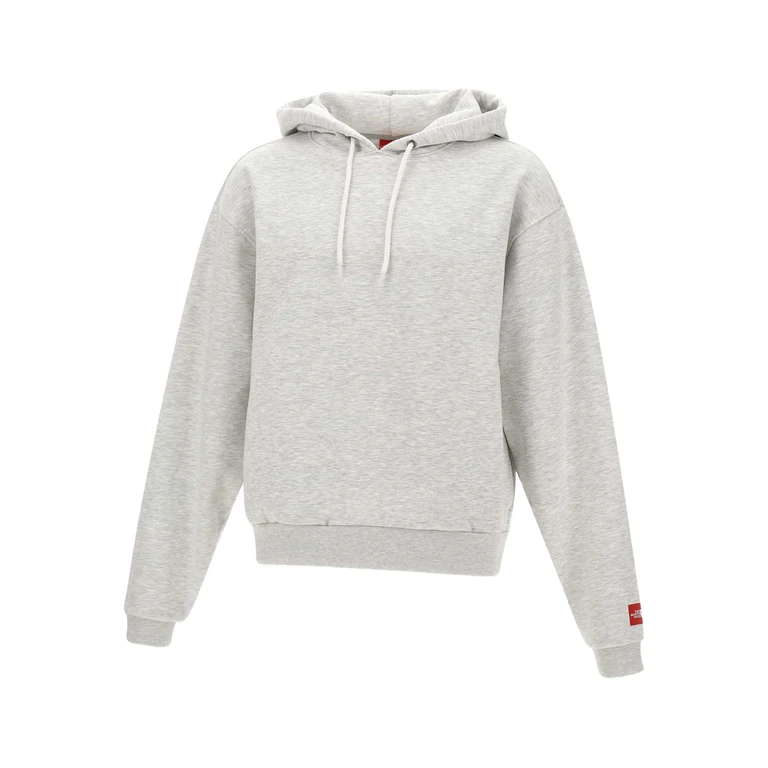
The North Face
Giacca in pile con stampa floreale e collo alto The North Face Extreme Pile
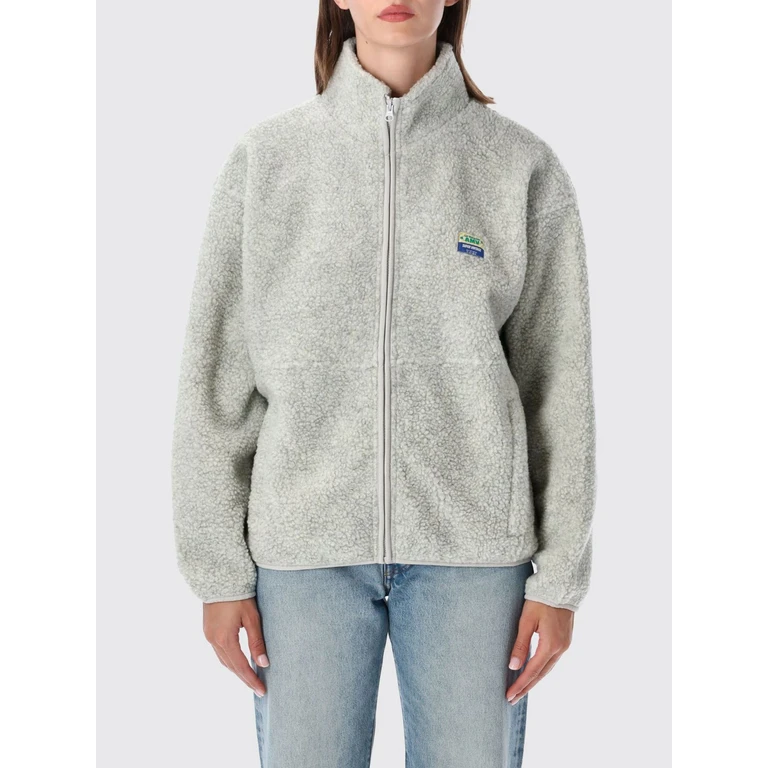
American Vintage
Cropped Fleece Jacket with High Neck and Zip Closure (HOK16CPOLARCHIN)
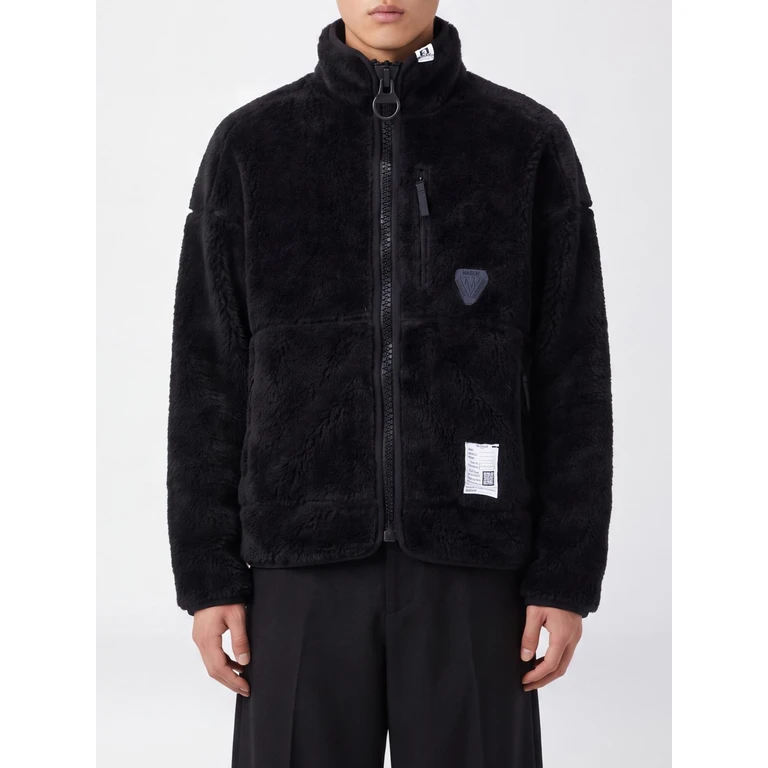
Maison Mihara Yasuhiro
Fleece Jacket with High Neck and Embroidered Logo (J17BL751BLACK)
Choose the opening you'll actually use
Think about your ordinary day: a walk, a warm train, then a heated room. For that pattern, start with a full-zip. A front that opens to the hem lets you wear it open or remove it without pulling it over your head. Montane's Protium jacket is one example of that construction, not a required model.
- Half-zip or quarter-zip. Choose this if you prefer a pullover but want an adjustable neckline. Check the actual opening in the photos: even the Roco pull-on description uses both names for its partial zip.
- Closed-front pullover. Consider it if you rarely adjust your layers and prefer a front without fastenings. Try taking it off before buying; being comfortable while wearing it is only half the decision.
A half-zip is also a pullover. Don't assume the word means a completely closed neck, or rank warmth from the fastening alone. For either style, plan to remove the outer jacket before changing the fleece underneath.
Pick warmth for movement, not the biggest number
In Polartec's Fleece Series, 100 is lightweight, 200 midweight and 300 heavyweight. Use those as weight categories, not a temperature rating or a promise that every brand's “200” feels identical.
For a first shortlist, try a light fleece if you walk briskly or overheat easily. Compare a midweight if your days mix walking and sitting; consider a heavier option when warmth at a slower pace matters more than packing it away. These are starting points for selection, not fixed weather limits.
Look beyond thickness if you expect to sweat. Polartec Power Grid uses channels for airflow and a knit that moves moisture outward. That is a specific fabric design, not a capability to assume from any square pattern. Ask for the fabric name and intended activity when a product description only says “technical.”
Decide whether a shell is part of the purchase
A shell is the outer jacket that handles weather. Ordinary fleece lets wind through, though wind-blocking versions exist. REI explains that distinction.
- Dry, sheltered use. Try the fleece on its own, while allowing for how warm you feel when you stop moving.
- Wind is the problem. First check whether a jacket you already own can cover the fleece comfortably.
- Sustained rain is likely. Allow room and budget for a waterproof shell if you lack one. Check full seam sealing, not just a water-repellent finish; REI distinguishes those features.
If the last case describes your commute or walks, continue with how to choose a rain jacket. A thicker fleece won't settle that separate buying decision.
Try the whole outfit before choosing a size
Don't automatically go up a size. Montane's fit guide, for example, already allows matching Mountain Fit layers to use the same size. Start with the chosen brand's measurements, then check your actual combination.
- Wear your usual underlayer. Close the fleece and reach forward, raise your arms and sit down. Check whether the shoulders pull, the collar presses or the hem rides up more than you want.
- Add your outer jacket. Close it and repeat those movements. If the sleeves bunch or your chest feels restricted, compare another cut or a less bulky fleece before simply choosing a larger size.
- Use the details. Open the zip, reach into the pockets and check the seams against your skin. These checks reveal usability; they don't predict years of wear.
- Read the care label. Decide whether its washing and drying instructions fit your routine. For the next step after buying, use the fleece washing and pilling guide, with the garment's instructions taking priority.
Keep the candidate that passes these checks in the opening and weight you actually need. If it only feels right without the jacket you intend to wear over it, keep looking.
Come è stata costruita questa guida
Written by Housnap's AI editor using Polartec fabric documentation, Montane construction and fit information, and REI layering and rainwear guidance. The selection priorities and try-on checklist are editorial guidance for a first fleece purchase, not hands-on product testing.