Diaper Pail First Buy, How to Choose One That Actually Controls Odor
Standing in front of a wall of diaper pails with a registry list in one hand, it's easy to assume they're all just fancier trash cans that come in different price tiers. Then you notice a twenty-dollar model next to a sixty-dollar one, both promising the same odor-lock claim in bold letters, and it stops being obvious what the extra money actually buys. Once you've opened a box of proprietary refill bags, switching systems feels expensive enough that most people just live with whatever they picked first. This guide walks through what actually controls odor, what refill bags cost over the life of a pail, and what to check before the newborn stage puts a pail through its heaviest use.
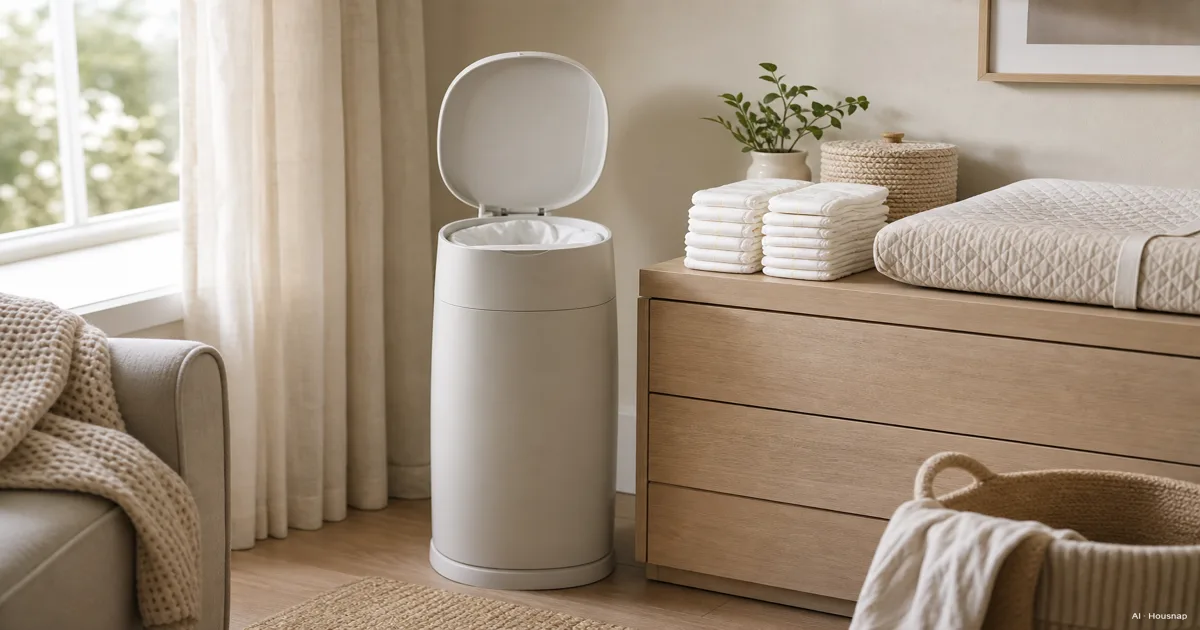
Prodotti attuali da confrontare
Questi prodotti arrivano dai risultati Housnap per questo tema.
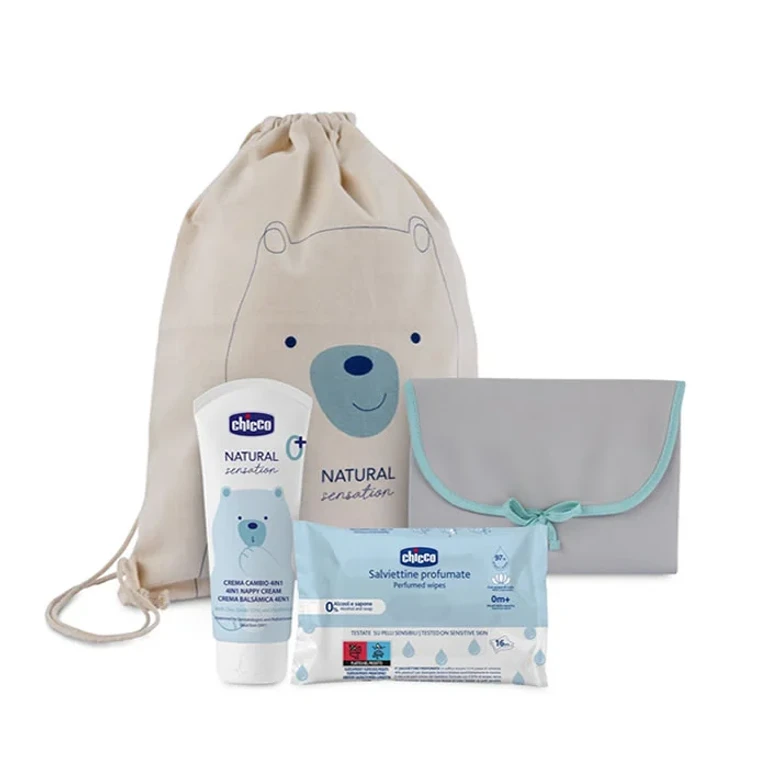
Chicco
Set cambio pannolino Chicco Natural Sensation 4 pezzi
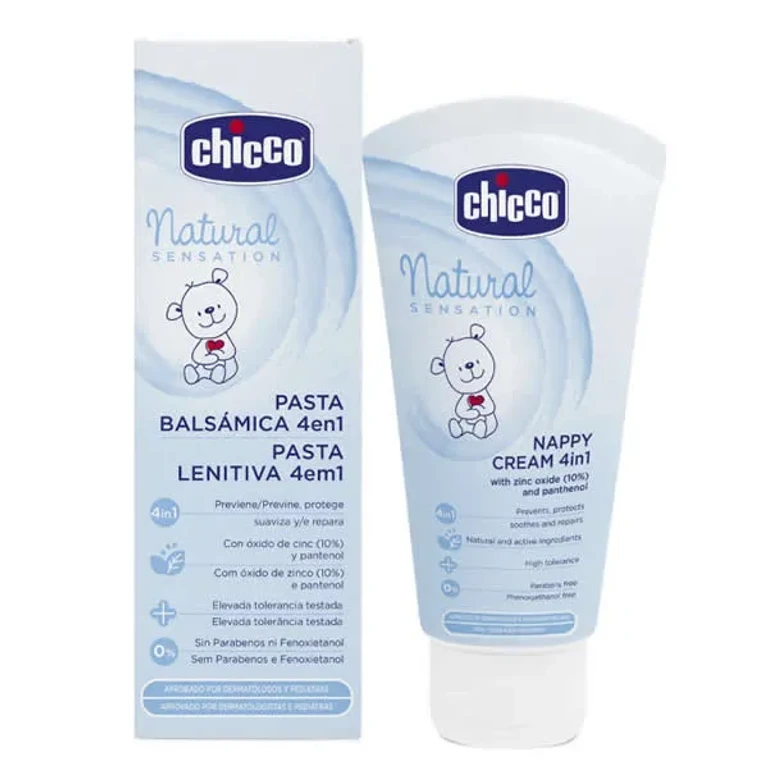
Chicco
Natural Sensation 4 in 1 Crema Cambio 100 ml
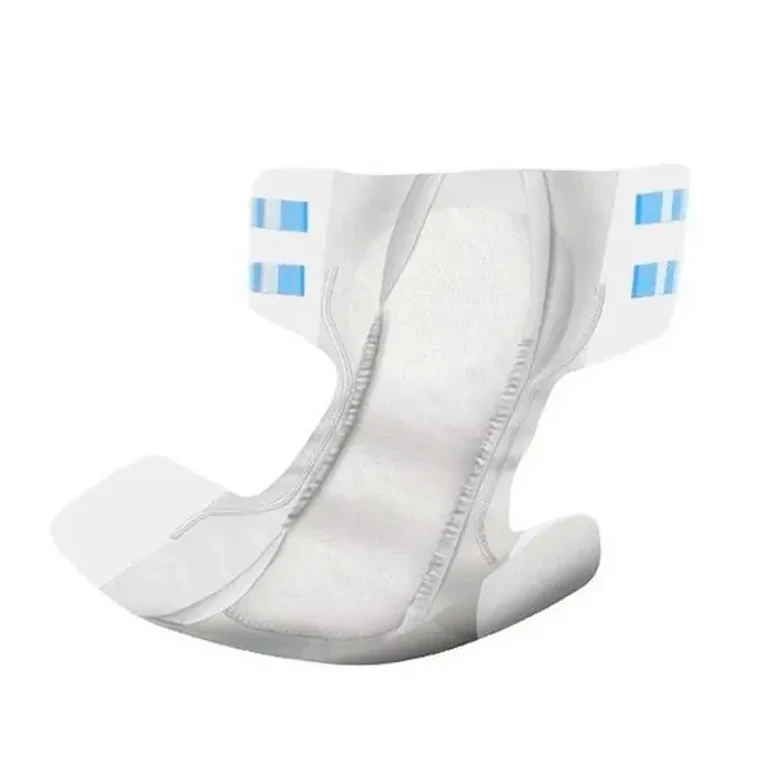
Presteril
Pannolini Notte Elastici Unità
Mustela
Crema cambio pannolino biologica 75 ml
What Actually Makes a Diaper Pail Work, Seal Types and Odor Science
Standing in the aisle staring at diaper pails, they all look like slightly fancier trash cans. Some cost twenty dollars, some cost sixty, and the box copy on all of them promises "odor lock" in bold letters. It's not immediately obvious what you are actually paying for, and choosing wrong feels expensive in a way that is hard to take back once you have already opened a box of proprietary refill bags.
Consumer Reports' actual answer is simpler than the marketing. Experts told the outlet that a pail's steady-state containment barely matters, nearly every pail keeps smell in while it sits closed. The failure mode that actually stinks up a nursery is what happens the moment you open the lid to drop in a diaper, or when you pull the full bag out to replace it. That's why the single feature worth caring about is a secondary closure, a second seal between the diaper you just dropped in and the rest of the pail's contents (Consumer Reports).
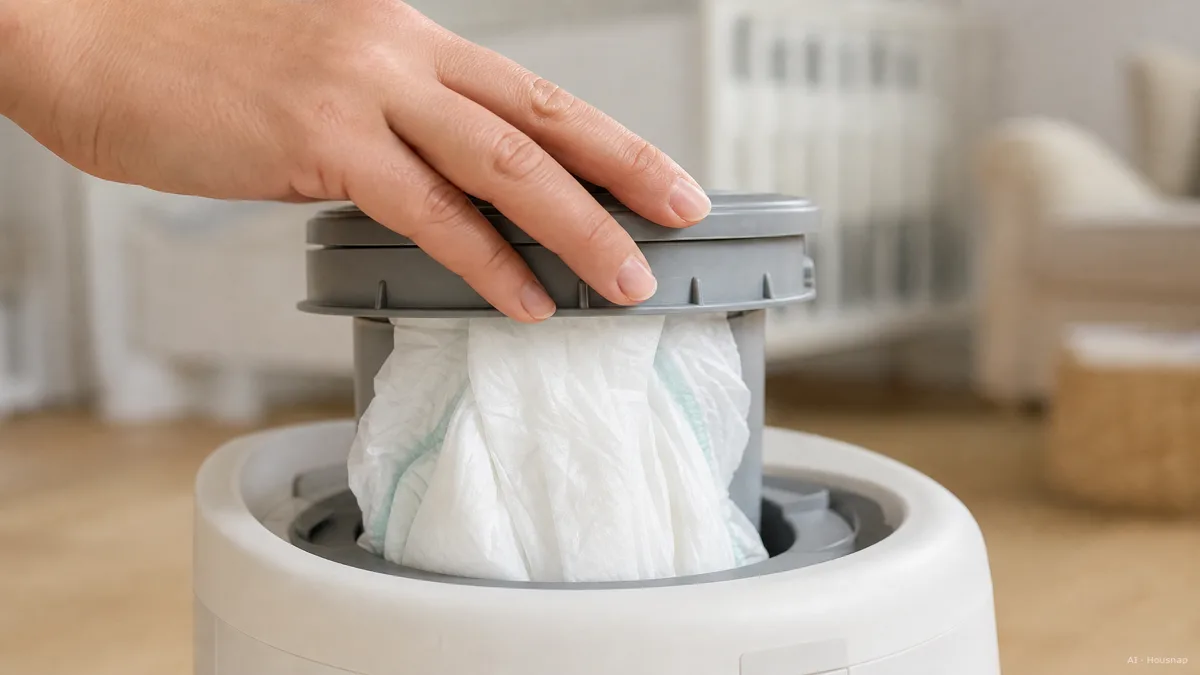
In practice, that secondary closure shows up as one of two mechanisms. Twist-and-seal pails, like the Munchkin STEP, spin a ring that twists the bag shut around each diaper as it drops, sealing it off from the diapers already inside. Clamp-and-tie pails, like Diaper Genie, use a spring-loaded clamp that holds a continuous tube of bag material closed like a chain of sausage links, so each diaper gets its own sealed segment. Both approaches are trying to solve the same problem, stop one open diaper from venting smell into the whole bin.
Proprietary Refill Bags vs Standard Trash Bags, the Real Cost Difference
Here's the axis that actually splits the diaper pail market in two, and it matters more than any odor-control spec. Diaper Genie and Munchkin STEP both run that twist-or-clamp seal on a continuous roll of bag material, and that roll only comes from the brand that made the pail. The Ubbi Steel Diaper Pail skips the mechanism entirely and takes any regular kitchen trash bag you already buy in bulk.
That single design choice compounds fast. A generic kitchen trash bag runs somewhere around ten cents each, and you buy them in boxes that go on sale constantly. A brand-specific diaper pail refill, whether it is a Diaper Genie cartridge or a Munchkin STEP refill roll, carries a real premium and almost never gets discounted the way a commodity trash bag does. Diaper Dekor's own refill, as one concrete anchor, lasts around three months per roll and runs about seven dollars, a useful number to hold onto when you're comparing brands. Run that gap across two-plus years of diapering and the difference adds up to real money, often estimated well past two hundred dollars over the life of a single pail.
None of this means the twist-and-clamp pails are a bad buy. They win on odor control in most independent testing. It just means you are trading a lower ongoing cost for a specific mechanism, and it's worth deciding which side of that trade you actually want before you buy the pail, not after you've committed to a brand of refills.
Top Models Compared, Ubbi vs Munchkin STEP vs Diaper Genie
Three names come up in almost every diaper pail comparison, and each one is optimized for a slightly different thing.
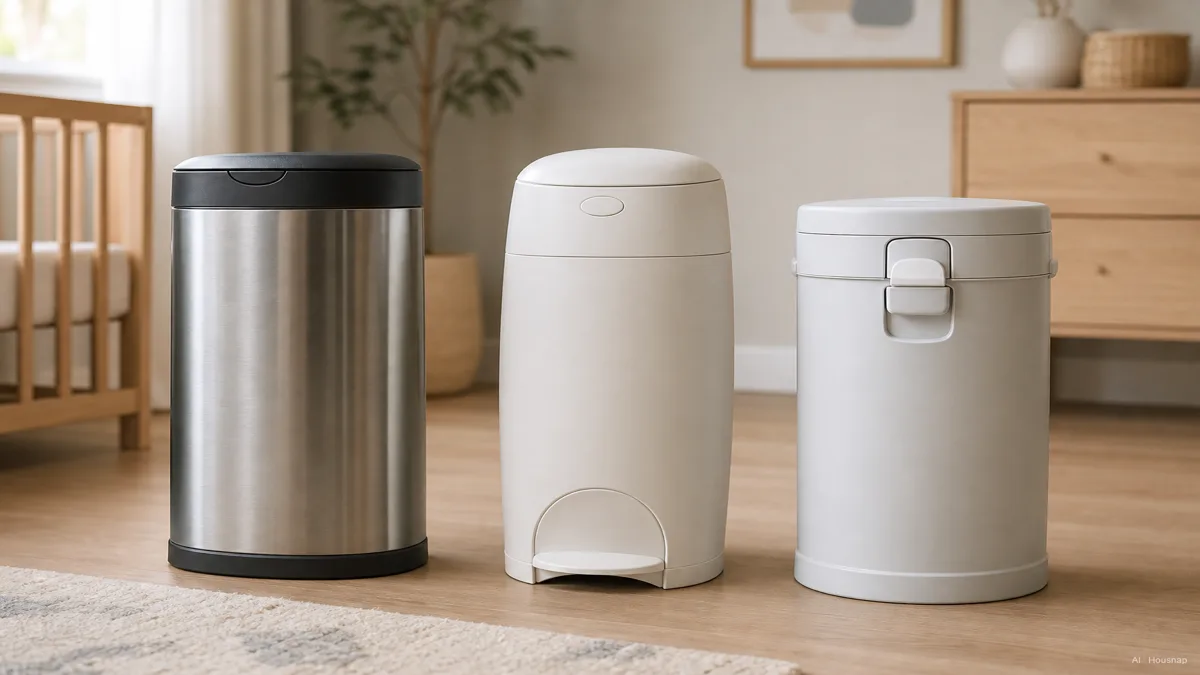
Munchkin STEP. Tested outlets including BabyGearLab consistently rate it strongest on pure odor control. Its twist-and-seal mechanism pairs with a built-in Arm & Hammer baking soda puck that keeps absorbing smell between changes, and the pedal-operated step lid means you never touch it with a full hand. The tradeoff is the refill system, you're locked into Munchkin's own bags.
Diaper Genie. It rates a close second on odor control in most tests, using that clamp-and-tie sausage-link system instead of a twist. The bag-change process is the fussiest of the three, you cut the used length free and have to tie a fresh knot before starting the next batch. Like the STEP, it's proprietary refills only, and it also has a foot pedal for hands-free drops.
Ubbi Steel Diaper Pail. Wirecutter tested 15 pails, narrowed the field to nine finalists, and had three families log roughly 250 diaper changes between them before naming Ubbi its pick. Its steel body doesn't absorb odor into the material the way some plastic pails do over months of use, and changing the bag is just lifting the lid and pulling the bag out like a normal kitchen trash can, no knot-tying involved. It has no foot pedal, so the lid slides open manually, and its opening runs narrower than the twist-and-clamp models, which means bulkier newborn diapers sometimes need a hand-push to get all the way in.
Capacity, Ease of Use, and Hands-Free Operation for Newborn-Stage Changes
The newborn stretch is when a diaper pail gets tested hardest. Most newborns go through eight to twelve or more diaper changes a day, which means whatever pail you buy is going to fill up, get opened, and get emptied far more often in month one than at any later point.
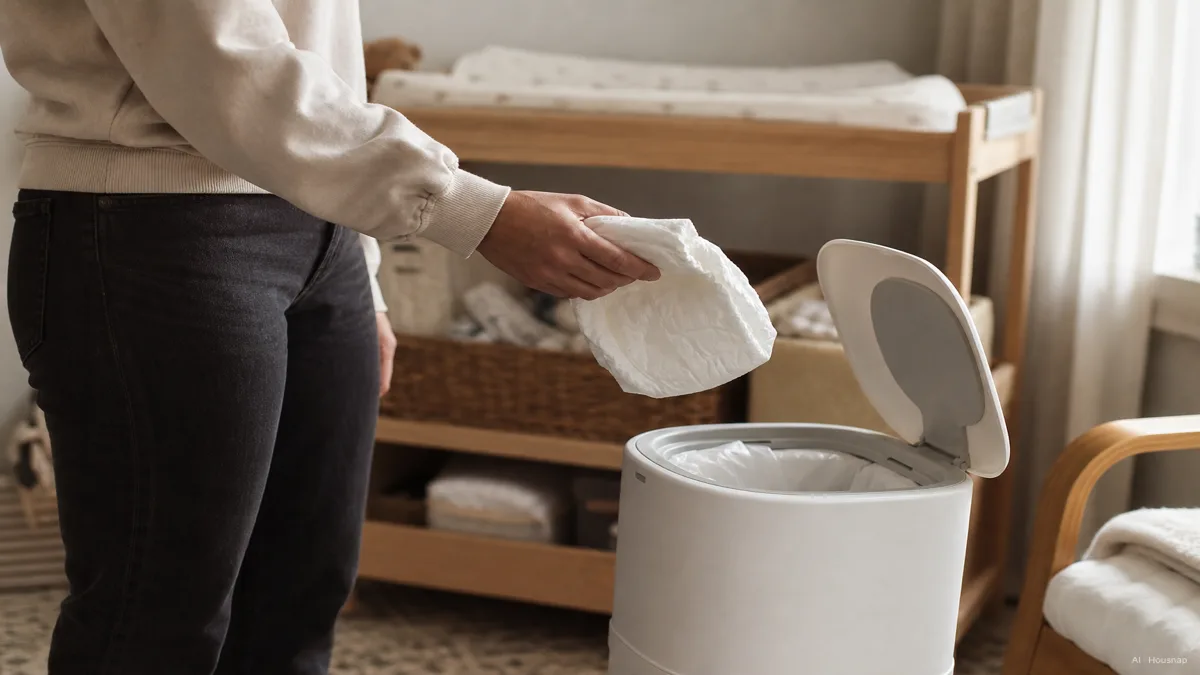
That frequency is exactly why the two ergonomic features worth checking before buying are capacity and hands-free operation. Look for a pail rated for 25-plus diapers before it needs emptying, since anything smaller turns into a daily chore during the newborn months. And a foot pedal matters more than it sounds like it should, because you are very often holding a squirming baby with one arm while trying to drop a diaper with the other. Munchkin STEP and Diaper Genie both give you that hands-free pedal. Ubbi's manual slide-top lid asks for a free hand, a real tradeoff during a stage when free hands are the scarcest resource in the house.
Bag changes matter just as much once the pail is full. Ubbi wins here too, lift the top, pull the bag out, tie it the same way you'd tie any kitchen trash bag. Diaper Genie and Munchkin STEP both still require cutting the continuous roll and tying a fresh knot before the next diaper goes in, an extra step you'll do dozens of times over the pail's life.
How to Choose the Right Diaper Pail for Your First Nursery Setup
If you've read this far with a registry open in another tab, here's the short version. Before you add anything to cart, check four things, capacity (25-plus diapers), seal type (a secondary closure, not just a lid that clicks shut), refill system (proprietary cartridge versus any trash bag you already buy), and body material (steel resists long-term odor absorption better than plastic).
If odor control is the priority and you don't mind paying an ongoing premium for refills, Munchkin STEP's baking-soda-backed twist seal and Diaper Genie's clamp system both test well, and the foot pedal is worth having during the newborn year. If keeping the ongoing cost down matters more, and you don't mind an occasional hand-push for a bulky diaper, the Ubbi's steel body and standard-trash-bag compatibility make the math easier over two-plus years of diapering. Either way, the difference isn't really about which pail is "better," it's about which tradeoff, cost or convenience, you'd rather live with for the next two years. From here, it's worth checking current prices across a few stores side by side, since pail prices and refill bundle pricing both vary more by retailer than the spec sheets do.
Sources
- Experts Explain How Diaper Pails Actually Work to Keep Odors at Bay — Consumer Reports; secondary closure mechanism and the opening/emptying failure mode
- The Best Diaper Pails, Tested and Ranked — BabyGearLab; odor-control ranking of Munchkin STEP, Diaper Genie, and other tested models
- The Best Diaper Pail, Ubbi Steel Diaper Pail Has Been Chosen as a Wirecutter Pick — Ubbi World; Wirecutter's 15-pail test and 250-diaper-change field trial
- 5 Best Diaper Pails and Diaper Genies of 2026 — Reviewed; current model comparison and buying considerations
- Ubbi Vs Munchkin Diaper Pail, Which One Is Better — Compare Maniac; refill bag system and cost comparison
Come è stata costruita questa guida
This piece started from the moment new parents realize a diaper pail isn't just a bin, it's two competing systems, a proprietary refill mechanism built for pure odor control and a standard-trash-bag design built to keep costs down over years of diapering. The core comparison, Munchkin STEP and Diaper Genie's twist-and-clamp odor seals against the Ubbi Steel Diaper Pail's plastic-free body and trash-bag compatibility, is anchored on Wirecutter's 15-pail test (via Ubbi's own citation of that result) and BabyGearLab's independent odor-control rankings. The secondary-closure explanation, why a pail's failure mode is really about the moment it opens rather than how it sits closed, came from Consumer Reports, and the refill-cost framing draws on Diaper Dekor's published refill economics as a concrete anchor. Pail selection maps to Housnap's baby-kids category, where diaper pails and refill systems from brands like Ubbi, Munchkin, and Diaper Genie appear across stores.