Decide which work you want to hand over
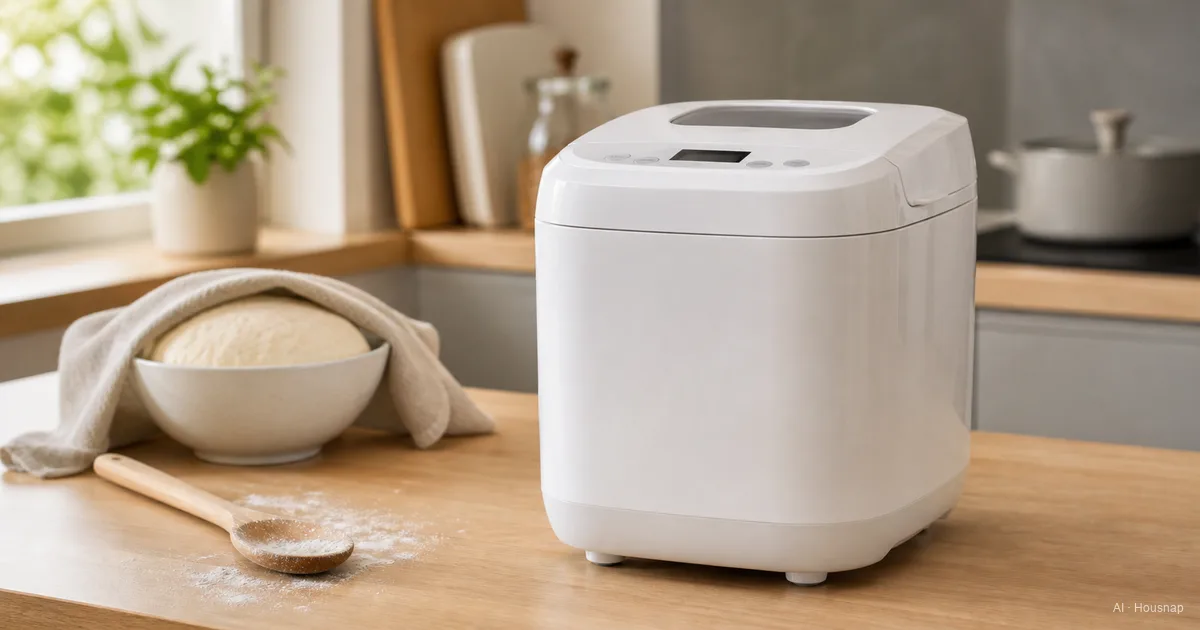
A bread maker can mix, knead, let dough rise and bake it in the same machine. That saves you from managing the transitions between those stages; it does not remove weighing ingredients or dealing with the finished loaf. King Arthur Baking explains the process.
- Choose a bread maker if your goal is a regular pan loaf with fewer tasks to remember. Compare machines only after deciding that this is the bread you want most often.
- Start with hand kneading and an oven if you want to try baking before giving an appliance permanent space. Hand kneading is a valid method, not a stage you must graduate from.
- Consider a mixer if kneading is the task you want to delegate but you still want to manage the rest. The shaped-bread choice below helps separate that need from fully automatic baking.
Judge convenience by the work you avoid, not by treating every hour of rising and baking as hands-on labor.
Match the batch to your meals and your counter
Write down how much bread you expect to use between bakes. Then look for a supported recipe close to that amount, rather than buying the largest machine “just in case.”
Check the recipe booklet’s flour quantities, not just the advertised loaf weight. Extra seeds, nuts and grains also take up capacity; an oversized recipe can overflow. King Arthur’s conversion guide explains this distinction.
For shape, compare the pan dimensions and sample loaf photos with the slices you want for toast or sandwiches. “Vertical” and “horizontal” alone do not tell you whether a slice will fit your toaster.
Before choosing a model, check:
- Does it have a documented smaller recipe you would actually use?
- Can you open the lid and lift the pan out where the machine will sit, while meeting its installation instructions?
- Does the program you intend to use offer the size and crust settings you want? Check its instructions before treating those settings as a reason to buy.
Keep the oven route open for rolls and sourdough
Want rolls or pizza as well as a pan loaf? A dough cycle can handle kneading and the first rise; you then shape the dough and finish the recipe in the oven. King Arthur describes that handoff. Check where your chosen program stops before planning your afternoon around it.
Sourdough is not automatically ruled out. A starter-only recipe may need longer fermentation than a preset allows, so look for suitable programmable stages or plan to handle fermentation separately. King Arthur’s sourdough guide distinguishes those approaches. It also makes clear why a program name is not enough to establish recipe compatibility.
Wet dough is not a blanket reason to reject a bread maker either; King Arthur’s bread-machine guide describes using machines for slack doughs. Match the recipe and capacity instead.
If you prefer to control the remaining stages yourself, a stand mixer with a compatible dough hook is another way to delegate kneading. KitchenAid explains both hand and machine methods. It is an alternative purchase, not an accessory you need alongside a bread maker. For a broader baking workload, compare stand mixers and hand mixers before buying.
Check the exceptions behind the program buttons
For morning bread: choose a recipe approved for delayed baking. Avoid delaying recipes with fresh milk, eggs or cheese, as King Arthur advises. Do not assume substituting one ingredient makes an otherwise unsuitable recipe safe.
For gluten-free bread: look for a documented bread recipe you intend to make, rather than choosing by the total number of gluten-free programs. The Panasonic SD-R2530WST, for example, lists separate gluten-free programs for bread, cake, pasta and pizza dough. Four programs do not mean four bread settings.
The same model lists manual kneading and rising settings. Those are worth comparing if you want to control individual stages. Treat extra programs as a reason to buy only when you can name the task or recipe you will use them for.
Make the first loaf a useful trial
Start with an unchanged recipe from the chosen machine’s booklet. Use that result to decide what to adjust next; changing the flour, batch size and program together makes the result harder to interpret.
Do not memorize “liquids first” as a universal rule. Panasonic’s baking tips describe yeast-first loading and separate instructions for models with yeast dispensers. Follow your model and recipe.
Weigh the flour; use the recipe’s specified measures for small ingredients. A digital kitchen scale supports that job, and Panasonic explicitly recommends one for flour. If you need one, the kitchen-scale guide helps you choose capacity and readability for your container.
After the trial, note the recipe, program, loaf size and result. If you like the bread but dislike kneading, automation solves a real problem. If you mainly want different shapes, keep the dough-cycle or mixer-and-oven route in view.
Come è stata costruita questa guida
Written by Housnap’s AI editor using Panasonic documentation, King Arthur Baking guides and KitchenAid’s kneading guidance. The editorial focus is deciding whether to buy a bread maker and which tasks to automate; this is not a hands-on product test.