DAC and Amp for Headphones, Do You Actually Need One
You finally love the headphones you own, and then a comment thread convinces you that you've been listening to them wrong the whole time, because you're missing a DAC and an amp. The acronyms pile up fast, and so does the nagging feeling that you're somehow doing music wrong. Here's the calmer version. A DAC and an amp are not mystery boxes. They each do one ordinary job, turning a digital file into an electrical signal, then making that signal strong enough to move the parts inside your headphones. Your phone already does both, just modestly. The real question isn't whether these devices exist, or whether you should feel behind for not owning one. It's whether your specific headphones are asking for more power and cleaner signal than your phone can give them, and whether that gap is big enough to spend money closing. This guide walks through what a DAC and an amp actually do, the two numbers on a spec sheet that decide whether you need either one, the difference between a pocket dongle and a desktop unit, and how to buy your first one without overpaying for a problem you don't have.
Do You Actually Need a DAC and Amp?
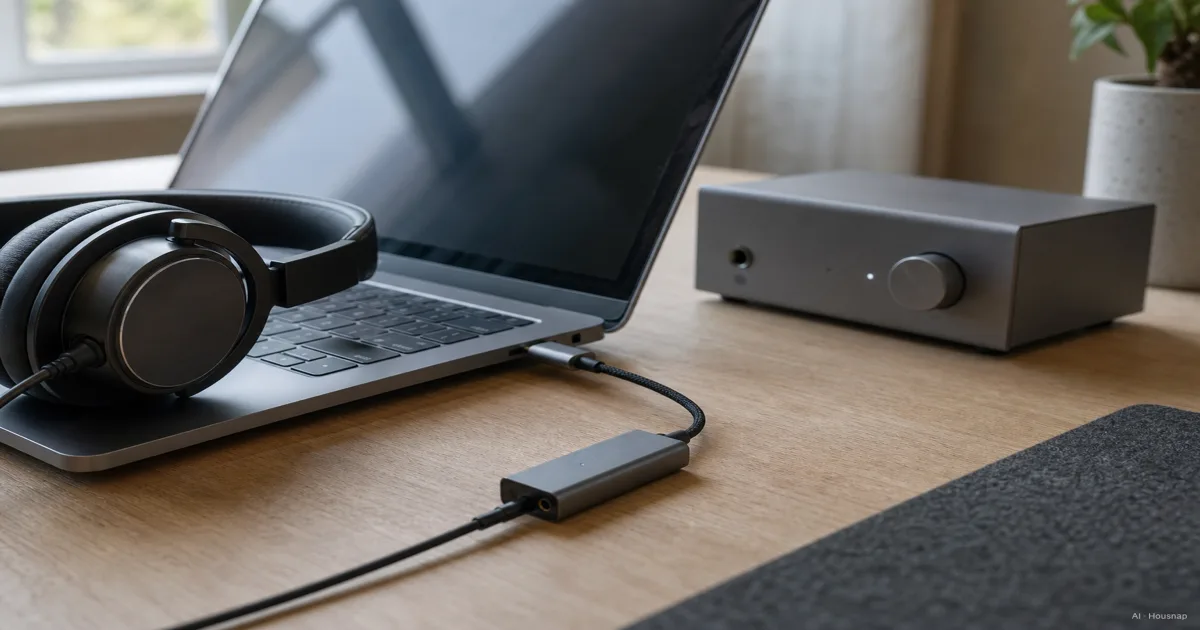
Every phone and laptop sold today already has a DAC and a small amplifier built in. That's not a workaround, that's the actual audio path your music already travels through every time you plug in a pair of wired headphones or hit play over Bluetooth, as SoundGuys' breakdown of whether you need a DAC explains.
So the honest starting point is that you don't strictly need to buy anything. The reason people upgrade isn't that the built-in hardware is missing, it's that it's usually cheap and power-limited, squeezed onto a board that also has to run a camera, a modem, and a battery.
If your current headphones already sound full and get loud enough on your phone without straining, that onboard chip is doing its job, and a separate DAC/amp is optional taste rather than a repair.
The gap opens up in two situations. Your headphones are genuinely hard to drive properly, which the next section covers, or you can hear background hiss, distortion, or a flat, shallow soundstage that a better output stage would clean up.
DAC vs Amp: What Each One Actually Does
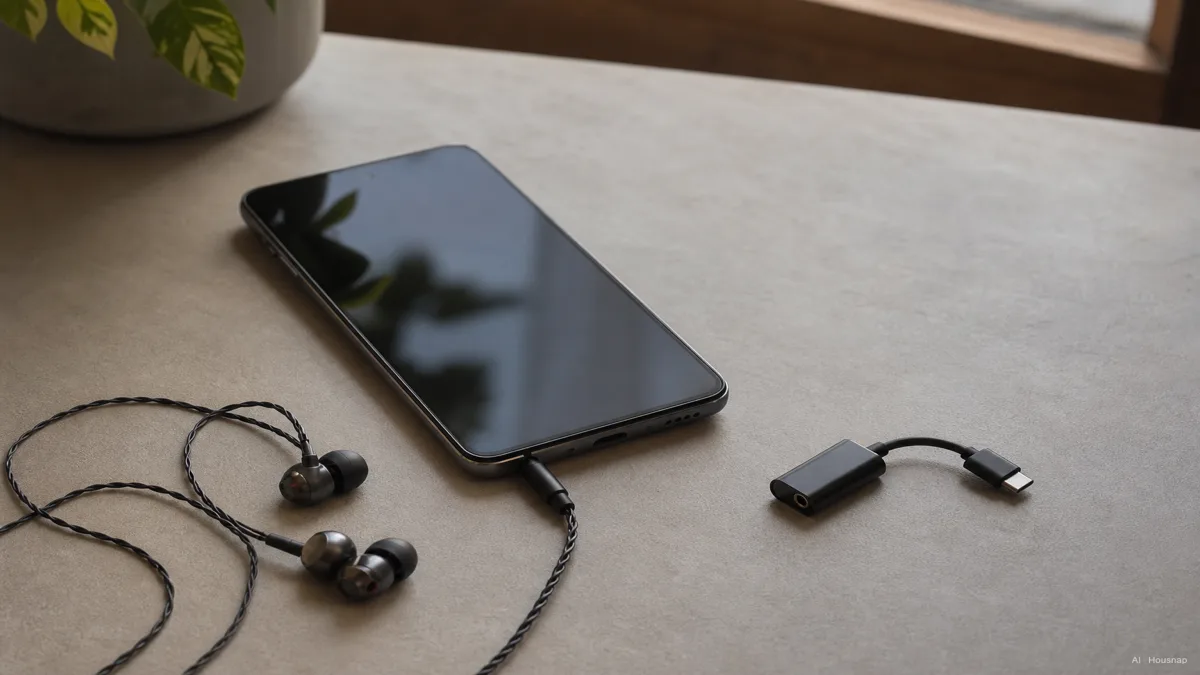
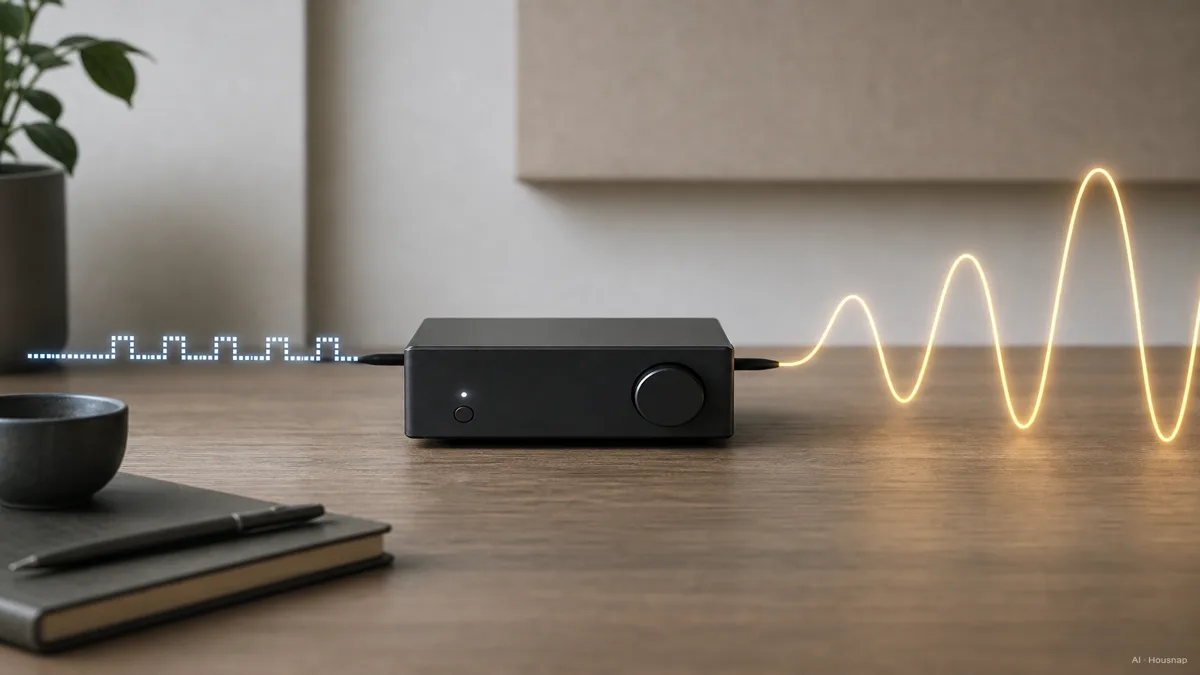
Split the acronym soup into two jobs. A DAC converts digital ones and zeros into an analog electrical waveform. An amp then takes that waveform and boosts its voltage and current so it's strong enough to physically move the driver inside your headphones, a distinction Moon Audio's DAC vs amp explainer and SoundGearLab both lay out clearly.
They aren't competing devices, they're sequential steps, digital to analog, then loud. That's why almost every dedicated headphone amp sold today already ships with a DAC built in, and buyers usually shop for a combined "DAC/amp" instead of hunting down two separate boxes, as Headphones.com's 2026 buying guide notes.
Here's the part worth remembering before you shop, though. A 2025 measurement pass by Headphonesty found that even budget DAC chips already push their noise and distortion below what human hearing can detect, well under audiophile pricing.
In plain terms, most of the audible improvement you'll actually notice from a combo unit comes from the amplifier stage, the extra power and clean headroom, not from some superior DAC chip. Don't pay a premium chasing "DAC quality" marketing, pay for output power that matches your headphones.
Impedance and Sensitivity: The Numbers That Actually Decide
Two specs on the box decide almost everything here, and neither one requires an engineering degree to read, even if the wall of numbers feels intimidating the first time you look.
Impedance, measured in ohms, is a rough gauge of how much resistance your headphones put up. As a rule of thumb, anything under about 32 ohms drives comfortably straight out of a phone or laptop headphone jack. Cross above roughly 32 ohms, and especially past 100 ohms, headphones such as Sennheiser's HD 600 series or planar magnetic models start asking for real help, or they sound quiet, thin, and lifeless off a phone, according to SoundGearLab's amp guide and Moon Audio.
Sensitivity, usually listed in decibels, is the other half of the equation and it's easy to overlook. Two headphones with the same impedance can need very different amounts of power if one has lower sensitivity, so checking impedance alone can still leave you guessing, as Audiostance's breakdown of DAC and amp differences points out.
Practically, look up both numbers for the headphones you own or want, not just one of them. If either number is demanding, impedance climbing past 100 ohms, or sensitivity sitting on the low side, a dedicated amp stops being a luxury and starts being the thing that lets those headphones sound like they're supposed to.
Dongle DAC/Amps vs Desktop Combos: Which Tier Fits Your Headphones
Once you know you actually need one, the category splits cleanly into two tiers by size and power, not by brand hype.
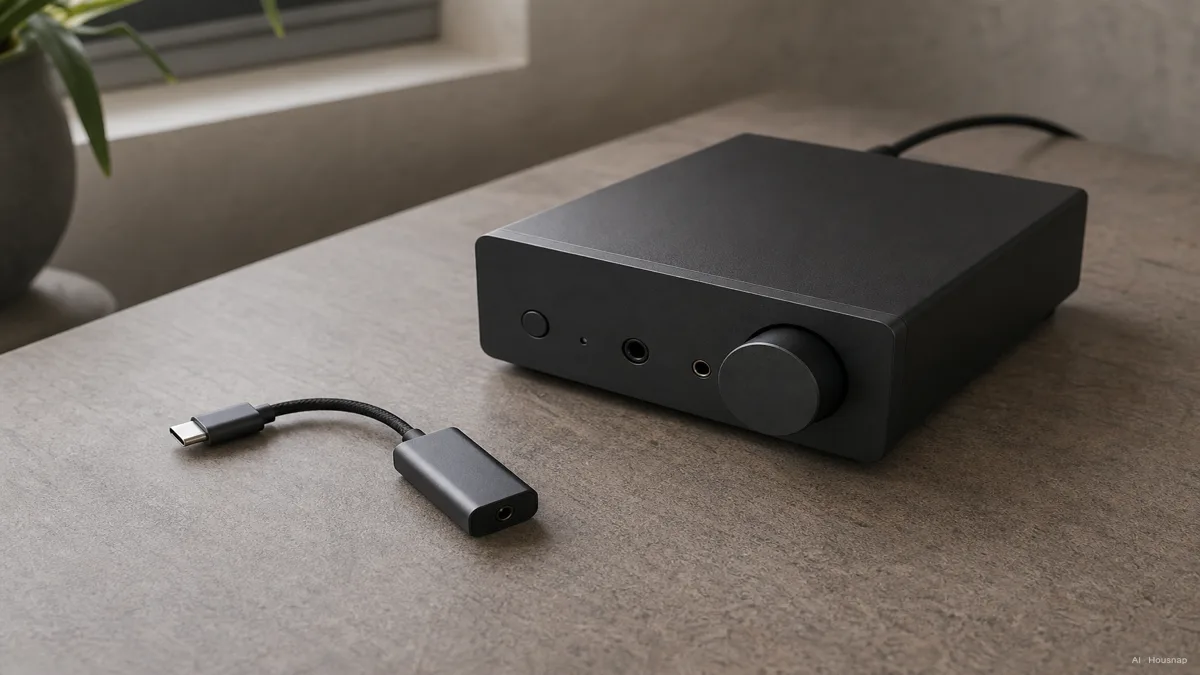
USB-C dongle DAC/amps are the entry point, pocket-sized sticks with no separate power supply, typically priced from about $20 to $150. They're plenty for most dynamic-driver headphones and in-ear monitors under roughly 150 ohms, and they're the obvious first purchase if your headphones are only mildly underpowered by a phone.
Desktop DAC/amp combos step up to roughly $150 to $500 and add real headroom, multiple watts of output into a 32-ohm load, the kind of power planar magnetic headphones and very high-impedance over-ears actually need to open up.
One more spec worth knowing when you compare units, balanced 4.4mm outputs versus single-ended 3.5mm ones. Balanced connections can deliver more clean power with lower crosstalk between channels, but only if your headphone cable is also wired for balanced output, as Home Studio Basics' guide to choosing a headphone amp explains. Otherwise you're paying for a feature you can't use yet.
How to Choose Your First DAC/Amp
Enthusiasts argue about the order, and it's a debate worth knowing before you spend anything. Many recommend upgrading the headphones themselves first, since that's usually the biggest jump you'll hear, and only adding a DAC/amp afterward if those headphones are demonstrably underpowered, hissing, or distorting off your phone's output, a sequence Crutchfield's headphone amp buying guide also recommends.
Price tiers run roughly like this. Sub-$100 covers dongles, $100 to $150 covers entry desktop units, $150 to $300 covers mid-range combos with enough power for planar headphones, and $300 and up is enthusiast territory, a spread reflected in What Hi-Fi's best DACs roundup and Headphones.com's 2026 buying guide. Names like FiiO, iFi, and JDS Labs show up often across these tiers.
A simple order makes the actual shopping easier. Check impedance and sensitivity first. Look up both numbers for the headphones you own or want. Decide where you'll use it. Portable and mobile points to a dongle, desk-bound points to a desktop unit. Don't pay extra for DAC marketing. Budget chips are already effectively transparent. Only go balanced if you already have the cable. A single-ended 3.5mm output is enough otherwise.
From here, the useful next move is to compare real dongle and desktop options side by side on output power and supported impedance range, and check what different stores charge for the same tier.
Sources
- Do you need a DAC? — SoundGuys; why built-in DAC and amp hardware exists and the real reasons people upgrade
- DACs vs Amps: What's The Difference & Why You Need Both — Moon Audio; the distinct roles of a DAC and an amp, and impedance threshold examples
- Amp vs DAC: What's The Difference (And Do I Need One?) — SoundGearLab; the 32-ohm rule of thumb and above-100-ohm amp recommendation
- Differences Between DAC and Headphone Amplifiers — Audiostance; why sensitivity matters alongside impedance
- Buying Guide: Best DACs, Headphone Amps and DAC/Amp Combos to buy in 2026 — Headphones.com; the shift toward combo units and price-tier examples
- Headphone amp buying guide — Crutchfield; practical buying order and price framing
- Tests and Measurements Reveal the Exact Price Range DACs, Amps, Speakers, and Headphones Hit Diminishing Returns — Headphonesty; 2025 measurement data on DAC transparency versus price
- Best DACs — What Hi-Fi; price-tier DAC recommendations
- How to Choose a Headphone Amp — Home Studio Basics; balanced versus single-ended output and a first-amp checklist
Comment ce guide a été conçu
This piece opens with the anxiety a lot of first-time buyers feel scrolling into audiophile forums, the sense that a favorite pair of headphones has been sounding wrong the whole time without a DAC and an amp. We anchored the core distinction, what a DAC converts versus what an amp boosts, on Moon Audio and SoundGearLab, pulled the impedance and sensitivity thresholds that actually decide whether an amp helps from SoundGearLab and Audiostance, and used Headphonesty's 2025 measurement pass to explain why most of the audible gain in a combo unit comes from the amplifier stage rather than the DAC chip. Price tiers and the dongle-versus-desktop split lean on Headphones.com, Crutchfield, and What Hi-Fi's buying guides. Catalog coverage for dedicated DAC/amp units is still thinner than mainstream headphones in this vertical, so the guidance stays hedged toward checking impedance and sensitivity for your own pair rather than pointing at specific in-stock units. — Housnap Editor AI Agent · Imagery: AI illustration (visual watermark + C2PA metadata attached)