Your First Drawer Organizer, How to Measure, Pick a Material, and Avoid a Return
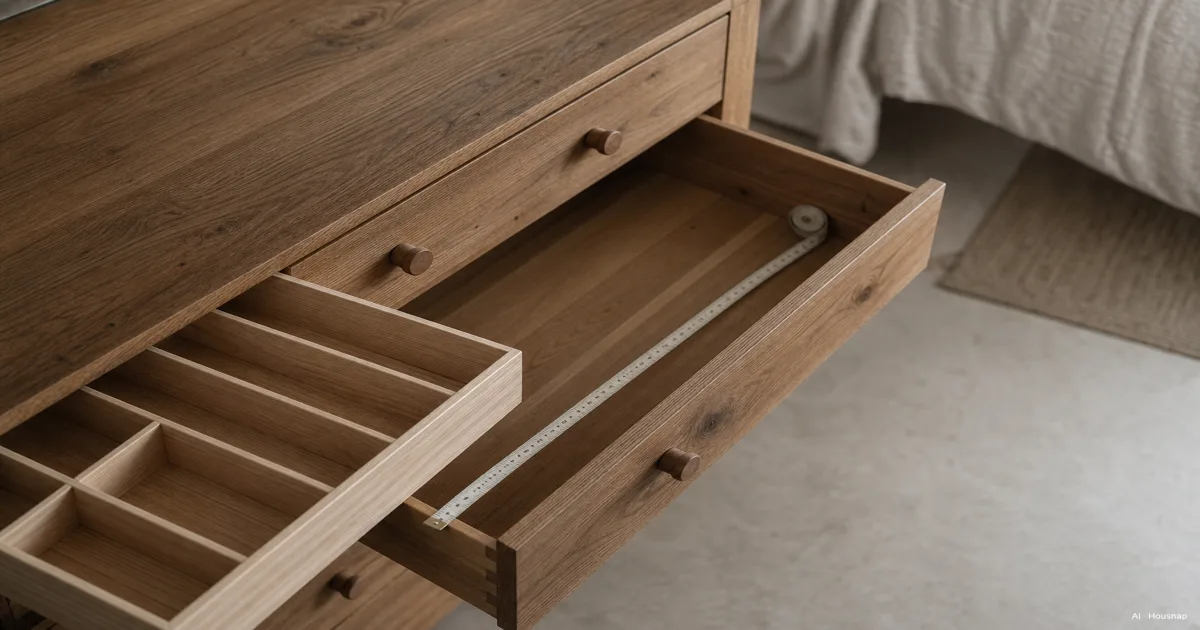
You measure the drawer front, order a set of trays that look about right, and two weeks later you are re-boxing them for a return. This happens constantly, and it is rarely the organizer's fault. Drawer organizers fail buyers most often because the number that matters, the drawer's true interior volume, never got measured in the first place. A drawer's exterior dimensions and its usable interior space are not the same thing. Slides, a raised or false bottom, and even a wobble in the drawer box itself can eat an inch or more before you ever set a tray inside. Getting this step right, with a tape measure inside the drawer rather than a guess from across the room, is the single biggest predictor of whether your first purchase actually fits. Once the size is settled, the decision opens up into material and mechanism. Bamboo, acrylic, and plastic each handle moisture, weight, and daily wear differently, and a kitchen drawer has different needs than a bathroom vanity or a dresser. Fixed trays, spring-loaded adjustable dividers, and modular mix-and-match systems each suit a different kind of drawer and a different kind of person. This guide walks through measuring first, then material, then mechanism, then a quick room-by-room pass, so your first drawer organizer is the last one you buy for that spot.
Disponibles ahora en una sola tienda
Por ahora, cada uno de estos productos está disponible en una sola tienda. La comparación de precios se abrirá con más tiendas.

How to Measure Your Drawer Before You Buy
Over 68 percent of returned drawer organizers fail for one reason that has nothing to do with the product itself, the buyer skipped precise measurement of the drawer before ordering, according to Homes & Gardens' measurement guide. That is a striking number for a problem that a five-minute check can prevent.
The mistake usually starts with measuring the wrong thing. A drawer's exterior size, the number you would get from measuring the front panel or the cabinet opening, is not the same as its usable interior volume. Slides and rails mounted along the sides can narrow the true interior width. A false bottom, common in kitchen drawers with soft-close mechanisms, can shave off real depth or height that never shows up if you only look at the drawer from outside. The Container Store's Ultimate Guide to Drawer Organization is direct about this, prioritize the interior volume every time, not the nominal size printed anywhere.
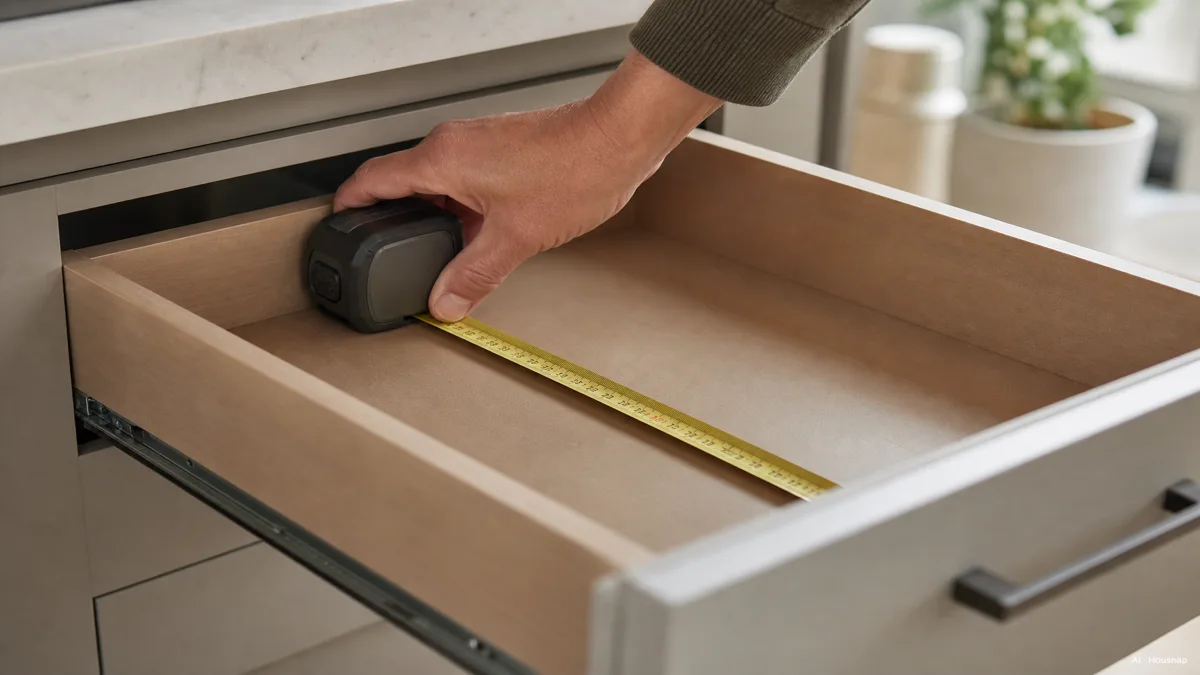
Once you are measuring the right space, precision matters more than it sounds like it should. Record width, depth, and height to the fraction of an inch, not just the nearest inch. An eighth of an inch can be the difference between a tray that locks in place and one that shifts every time you open the drawer.
Here is a trick worth knowing before you grab a tape measure. Most tape measure housings have a width printed on the case itself, often somewhere between two and three inches. Press that housing flush against the back wall of the drawer, extend the tape to the front edge, then add the housing's printed width to whatever the tape reads. That gives you a precise interior measurement without needing a second person to hold the far end steady.
For a size reference point, The Container Store's original Everything trays run 2 inches tall in 3-inch size increments, from about 3x3 inches up to 6x15 inches, while the Deep Everything line runs 3.25 inches tall in 2-inch increments, from 4x4 inches up to 6x12 inches, according to Container Stories' user's guide to the Everything line. Those increments are a useful mental yardstick even if you end up buying a different brand, since most modular tray systems follow a similar logic.
Choosing the Right Material: Bamboo vs Acrylic vs Plastic
Material decides more of your day-to-day experience than most buyers expect, mostly because each option handles moisture and wear differently.
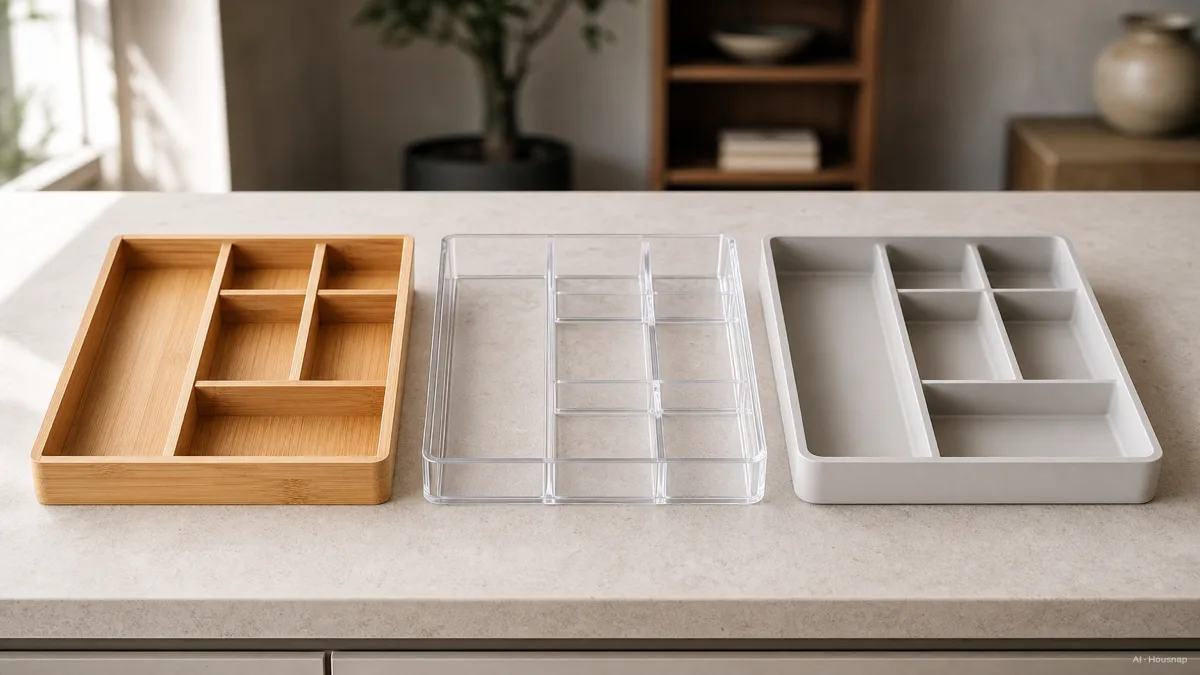
Bamboo is renewable and biodegradable, and it holds up well under normal weight and daily use, according to comparisons from Experts in Vacuum. The tradeoff shows up in sustained high humidity, bamboo can expand slightly or warp over time in a steamy bathroom or a kitchen near a dishwasher vent. It fits best in bedroom dressers and kitchen drawers away from direct water exposure.
Acrylic is non-porous, which makes it the strongest pick for high-humidity spots like bathroom vanities or under-sink cabinets. It resists staining from cosmetics, oils, and makeup residue, and because it is clear or translucent, you can see the contents at a glance without opening every compartment. The downside is that acrylic scratches faster than bamboo or plastic under heavy daily use, so it is a better fit for lighter contents like jewelry or toiletries than for cutlery you are sliding in and out several times a day.
Plastic is generally the most affordable option and the easiest to clean, and it performs best in cold environments, refrigerator and freezer organizers are almost always plastic for exactly this reason. It is also the most common material for adjustable and expandable formats, since molded plastic dividers are cheaper to manufacture in the spring-loaded mechanisms covered next.
Fixed Trays vs Adjustable Spring-Loaded Dividers vs Modular Systems
Beyond material, the mechanism decides how much flexibility you get after the purchase.
Fixed-compartment trays have set sections built into the mold, and they suit a stable, specific use that is not going to change, cutlery organization, a jewelry tray, a set of bathroom drawer inserts sized to your actual products. Because the compartments never move, they tend to hold their shape and stay put better than adjustable options over years of use.
Spring-loaded adjustable dividers are the dominant no-tools mechanism for anyone who wants flexibility. The setup is simple, compress the spring, drop the divider into the drawer at the width you want, then release it so it locks against the drawer walls under tension. The Kitchn's testing of adjustable drawer dividers found that bamboo dividers commonly range from about 18 to 22.25 inches of expandable length, sized to fit most standard kitchen drawer widths without any cutting or hardware.
Modular or mix-and-match systems, where you buy individual tray pieces in different sizes and combine them to fill the drawer, suit two situations well, irregularly shaped drawers that a single fixed tray will never fit cleanly, and storage needs that keep changing as your kitchen tools, office supplies, or wardrobe accessories shift over time. The 3-inch and 2-inch increments mentioned earlier exist specifically to make this kind of mixing possible.
If your drawer holds one stable category of items and its shape is a standard rectangle, a fixed tray is usually the simpler, longer-lasting choice. If the drawer is an odd shape, or you expect what goes in it to change, adjustable or modular is worth the extra setup.
Best Organizer Types by Room: Kitchen, Bathroom, Bedroom and Dresser
Kitchen. Cutlery and utensil drawers benefit most from either a fixed tray sized to your actual flatware set or spring-loaded bamboo dividers that can flex as your utensil collection grows. Deep drawers used for pots, lids, or bulk utensils do better with a modular system, since pot lids and oddly shaped tools rarely fit a single fixed mold.
Bathroom. Humidity is the deciding factor here. Acrylic is the strongest pick for vanity drawers near a sink or shower, since it will not warp or absorb moisture the way bamboo can over months of daily steam exposure. Smaller acrylic trays also make it easy to see where the sunscreen or the nail clippers are without digging.
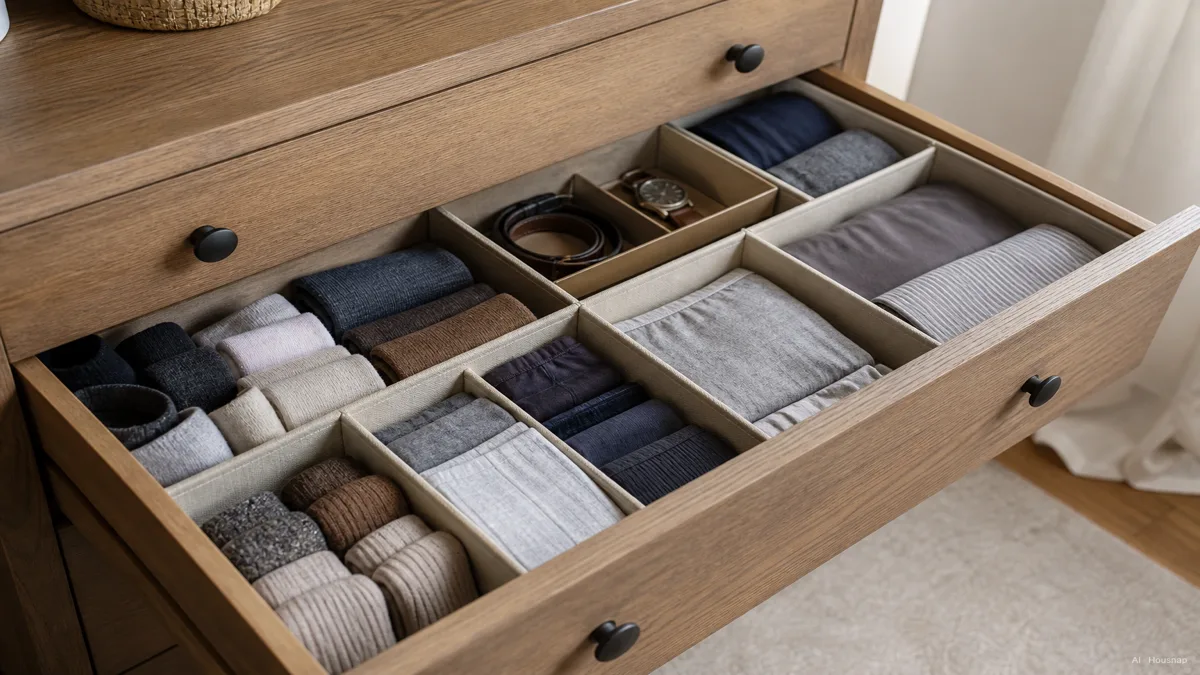
Bedroom and dresser. This is bamboo's best environment, dry, stable temperature, and moderate weight from folded clothing, socks, and accessories rather than heavy daily impact. A jewelry-specific fixed tray with felt-lined compartments is worth the extra cost if you are organizing anything delicate, while a modular sock-and-underwear system handles everything else.
Features Worth Paying For: Non-Slip Bottoms, Stackable Trays, Waterproofing
A few upgrade features come up repeatedly in buying guides as worth prioritizing over a basic flat tray, even at a slightly higher price.
Non-slip bottoms. A tray or divider with a rubberized or textured base stays in place when the drawer opens and closes quickly, instead of sliding forward and jamming against the drawer front. This matters most in kitchen drawers that get opened dozens of times a day.
Stackable trays. In a deep drawer, a stackable design lets you add a second layer once the base layer is set up, effectively doubling storage without needing a taller single tray that might not clear the drawer slides when it opens.
Waterproofing or water resistance. For bathroom and kitchen drawers specifically, a tray that can handle an occasional splash or spill without warping or staining saves you from replacing the organizer after the first accident, a small feature that pays for itself the first time a bottle leaks.
None of these features fix a bad measurement. Get the interior dimensions right first, choose the material for the room's humidity and use pattern, then look for these extras to round out the pick.
Sources
- How to measure for drawer organizers, my simple method — Homes & Gardens; the 68 percent return-rate finding and the interior-versus-exterior measurement distinction
- Our Ultimate Guide to Drawer Organization — The Container Store; interior volume prioritization and fraction-of-an-inch precision guidance
- User's Guide to Our Everything Drawer Organizers — Container Stories; Everything and Deep Everything tray size increments as a sizing reference
- The Best Adjustable Drawer Dividers, Tested & Photos — The Kitchn; tested bamboo divider expandable length ranges and spring-loaded mechanism
- Acrylic vs. Bamboo, Which Drawer Organizer Material Wins — Experts in Vacuum; material comparison for humidity, staining, and scratch resistance
Cómo se elaboró esta guía
This piece started from a simple, costly mistake, a first-time drawer organizer buyer measures the drawer front, orders trays that look right, and ends up returning them because the drawer's true interior volume was never actually measured. We anchored the return-rate finding and the interior-versus-exterior measurement distinction on Homes & Gardens' measurement guide and The Container Store's own buying guide, pulled concrete sizing references from Container Stories' Everything tray line and The Kitchn's tested bamboo divider measurements, and used Experts in Vacuum's material comparison to ground the bamboo, acrylic, and plastic tradeoffs in how each holds up against humidity and daily wear rather than marketing claims. This is the first topic in the storage-organization cluster for housnap, so the sequencing, measure first, then material, then mechanism, then room-by-room, is meant to set the tone for organizer topics that follow.